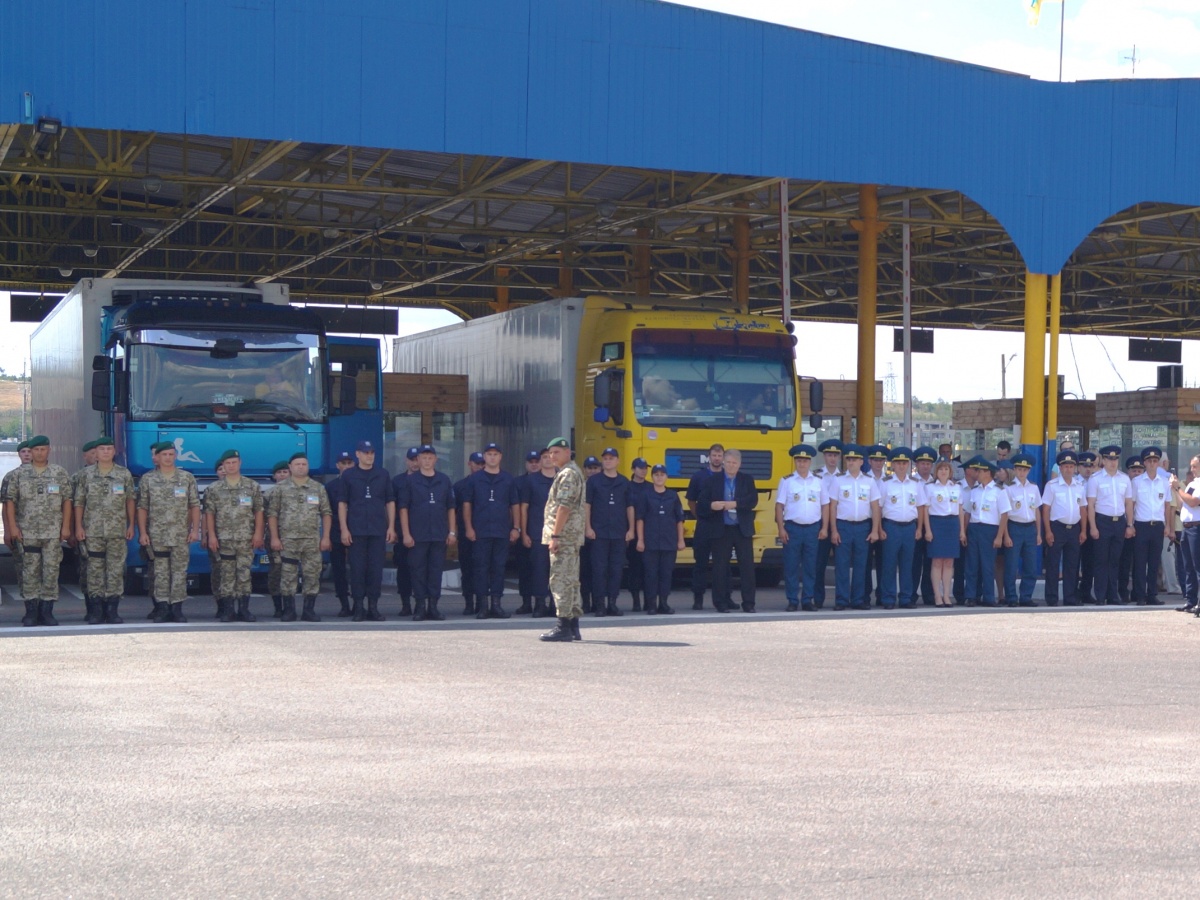
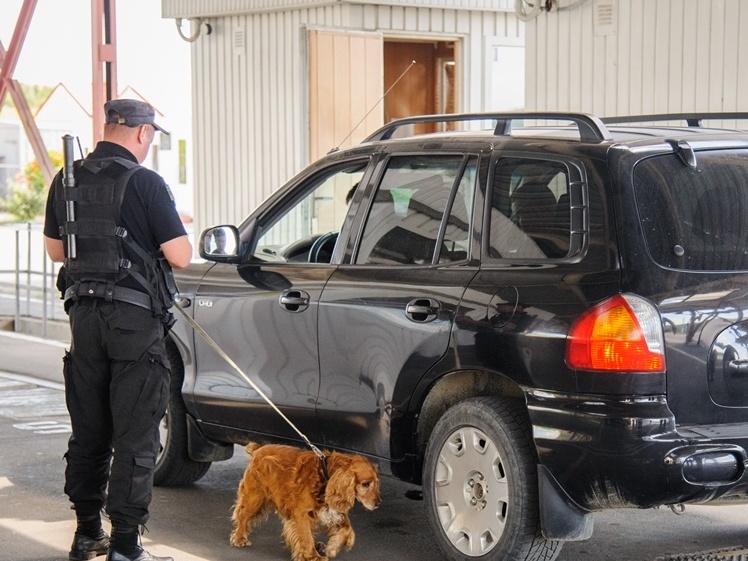
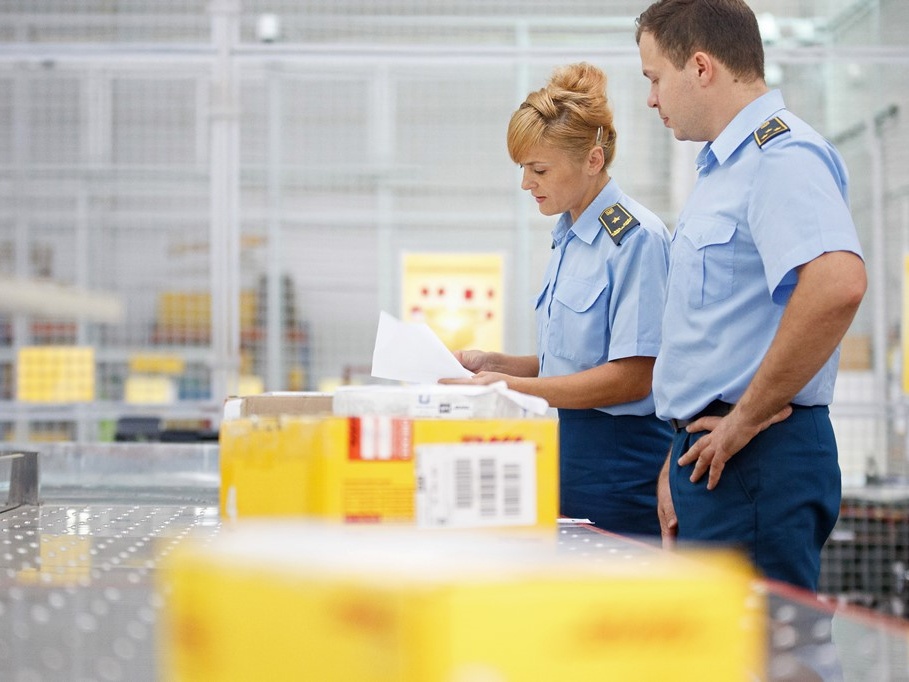
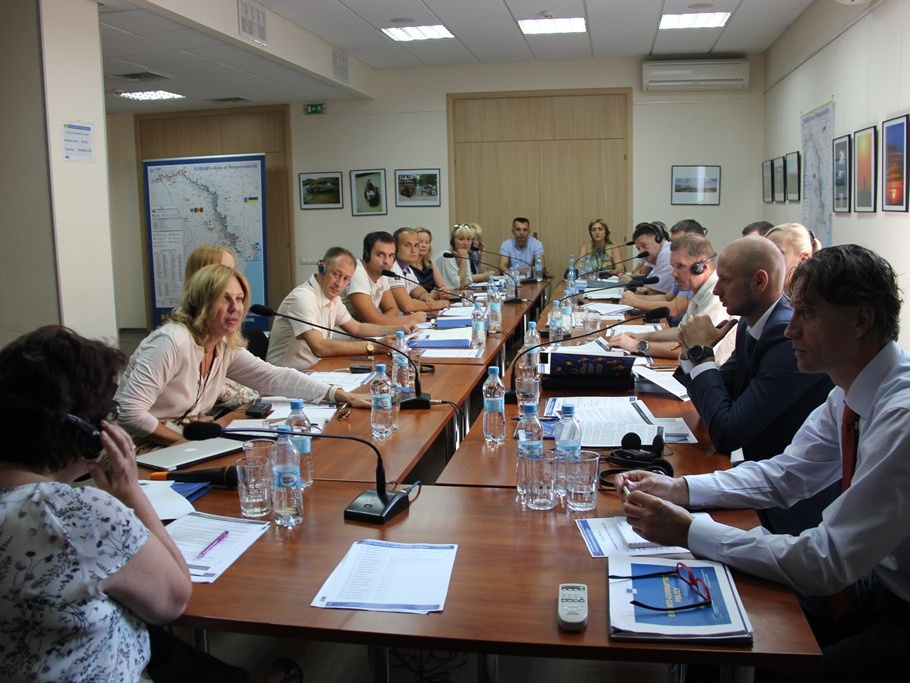
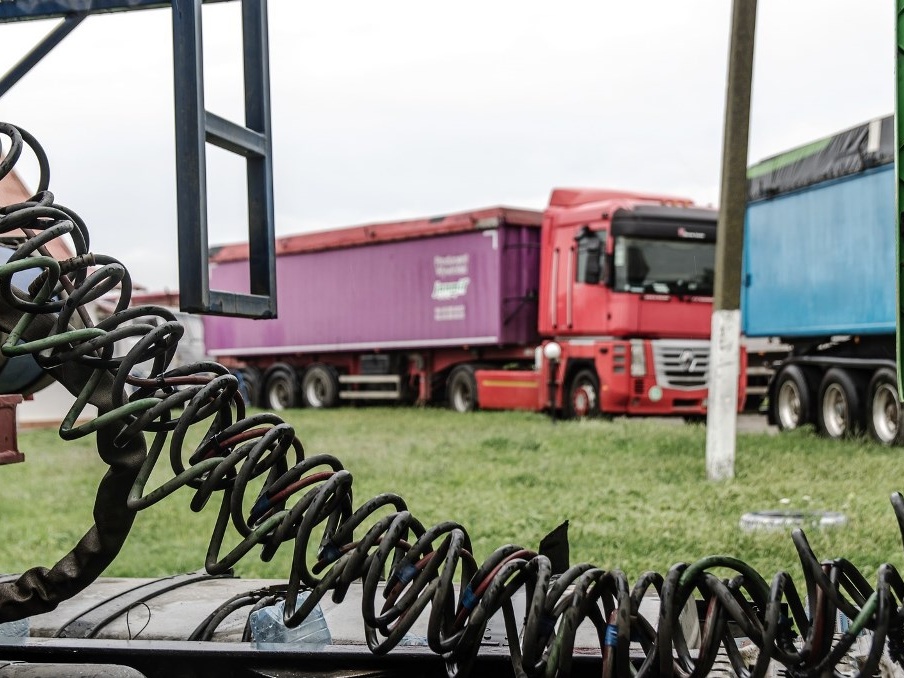
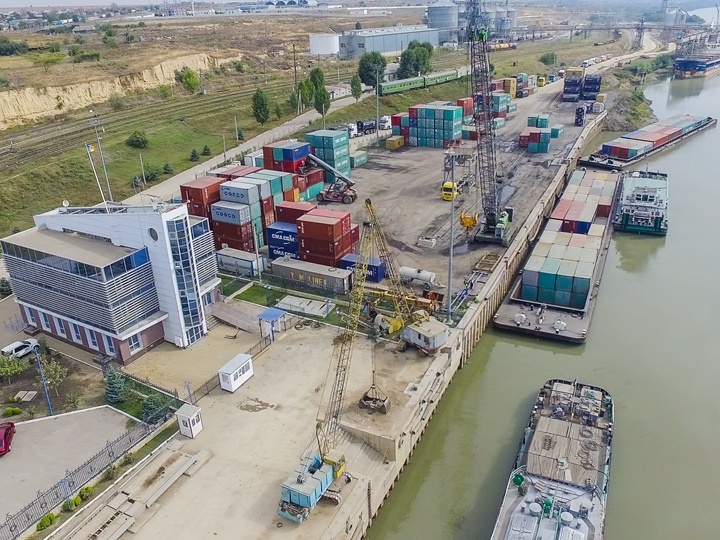
A photo overview of the work of the Mission and its Moldovan and Ukrainian partners in September 2017.
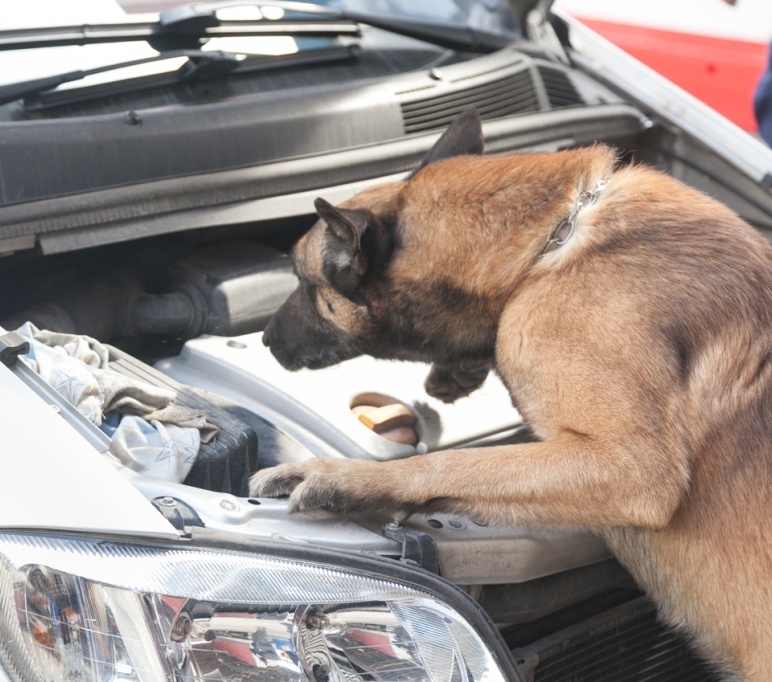
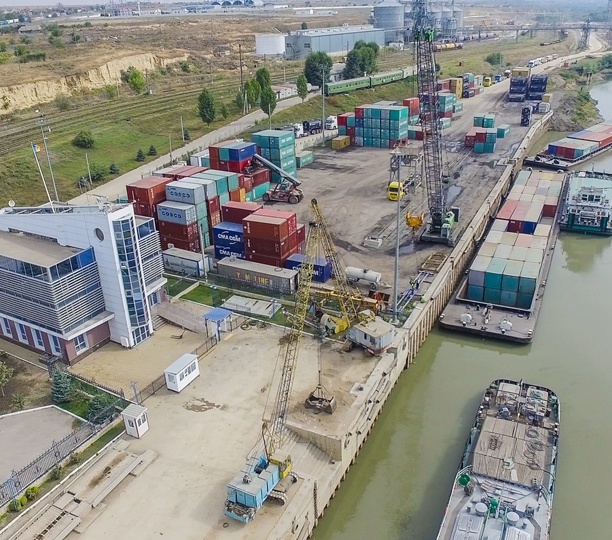
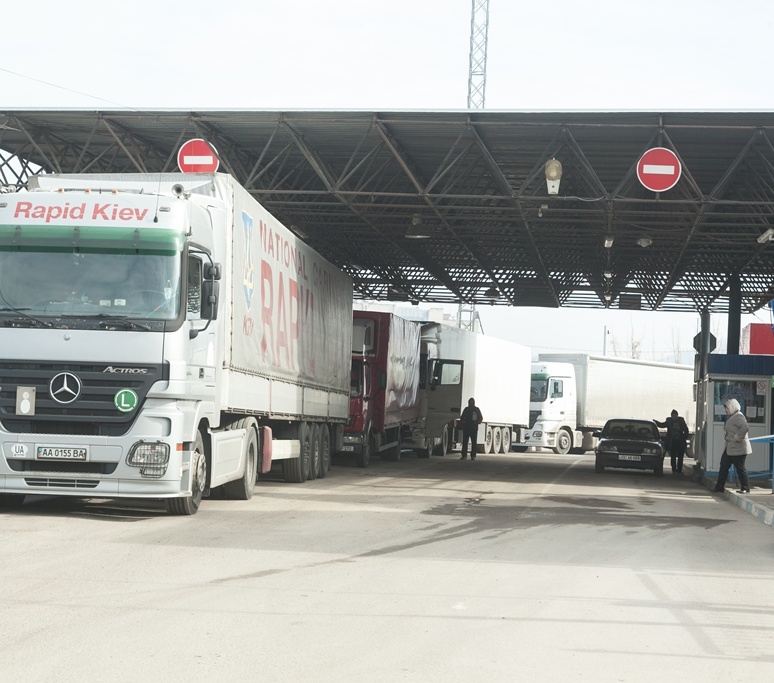
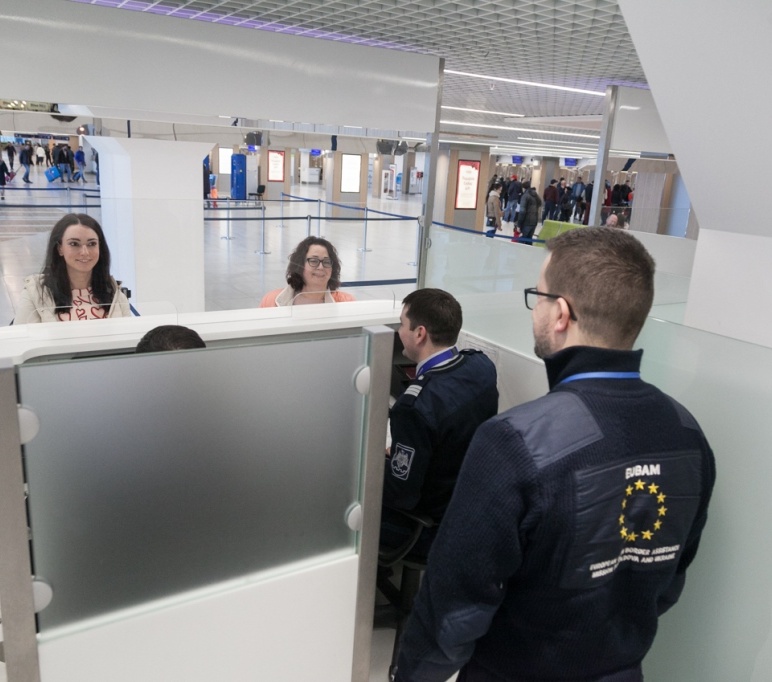
A photo overview of the work of the Mission and its Moldovan and Ukrainian partners in September 2017.
The European Union’s Border Assistance Mission to Moldova and Ukraine (EUBAM) and the UK’s Fiscal Crime Liaison Office ensured Moldova’s Customs and Border Police Officers’ skills and technical abilities to profile and control containers entering and leaving the country were strengthened these weeks. Two workshops, conducted in Chisinau on 20-22 September and in Cahul on 26-28 September, guided officers on risk indicators, container tracking, scanning of containers/lorries and interpretation of scanned images, protection of intellectual property rights and vessel rummaging. Classroom-based teaching was blended with practical exercises to ensure knowledge transfer.
The high volume of maritime trade conducted using containers and the ability to conceal illicit cargo within them, from drugs to counterfeit goods, makes their profiling and control by Customs Officers an essential component in the fight against cross-border crime.
Participants were also briefed on the importance of inter-agency and international cooperation, with mutual assistance and information exchange mechanisms explained. Working visits to Internal Customs Posts at Industriala, Giurgiulesti-Galati Border Crossing Point and Giurgiulesti International Free Port were also undertaken, where practical aspects of containers’ control were identified and discussed.
Moldova’s Food Safety Agency (ANSA) showcased their new examination, testing and sampling facility during the second Giurgiulesti Port Users Forum, which took place on 22 September. The facility, located within the Giurgiulesti-Galati road border crossing point, just a short distance from the port, allows testing and analysis of veterinary and phytosanitary products on a 24/7 basis. In 2016, over 430,000 tons of food and agricultural products passed through the port. The treatment of animals whilst being transported to the port for export, during unloading from vehicles and loading on to vessels was discussed, together with the development of new technological norms which should incorporate new recommendations from the International Maritime Organisation’s FAL Convention.
The Giurgiulesti International Free Port Users Forum was created to catalyse the implementation of the recommendations stemming from the joint EUBAM-Moldovan Customs Service study on the Customs procedures at the port, launched in May 2017. It brought together representatives from all the border services, the Harbour Master, shipping companies and the port’s owner/operator, and has been designed to address day-to-day practical, local, operational, logistical and administrative issues between all relevant stakeholders. The Forum’s next meeting is scheduled to take place in November.
Representatives of border and police agencies met in Odesa on 19-20 September with business and legal representatives to improve co-operation in enforcing intellectual property rights (IPR) in Moldova and Ukraine. Participants agreed that the legal loopholes constraining the detection, seizure and destruction of counterfeit and pirated goods needed immediate action.
EUBAM proposed a series of amendments to Ukraine’s Customs Code in 2017 to better protect IPR. These were based on the findings of joint operations, during which discrepancies in the legislation and working procedures of Ukraine’s State Fiscal Service with EU regulations and best practice were observed. Their adoption remains pending parliamentary approval.
IPR violations continue to pose a significant risk to the security and economies of both Ukraine and Moldova, with lost business for local companies and reduced tax revenue for the Governments.
The discussions took place in the 8th EUBAM-led Working Group meeting on Protecting Intellectual Property Rights. The meeting was attended by Ukraine’s State Fiscal Service and National Police, Moldova’s Customs Service and its State Agency on Intellectual Property. Ukrainian law firm Pakharenko & Partners, along with the SYNGENTA Corporation also took part.
EUBAM actively supports more robust legislation and means to effectively detect, seize and destroy counterfeit and pirated goods as part of its efforts to combat cross-border organised crime.
EUBAM congratulates its Customs Advisor, Galja Pavlova, on receiving the First Class Service Medal from the Customs Service of the Republic of Moldova. Galja received the award from its Director General, Vitalie Vrabie, at an official ceremony on 4 September.
The Medal was awarded for her support to the drafting of the country’s new Customs Code, which is aligned with that of the European Union. The new Code was an essential obligation Moldova undertook as part of its Association Agreement, signed with the EU in 2014.
Galja recalls that “the process was very intense. In December 2016 we started from the very beginning and completed the work in just five months. People assume the EU’s Customs Code can just be copy and pasted, but alignment does not necessarily mean assimilation. There were some fundamental differences in definitions and procedures we had to overcome. But I’m proud to say that the new draft Customs Code is fully compatible with EU customs standards.”
The Head of EUBAM, Ambassador Andrew Tesoriere, commented: “We in EUBAM are all very proud of Galja’s thoroughly deserved public recognition and her outstanding contribution to the work of Moldova’s Customs Service”.
The award was the culmination of nine years Galja has spent advising Moldova’s Customs Service, having previously supported them in different customs domains, including Customs procedures, valuation and classification of goods, mobile units, international joint operations and internal organisation. Prior to working for EUBAM, she served 27 years with Bulgaria’s National Customs Administration.
EUBAM supports both Moldova and Ukraine in the practical application of the trade and customs provisions that are part of both countries Association Agreements with the EU. This includes advising on legal alignment, recommending procedural changes and advising on the issuance of import/export certificates.
A photo review of the work of the Mission conducted in August 2017 together with its Moldovan and Ukrainian partners.
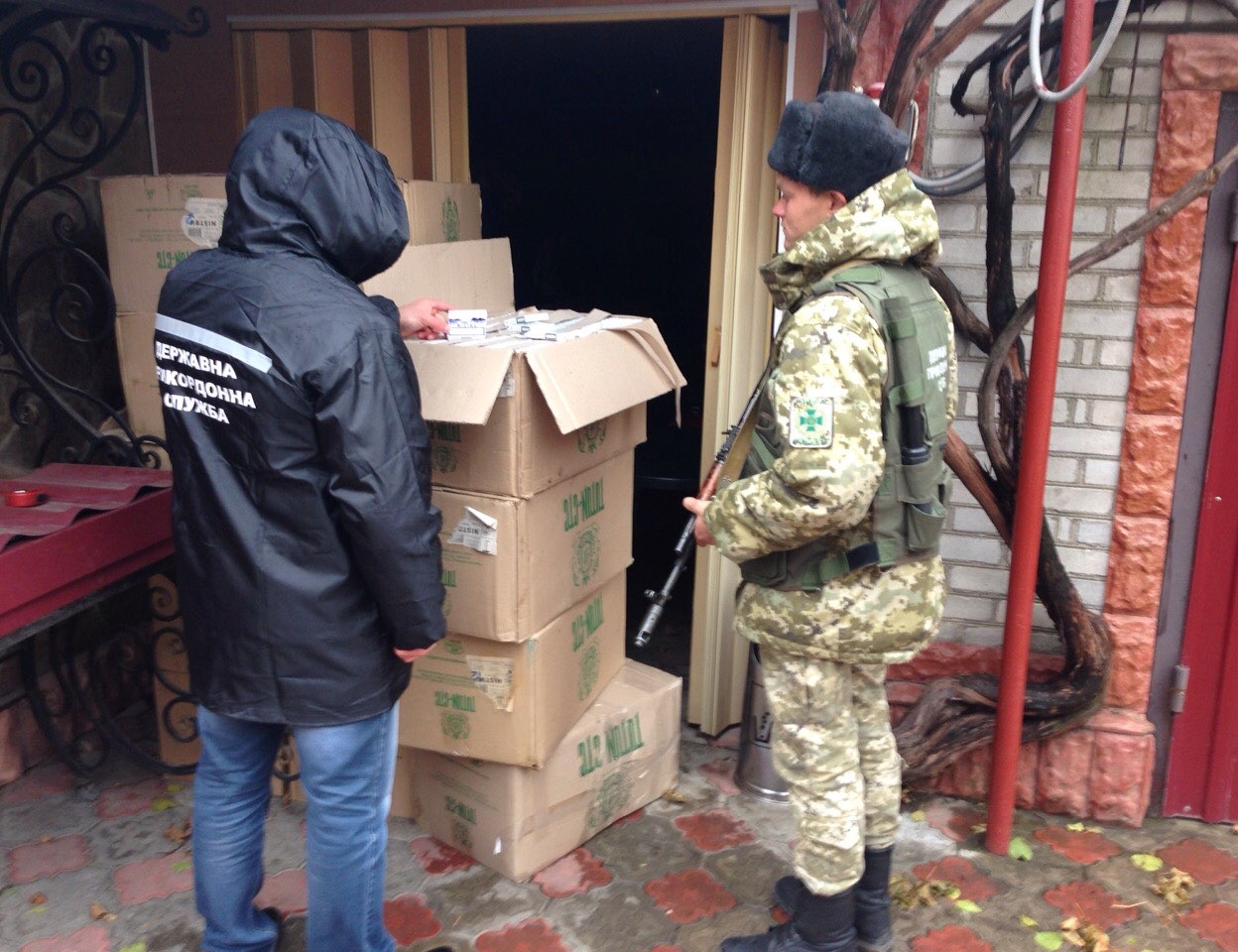
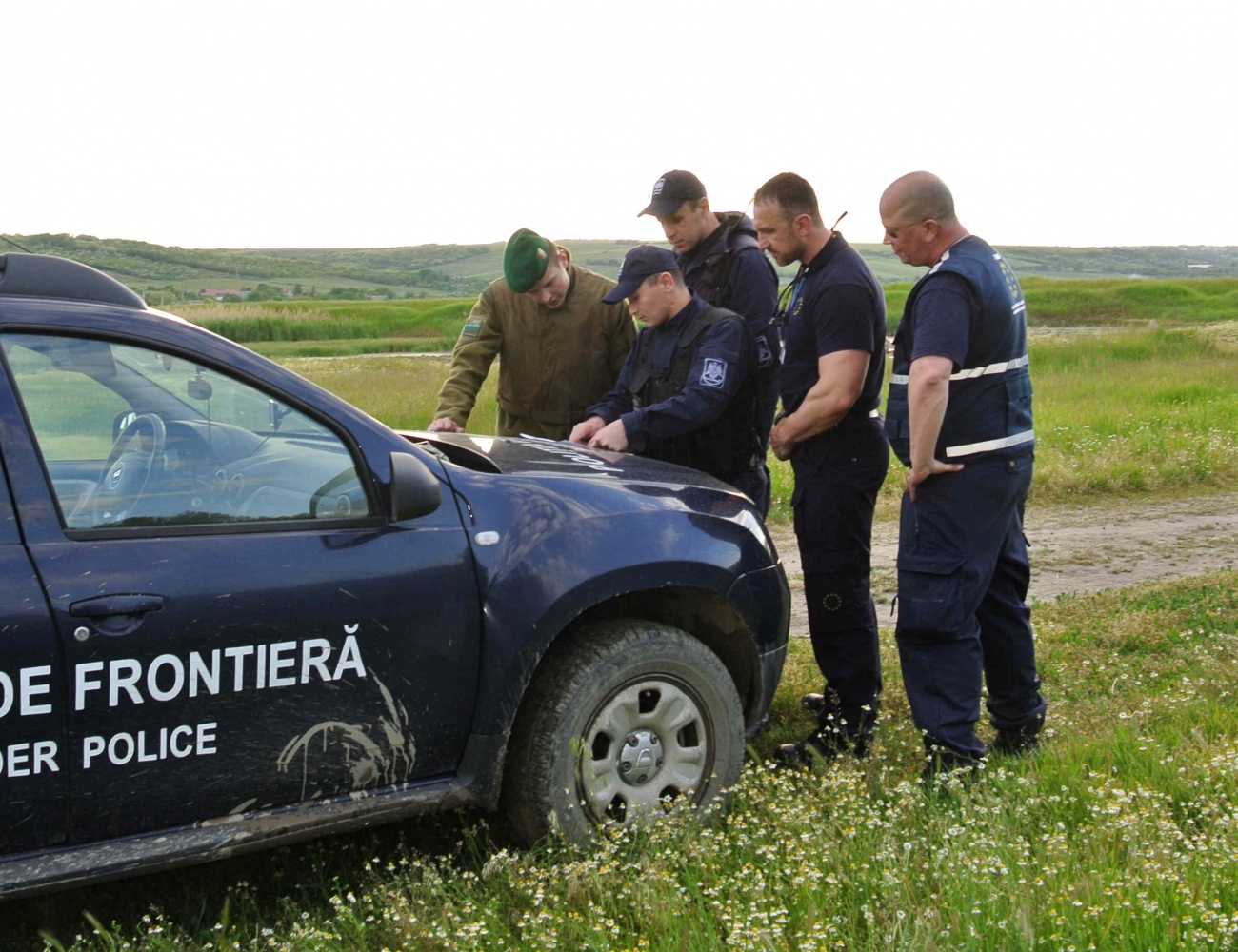
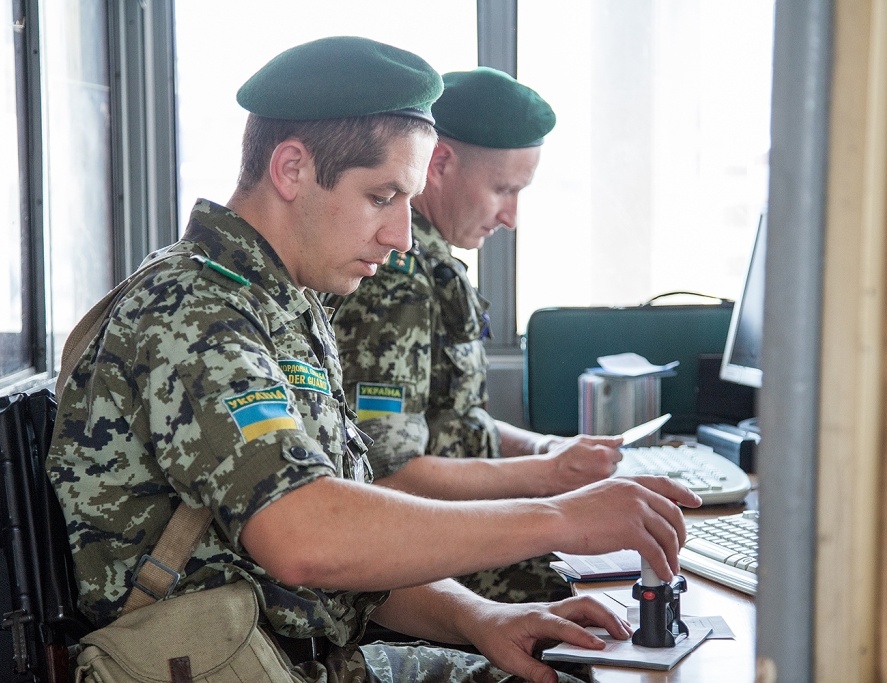
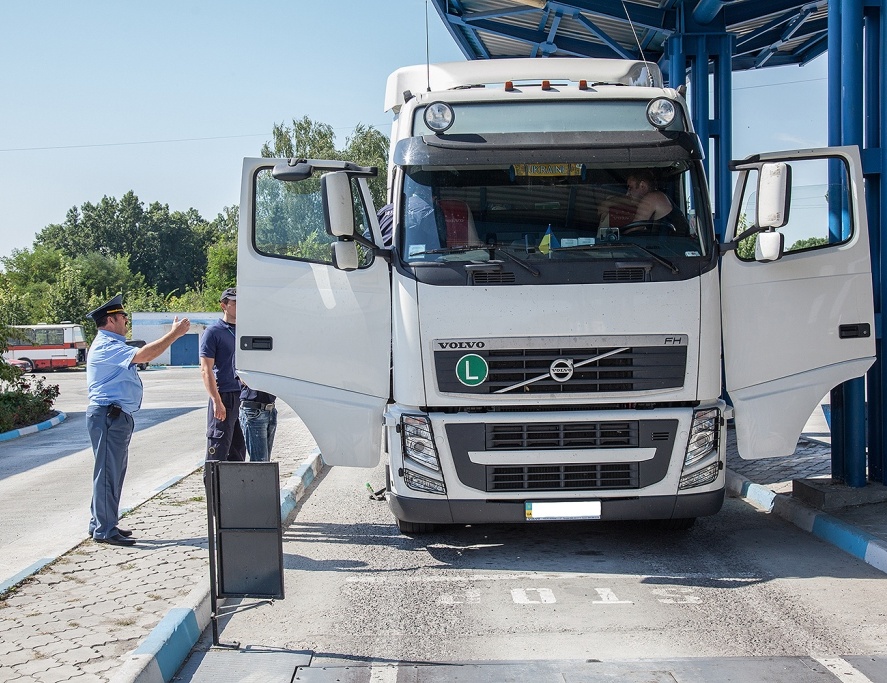
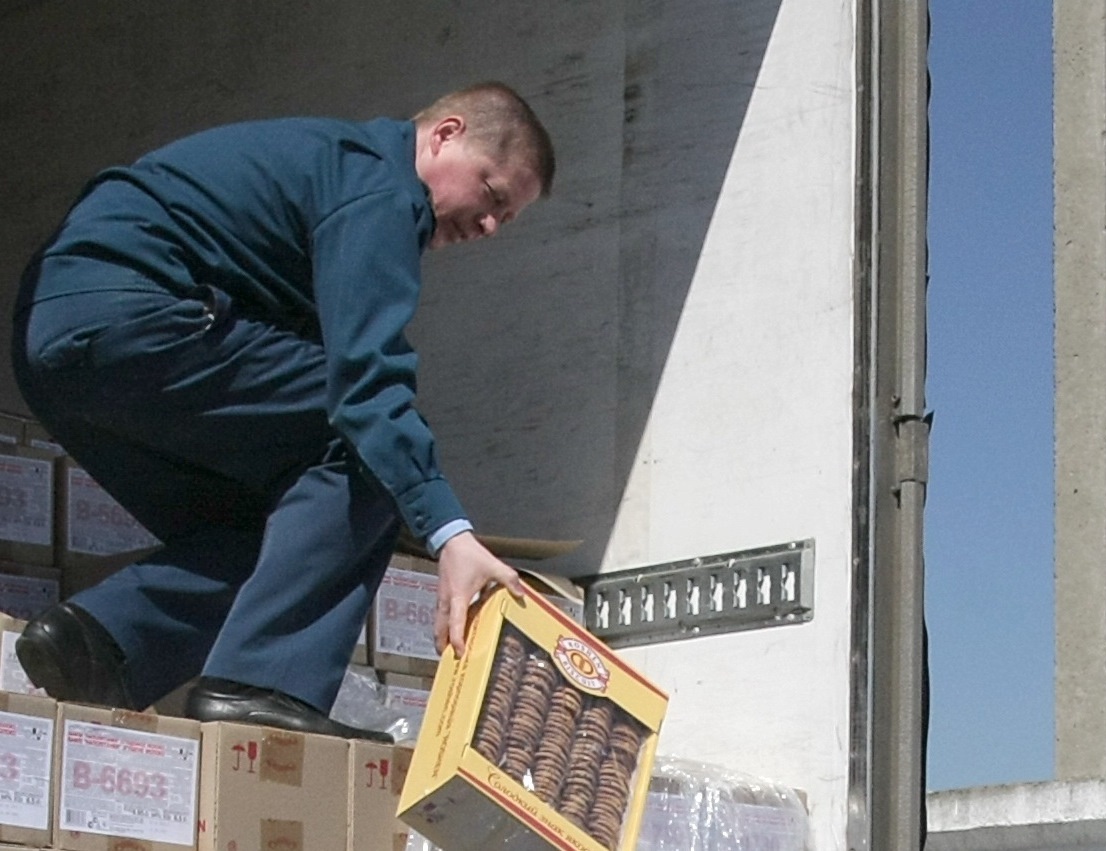
I’m like an interface, a mediator between two parties and a lot depends on me as to how effectively EUBAM and its Ukrainian partners communicate with one another. Of course, that puts a lot of responsibility on me, especially when the Mission’s experts have to address more problematic issues with our partners. But I try to make sure both sides feel satisfied and get a result.
It’s been over eight years since I started working for EUBAM. The relationship between the Mission and its partners has been one of the biggest changes. At the beginning, the Mission’s experts were seen as strangers at the border, just there to highlight mistakes. It was very tough. But over the years the atmosphere has changed, and they have come to value our support. That’s not just down to good experts, it’s also about clear and effective communication.
To work with different specialists from different countries representing different agencies is a fascinating experience. You need a lot of psychological flexibility. If you are working with a Border Police expert, you start to think as they do: you try to understand the logic of an investigation; try to understand the context; and you try to look at details as they do. Then it’s a similar process the next day if I’m deployed with a Customs expert. Only in that way can I accurately reflect what the Mission’s experts are trying to convey.
This job is all about professional development. Laws, procedures and techniques are constantly changing. For me, that means a lot of reading; keeping ahead of terminology and updating myself on new developments. It keeps me fit and sharp.
I was born and still live close to the border, so I know a lot of people in my town who have family members on the Moldovan side. For them, quick and efficient border crossing is important to keep their families together. It’s motivating to know I contribute to that.
On August 23, the Government of Ukraine approved the Strategy for Preventing Illicit Tobacco Goods Production and Turnover. EUBAM welcomes this important development. The Strategy sets out measures to enhance Ukraine’s legislation, operational capacity and infrastructure for law enforcement agencies to effectively detect, investigate, seize and prosecute large-scale tobacco smuggling. The Mission also welcomes the emphasis the Strategy places on the importance of interagency cooperation, and believes this will serve as an effective basis for deeper partnerships with relevant EU and international agencies.
The Strategy was developed by Ukraine’s border, customs and law enforcement agencies in close cooperation with the tobacco industry. EUBAM supported the Ukrainian authorities in drafting the Strategy, using the EU’s Strategy on Illicit Tobacco and those of individual EU Member States, as models. It will run until 2021.
The Strategy proposes the introduction of a system for monitoring and registering statistical data concerning confiscated cigarettes, as well as a transparent procedure for their destruction. Oleg Strekal, Corporate and Legal Affairs Director of Imperial Tobacco (Ukraine, Moldova and the Caucasus) commented, “In 2017 the level of illicit cigarette trade in Ukraine doubled in comparison to 2015-2016, and according to recent research reached 2.6%. It means that this year the State budget might lose around UAH 1 billion in revenue from the tobacco industry, as the price of one cigarette contains 60-80% of taxes and smugglers, illegal producers and distributors do not pay taxes. Therefore, the Strategy is so significant at the present time. Its implementation will increase the efforts of law-enforcement in cooperation with international organisations and legal producers, as well as decrease the level of illicit production and distribution of tobacco products, thus improving the economic progress of the country”.
EUBAM’s Head of Mission, Ambassador Andrew Tesoriere, emphasized that “The adoption of this Strategy matters both to the Ukraine and the EU. It promises to significantly increase tax revenues for Ukraine and EU Member States, money which previously profited smugglers and organized crime groups. This increased state revenue can now be better used by the national budget for other urgent needs such as public health, transport or education. The Strategy also forms a firm and coordinated basis for future operational cooperation between Ukraine and the EU to curb illicit tobacco smuggling both inside Ukraine and into the EU.”
The need for a Strategy was identified by the EUBAM-led Task Force Tobacco, which unites Moldovan and Ukrainian border and customs agencies, as well as wider stakeholders, on issues related to the illicit trade in cigarettes. EUBAM looks forward to providing support to Ukraine’s State Border Guard Service and State Fiscal Service on the implementation of the Strategy on the Moldova-Ukraine border.
Being a Border Guard, protecting your Motherland is a responsible business, especially for the Podilsk Border Detachment. We have an area of responsibility of 336km, including about 85% of the Transnistrian segment of the border.
The main problem in our sector is the absence of a recognized neighboring State. In practical terms, that means no contacts with the other side. It’s a stark contrast to the rest of the Ukraine-Moldova border, where we regularly exchange information with the Border Police and conduct joint patrolling. Here, the information and legal vacuum greatly complicates the work.
I’ve been a Border Guard for over 24 years, and have worked with border control, green border protection and training of special units. When the Department for International Co-operation was created in 2005, I was interested to try a new path for myself. I deal with the co-operation with various international structures such as OSCE Monitoring Mission, Frontex, EUBAM, US Department of Defense and US Department of Energy.
With Ukraine’s course of European integration, adapting to the EU’s practices has become a priority. Co-operation with EUBAM is important for this, and it is my responsibility to organise our joint work at this border segment. If the Mission makes recommendations, I help to ensure they are introduced.
The Mission’s Field Office located in Podilsk makes our co-operation easier. We meet every day to exchange information, conduct joint assessments and plan monitoring of the border.
I appreciate EUBAM’s hands-on support to apply the new approaches to border management. Our Border Guards receive very useful on-the-job mentoring from the Mission’s experts, such as on conducting risk assessments and analysis.
Before last year, when we received access to Interpol databases, the Mission helped us to check real-time information on international databases. That had a major effect on our ability to detect cross-border crime.
A photo overview of EUBAM’s activities conducted jointly with Moldovan and Ukrainian partners in July 2017.
My work starts at 8 o’clock every morning. We have a briefing with the Head of the Field Office, and then it’s off to my duty station for the day. Over the course of the week I visit six to seven border crossing points. There are always a lot of tasks waiting for me: measuring crossing times, observing the practices of the Ukrainian Customs Officers, and advising them on the clearance of goods.
The border crossing points covered by EUBAM’s Field Office in Podilsk are a little bit complicated, especially from the Customs side. Since 2015, excisable goods have not been allowed through this border segment, so it’s important Customs Officers identify commercial and non-commercial goods accurately.
Building a good working relationship with the Ukrainian Customs Officers is essential. I’ve worked as Head of a Mobile Unit and Deputy Head of a border crossing point, so on one level I can understand the everyday challenges they face.
But I don’t just rely on my 23 years as a Customs Officer in Slovakia. I’ve been on TAIEX missions and working visits to Jordan, Portugal, Spain, Cyprus and Malta. You get to understand that even though all EU Member States apply the same Customs Code, there are still differences in processes. That experience has really helped me in identifying solutions here in Ukraine.
I’ve given over 80 on-the-job pieces of advice to Customs Officers in the eight months I have been here, as well as presenting on the identification of counterfeit goods. It’s that knowledge sharing and problem solving that our partners appreciate from the Mission.
EUBAM regards the introduction of joint operations at the Kuchurhan-Pervomaisc border crossing point, which started on 17 July, as proof of the good cross-border co-operation between the Republic of Moldova and Ukraine.
This jointly operated border crossing point should further regularise and facilitate trade between both countries, to the benefit of all inhabitants of the region, in particular the business community at large, be it in Ukraine or operating on both banks of Nistru river. It should also ease movement of goods in both directions.
Joint operations at Kuchurhan-Pervomaisc border crossing point does not represent a new initiative, but rather progress in fulfilling the inter-state agreement signed between the Republic of Moldova and Ukraine in March 1997.
EUBAM’s role at the common border between the Republic of Moldova and Ukraine continues to be – as it has since its creation in 2005 – a technical and advisory role, at the request of the Moldovan and Ukrainian Government. EUBAM under its mandate has no executive or decisional competence.
Effective written and oral communication between EUBAM, its partner services and the general public is the bedrock for success. I’ve been working at the Mission for more than seven years and my job is to ensure effective communication among people with different native languages, backgrounds and outlooks.
As an interpreter, I am responsible for information being correctly relayed during discussions, no matter what the language quality or accent of the speaker is. The real indicator of quality is when the participants do not feel that they are talking via an interpreter; when they do not feel inhibited to fully express themselves as they would naturally do.
Except for different types of interpreting, my time is spent translating and proofreading documents, revising and editing them. My team and I deal with a variety of texts covering a broad range of topics. Our translations are often cited by the media and used in the drafting of legislation. Knowing that the European Commission has entrusted us with translating the documents which are fundamental for Moldova and Ukraine’s relationship with the EU is a big responsibility. But what keeps me motivated is the awareness that they will be used by EUBAM’s partner services to develop their capacities, and ultimately their ability to deliver better services to travellers and businesses.
EUBAM helps my home country and my home region overcome different challenges, including trade and security. It is only natural that I would like to contribute to that with my skills and knowledge.
Chisinau, 6 July – Trainers from Poland’s National Revenue Administration and EUBAM experts worked with specialists from Moldova’s Customs Service on 4-6 July to enhance their understanding of the European Union’s approach to Free Zones.
The seminar, hosted by EUBAM in Chisinau, focused on Customs control of goods within Free Zones, an important obligation under the EU – Moldova Deep and Comprehensive Free Trade Area (DCFTA). The trainers from Poland and Moldovan experts exchanged experiences, particularly on the legal and operational characteristics of the Zones in their respective countries.
Experts from Moldova’s Customs Service were briefed by EUBAM on potential gaps in Customs supervision, tools and security preventive measures, with a working visit also carried out to the Free Zone ZAL Expo – Business Chisinau.
Free zones are special areas where goods places within them are free of import duties, VAT and other import charges, until such time as they are released for circulation. The Free Zones are mainly a service for traders to facilitate trading procedures by allowing fewer customs formalities.
Odesa, 7 July – The harmful effects of corruption and measures to prevent and detect it were the focus of a workshop for Odesa Customs Officers on 6-7 July. Using a mix of theoretical and practical sessions, 15 Customs Officers were briefed on EU anti-corruption policies, real-life experiences on detecting and preventing corruption and the effective use of the “vetting” procedure to ensure transparent recruitment processes. The use of the World Customs Organisation’s integrity tools and the role of leadership in the fight against corruption were also highlighted.
The workshop was delivered jointly by six trainers from EUBAM, the European Union Advisory Mission (EUAM) and Ukraine’s State Fiscal Service’s Department for Professional Training and Dog-handling, based in Khmelnitsky.
Giurgiulesti, 4 July – At the first Giurgiulesti International Free Port Users Forum, representatives of agencies of the Republic of Moldova’s Government and the port operators confirmed a series of measures to facilitate trade. Agreement was reached to share pre-arrival information on vessels with Moldova’s Food Safety Agency (ANSA) to assist them determine the levels of controls needed. This measure will allow ANSA to target their efforts, leading to faster and more efficient processing of cargo.
The Government of the Republic of Moldova also confirmed the appointment of an ombudsman, based within the Ministry of Finance, to monitor and address challenges within the port hampering legitimate trade at the port.
The Giurgiulesti International Free Port Users Forum was created to catalyse the implementation of the recommendations stemming from the joint EUBAM-Moldovan Customs Service study on the Customs procedures at the port, launched in May 2017. It brought together representatives from the border services, the Harbour Master and the port’s owner/operator, and has been designed to address day-to-day practical, local, operational, logistical and administrative issues between all relevant stakeholders. The Forum’s next meeting will take place in September.
Experts from Poland, Belgium, Estonia, Croatia and Latvia shared their experience with Moldovan Customs Service officers on 4-5 July, during a seminar on risk management practices organised by EUBAM. The event, held in Chisinau, was designed to give new insights to guide Moldova’s Customs Service in the implementation of their Risk Management Strategy, which was approved earlier this year.
The seminar focused on five main themes: customs risk taxonomy – risk classification and register, performance evaluation in risk management, analytical IT tools used in risk analysis, risk analysis and profiling of passengers in air and railway traffic, and risk analysis methods applied to e-commerce – profiling of parcels in postal and express services.
Participants from Ukraine’s State Fiscal Service also participated, and over the two day seminar, attendees discussed with EU experts international risk management concepts and standards, methods and risk analysis programs and methodology and exchanged their practices.
The Concept of Customs Risk Management was elaborated through the Moldova Customs Service’s Risk Management Strategy. Risk management helps the Customs Service determine the different potential threats associated with goods being transported to and from the Republic of Moldova, and guides Customs Officers in determining the extent of checks required.
EUBAM’s Advisory Board, meeting in Odesa today, agreed to the establishment of a new EUBAM phase starting from December 2017. The new-look Mission will be streamlined and focus on supporting technical confidence building measures between Chisinau and Tiraspol, combatting cross-border crime, and full implementation of Integrated Border Management.
Chairman of the Advisory Board, and Head of the EU Delegation to the Republic of Moldova, Ambassador Pirkka Tapiola, underlined that “EUBAM 12 will be focused on Confidence Building Measures, full implementation of Integrated Border Management, as well as cross-border crime. The new mission, lasting until November 2020, will be downsized, nonetheless it will be more targeted and more results oriented. As partners and friends, we should jointly make all possible efforts to implement the benchmarks we set and to achieve the concrete results which our citizens expect.”
This sentiment was echoed by Deputy Minister of the Republic of Moldova’s Ministry of Foreign Affairs and European Integration Ms. Daniela Morari, who welcomed “the extension of the EUBAM mandate and we express our certainty that the prolonged mandate will build upon the achievements made by Moldova’s border agencies with EUBAM support to date.” She also underlined that the joint border control on the Moldova-Ukraine border remained one of the key priorities for the Republic of Moldova before the end of EUBAM’s current mandate on 30 November 2017.
The Advisory Board also took stock of the challenges and opportunities facing the Mission and its Moldovan and Ukrainian partners before the end of November 2017. Participants in the meeting agreed to intensify efforts on areas including anti-smuggling efforts, improvements in the passenger rail link between Chisinau and Odesa, and the introduction of a system allowing for the automated exchange of traveller data.
Martin Klaucke, the representative of the EU Delegation to Ukraine, underlined the “importance to build on the broad advice and pilot projects provided by EUBAM for the last 12 years, in order to roll out best international practices of Integrated Border Management and Joint Border Management throughout the whole territory of the Republic of Moldova and Ukraine. He stressed that International technical assistance could facilitate reform processes and transfer of expertise, but it remained important that stakeholders in both the Republic of Moldova and Ukraine take up the implementation of reforms by themselves. The close cooperation of the two countries with a number of experts from EU Member States provides a good opportunity for peer to peer exchange of experiences.”
Joint control of border crossing points on the common border was a prominent theme of the meeting. Participants agreed to work towards the functional establishment of joint control at sites including Palanca-Maiaky-Udobne, Reni-Giurgiulesti, and Kuchurhan-Pervomaisk, in a citizen and business-friendly manner. Mr. Serhii Saienko, Deputy Director General of the Directorate for the European Union of Ukraine’s Ministry of Foreign Affairs emphasised that, “Ukraine stands for prolongation of the presence of European Union at the State border of Ukraine. We believe that EUBAM should continue monitoring the situation at the Ukraine-Moldova border, providing support in rapid reaction on new challenges in border area and in raising effectiveness of the border and Customs agencies of both countries in line with European standards. Further EUBAM efforts should be concentrated on joint border crossing points.”
The recent decision of visa-free travel for Ukrainian citizens to the Schengen Area and EU countries was also singled out for praise. Head of EUBAM, Ambassador Andrew Tesoriere congratulated the Government of Ukraine and assured that “EUBAM will continue to deliver assistance to the State Border Guard Service and State Fiscal Service in the establishment of Integrated Border Management practices that benefit travellers and economic operators crossing the border.”
Representatives of the Ministries of Foreign Affairs of the Republic of Moldova and Ukraine, as well as border agencies from both countries, the EU Delegations present in the Republic of Moldova and Ukraine, as well as IOM and the OSCE participated in the meeting. EUBAM’s next Advisory Board Meeting will take place in Chisinau in November.
Odesa, 23 June 2017 – On 22 June, the news website iz.ru published an interview with Mr. Vadim Krasnoselsky, in which he was quoted as saying that the European Union’s Border Assistance Mission to Moldova and Ukraine (EUBAM) had concluded that vehicle registration plates issued in Transnistria were recognised as international ones.
EUBAM would like to clarify that it has not stated that vehicles with number plates issued in Transnistria are internationally recognised. The Mission notes that vehicles with number plates issued in Transnistria were allowed, but not legally recognized, in a small number of countries outside the Republic of Moldova.
In September 2015, EUBAM circulated a Technical Opinion Paper which suggested a temporary solution that would allow vehicles with number plates issued in Transnistria to participate in international road traffic. This paper was endorsed by participants during the last meeting of the “Permanent Conference for Political Questions in the Framework of the Negotiating Process on the Transnistrian Settlement”, held in Berlin on 2-3 June 2016. Discussions of the implementation modalities of this proposal are ongoing.
Odesa, 22 June 2017 – EUBAM and its partner services today announced the results of their recent joint operation targeting the illegal movement of firearms, explosives, chemical, biological, radiological and nuclear materials through the Ukraine/Republic of Moldova border.
578 firearms, 776 pieces of ammunition, 5 pieces of explosives and 1 package of radioactive material were seized by Ukrainian law enforcement agencies. The Operation, codenamed “Navigator”, also helped prevent a planned act of terrorism, after Ukrainian services detained a person in Odesa with 600g of TNT.
The seizures were the largest made as part of an EUBAM-coordinated Operation against weapons trafficking. EUBAM’s Head of Field Operations, Razvan Budeanu, emphasised its international character, highlighting that “in just four weeks, EUBAM co-ordinated over one hundred pieces of information and intelligence with our Ukrainian partners and EU member states, including serial numbers of seized weapons and parts of weapons with unclear origin. We detained weapons and their components from a wide range of countries, including Germany, Austria, Czech Republic, Switzerland, Belgium, Italy, USA and Israel, so close communication with law enforcement agencies in those countries was vital.”
Head of EUBAM, Ambassador Andrew Tesoriere underlined that “the substantial seizures made as part of Operation “Navigator” show the scale on which weapons can be trafficked in just one month, and the serious implications for national security, be that in transnational organised crime or terrorism. I welcome the Government of Ukraine’s proposed amendment to the Criminal Code in May to increase the punishment for those engaged in illegal weapons trafficking, and hope the Parliament (the Verkhovna Rada) give urgent priority to the Legislation’s adoption.”
In May 2017, the Ukrainian Government proposed amendments to the country’s Criminal Code to criminalise the smuggling of firearms’ parts. The proposed Law stipulates 3-7 year prison sentences for the illegal transportation of cultural heritage, toxic, explosive and radioactive materials, weapons and ammunitions.
The State Border Guard Service of Ukraine highlighted that such operations improved international and inter-agency information exchange and coordination to prevent and counteract illegal cross-border movements of firearms, explosives and other dangerous materials. The State Border Guard Service’s Head of the Department of Administration, Anatoliy Smorodskyy noted that, “This operation strengthens law enforcement co-operation between Ukraine, the Republic of Moldova and international law enforcement organisations, builds trust and encourages information exchange”. He added that permanent monitoring of the State border, risk analysis and forecasting allowed for a new quality level of planning and deployment of resources to meet the tasks of the Operation.
Targeted Operation “Navigator” was initiated to counter the illegal movement of firearms, explosives, chemical, biological, radiological and nuclear materials along the Moldova-Ukraine border, as well as adjacent seaports and airports. The Operation took place throughout April 2017 and was co-ordinated by EUBAM, in conjunction with Customs and law enforcement agencies of Ukraine, Republic of Moldova, Greece, Romania, and Spain. Europol, Frontex and the Southeast European Law Enforcement Center (SELEC) also participated in the Operation.