International Women’s Day, 8 March 2018

European Border Assistance Mission to Moldova and Ukraine congratulates the women with the occasion of their special day and has the pleasure to invite to read the stories of two ladies representing its partner services from Moldova and Ukraine.

Raisa Novițchi, Head of Public Relations section within Moldovan Border Police General Inspectorate

Raisa Novițchi works at the Border Police since 2010, where she began he career as a senior specialist, and today she is the Head of the Public Relations section.

Throughout her career, Raisa Novițchi says she managed to implement several information campaigns, and today she sees the institution as more visible than in the past.  Some projects have been carried out with the support of the European Union Border Assistance Mission to Moldova and Ukraine (EUBAM).

“Today we are much more transparent, more responsive.  The Border Police became even more visible in public space”, says Raisa Novițchi.

“In 2016, with the support of EUBAM, we also launched the online platform frontiera.gov.md, where travellers can get useful information about state border traffic”, added Raisa.

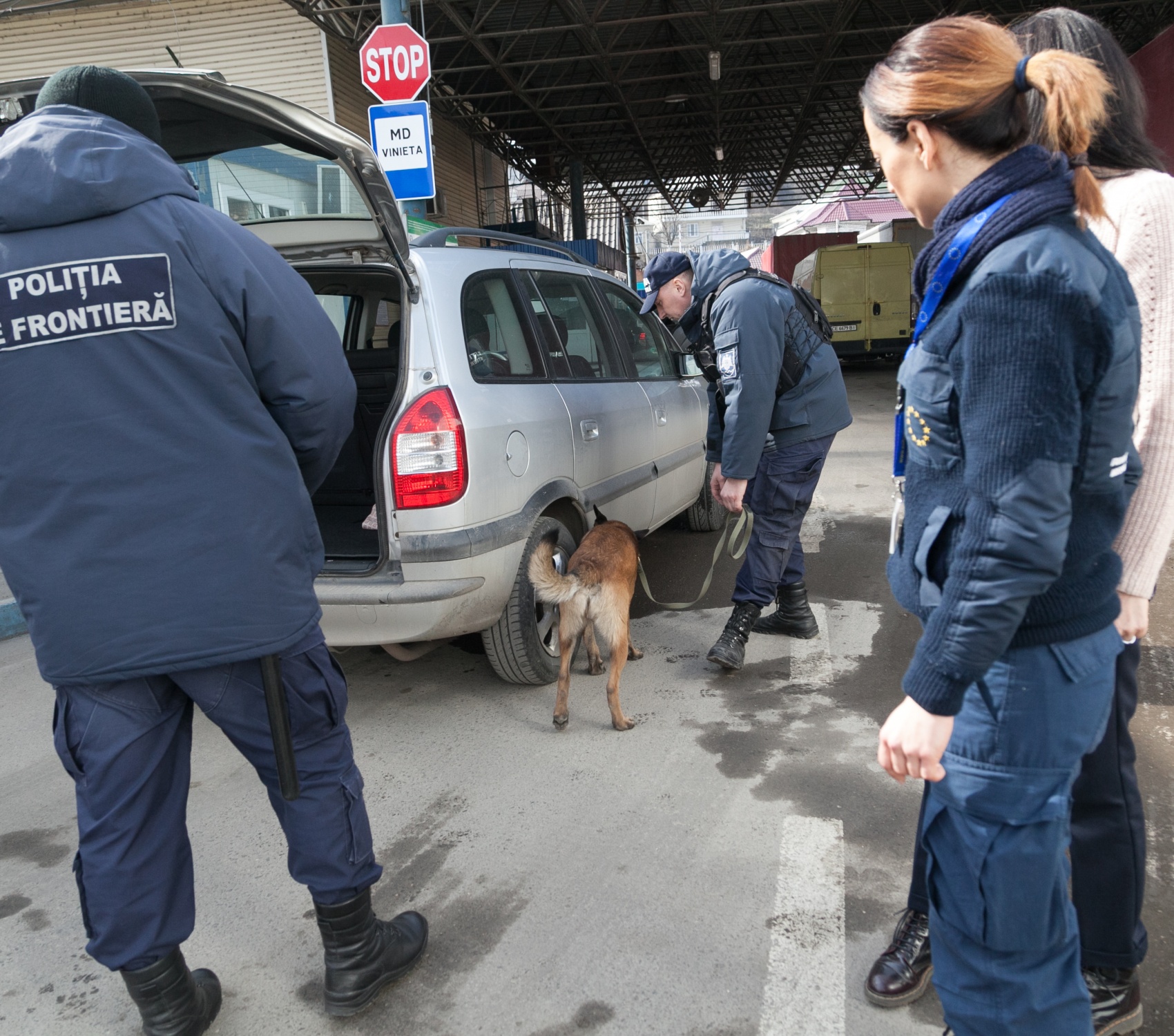
Besides the traditional activities required by the profession, Raisa Novițchi tries to also bring some colour to the institution.  Last year, for Easter, they surprised travellers with a “speaking” dog carrying a set of speakers on his back and, with the help of the Border Police Cynologist, congratulated people.

For the beginning of spring, the Border Police also has a tradition. “Every year, on the first of March, we meet with our colleagues from Romania and we exchange martsishor (mărțișor).  It is a beautiful act”, says Raisa Novițchi and tells us that the Moldovan press already knows that year after year the Border Police organizes something special for the holidays.  During the winter holidays they went to the Ukrainian border as well, where the team from Moldova sang carols for their colleagues from Ukraine.

Next, Raisa Novițchi says that she sees herself still in the communication field within the Border Police, however she also thinks about trying to work directly at the state border, either at customs control or in patrol. “It would be interesting for me to interact with the travellers.  I would like to see how I would react in various cases”, says Raisa Novițchi.  “I like what I do, especially the uniform”, jokes the Border communicator.

Major Tatiana Bilous, Chief Officer of the Information and Analytical Department of the Belgorod-Dnistrovskiy Border Detachment Headquarters

Tatiana has served in the State Border Guard Service of Ukraine since 2004.  It was easy for her to select her future profession. Tatiana grew up in Khmelnytskyi city, where the Academy of the Border Guard Service is located and where her father used to teach.  The Academy is the most prestigious high educational establishment in the city. The graduates receive not only a rank but a secured job, decent salary and social package. After graduation from the Academy Tatiana had worked in Kherson for three years. In 2013 she was transferred to Bilhorod-Dnistrovsky where she has held various managerial positions. Currently Tatiana is the Chief Officer of Information and Analytical Department of the Belgorod-Dnistrovskiy Border Detachment Headquarters.

Working in the field of risk analyses, Tatiana takes part in coordination meetings with the experts of European Union Border Assistance Mission (EUBAM), where issues of border crossing and illegal migration are discussed.

Tatiana likes to wear uniform. She also likes that the work in the Border Guard Service of Ukraine gives the women the opportunities for career prospect and professional development which is quite rare in Ukraine. “In many organizations career perspectives for women are very limited, but not in the Border Guard Service.   Here the women have opportunities for promotion. My supervisor is a woman and my subordinate is a woman as well”, said Tatiana.

Tatiana believes that to be a border guard is more difficult for women than for men. With regard to military training and physical fit the requirements for both men and women are the same, but when working with the documents the expectations are higher for women, as there is a common believe that they are more accurate and scrupulous.

Tatiana plans to work in the Border Guard Service for many years, successfully building her career.

Nota bene: The article was partially drafted with the support of the regional communication project “EU NEIGHBOURS east”.
A new impetus for Integrated Border Management – trilateral meeting of Heads of EUBAM, State Fiscal Service of Ukraine and Customs Service of the Republic of Moldova

Odessa, 02 March – European Union Border Assistance Mission to Moldova and Ukraine (EUBAM) held a trilateral meeting of the Heads of EUBAM, State Fiscal Service of Ukraine and Customs Service of the Republic of Moldova. With the full implementation of integrated border management one of the three pillars of the Mission’s current mandate, the main topic of the meeting was reviewing the state of affairs and discussing, from the customs perspective, the future developments regarding the border management at Moldova-Ukraine Border.

Referring to the ongoing joint control at the road Jointly Operated Border Crossing Points, both high-level representatives appreciated EUBAM’s support in advising on the design of border control processes, the blueprints for the daily functioning and layout of border crossing points. The support of the Mission’s field-based staff who has been monitoring them, making sure they maximise the benefits for legitimate cross-border travellers and traders was also positively noticed.

Slawomir Pichor, the Head of EUBAM highlighted the intensive work undertaken by the Mission in the field of IBM, the strategic support offered to the partner services, that culminated with the ratification by the Moldovan and Ukrainian Parliaments of the new agreement on joint control of persons, vehicles, goods and items at joint border crossings points from the Ukrainian-Moldovan state border.

When it came to the border crossing points where the joint control operations are not foreseen, the parties agreed that more coordination of the traffic flow and control procedures is needed. The Head of EUBAM suggested the implementation of certain measures for having smooth traffic flows and preventing queues. The real time information exchange about unusual situations and emergencies related to traffic flow, the cooperation with border agencies, the agreement on establishing the optimal clearance capacity and the flexible management of the traffic lanes were among the debated proposals.  

Concluding the meeting, the Head of EUBAM assured both the Head of State Fiscal Service of Ukraine and the Director General of Customs Service of the Republic of Moldova, that EUBAM will continue to contribute to the further improvement of border and customs cross-border and interagency cooperation between the partners. In the same time the Mission will continue to provide its full support for the implementation of the construction of the new facilities for the joint border crossing points in order to ensure harmonization of Moldova – Ukraine cross border processes in line with the IBM standards and EU best practices.

In his address, the Director General of Moldovan Customs Service Vitalie Vrabie mentioned the effectiveness of the meetings in this format, which allows the parties to agree on the most viable forms of interaction. “Efficient border management, by ensuring simultaneous securitization and more coordination of the traffic flows, is a shared responsibility. That is why it is important that these measures are ensured by all four customs and border authorities of the Republic of Moldova and Ukraine. And this necessity becomes even more stringent in the context in which we have already ratified the Agreement that allows the establishment of joint control on the entire Moldovan-Ukrainian border segment, “said Vitalie Vrabie.

Miroslav Prodan, Acting Head of the State Fiscal Service of Ukraine recalled that the last time the Heads of Ukraine and Moldova Customs and EUBAM have met in this format was in 2012. “Such trilateral format allows for discussion and making decisions on wide range of questions.  During the last years we proved that jointly we could reach our goals in provision of economic security of two countries and wider region as well as creation of modern facilities for crossing of Moldova-Ukraine border in line with EU standards. Joint control, cooperation in fight with cross border crime and introduction of video control systems at the road border crossing points are examples of this”, said Mr. Prodan. Implementation of joint control projects in Reni, Kuchurhan and Palanca and improvement of border control procedures will be priorities for the State Fiscal Service in 2018. In addition, among potential direction of cooperation between customs agencies of Moldova and Ukraine and EUBAM, Myroslav Prodan noted the cooperation on counteraction of customs frauds.

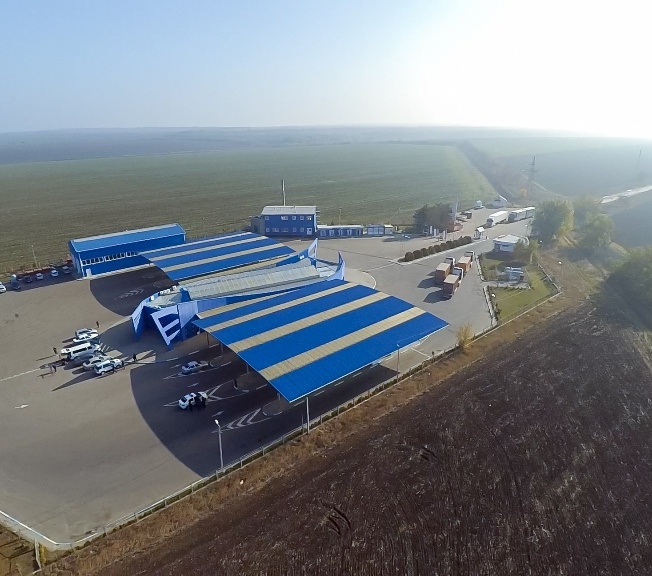
Moldova and Ukraine finalized technical requirements for the new Jointly Operated Border Crossing Point Palanca

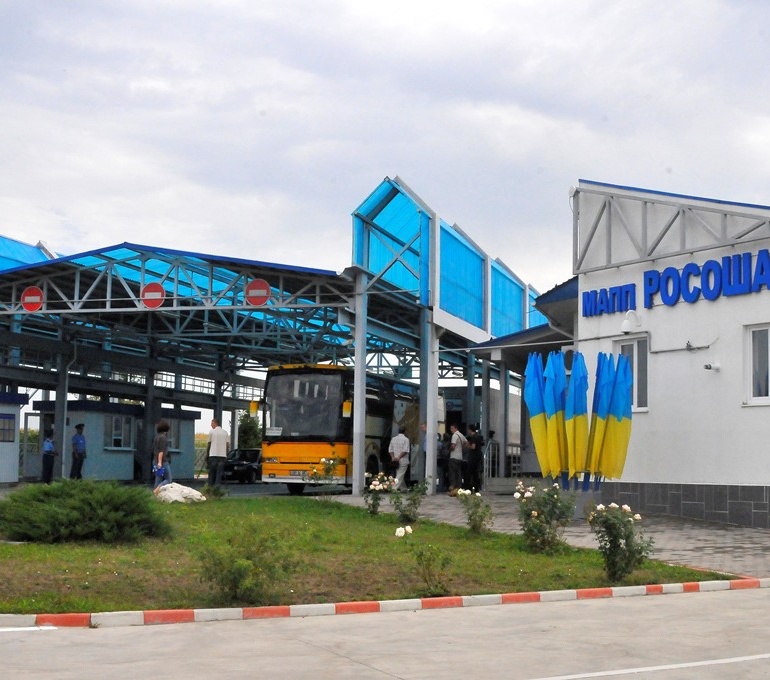
On 19th February at EUBAM HQ in Odesa authorized officers from all four EUBAM’s main partners – Border Police and Customs Service of the Republic of Moldova, State Border Guard and State Fiscal Service of Ukraine, and United Nations Development Program (UNDP) Moldova, implementing agency for Palanca project, met to finalize design and the technical requirements for the new Jointly Operated Border Crossing Point (JOBCP) Palanca. The participants discussed one more time and agreed on the final list of the requirements for the equipment to be used at this JOBCP. Based on the results of the meeting, UNDP will launch the tender procedure to equip the new border crossing point with all the necessary tools for the joint control according to the EU standards.

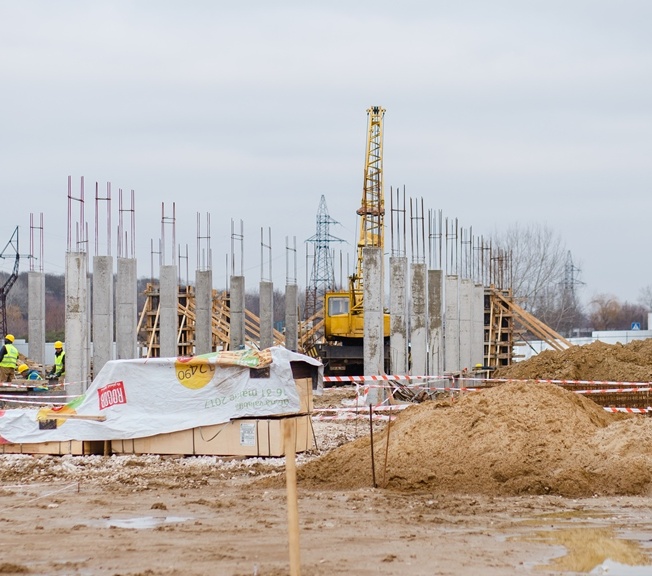
It is planned that the new border crossing point, specially designed for joint control, will start to operate in November 2018. The construction works are currently underway. The new border crossing point will be comfortable for travelers, business and border control agencies. When the new JOBCP Palanca starts its operations, the travellers will stop for border checks only once and the border crossing time for people and trade will reduce by 20%. The 4,5 mln euro out of 5,56 mln euro budget of the project are granted by the European Union.

“EUBAM has supported Palanca project in all aspects, from helping to apply for the EU funding on initial stage to advising on precise technical details related to the work of the JOBCP later on. The Mission will continue assisting its Moldovan and Ukrainian partners in modernization of border management between the two countries”, said Slawomir Pichor, Head of EUBAM.

Palanca will be the first newly constructed border crossing point functioning under the new Agreement on Joint Control at Moldova-Ukrainian Border signed by the Governments of Moldova and Ukraine in October 2017. Its operations will be built on modern border management principles such as one-stop-shop and Single Window with exchange of electronic data among different agencies involved in the border control.

Introduction of joint border control is an essential part of the Integrated Border Management concept promoted by EUBAM at Moldova – Ukraine border. Besides Palanca, EUBAM has been assisting partner services with implementation of another large scale EU funded project focused on support of joint control, establishing automated information exchange on travelers and vehicles and launching of Common Contact Point at Palanca JOBCP.

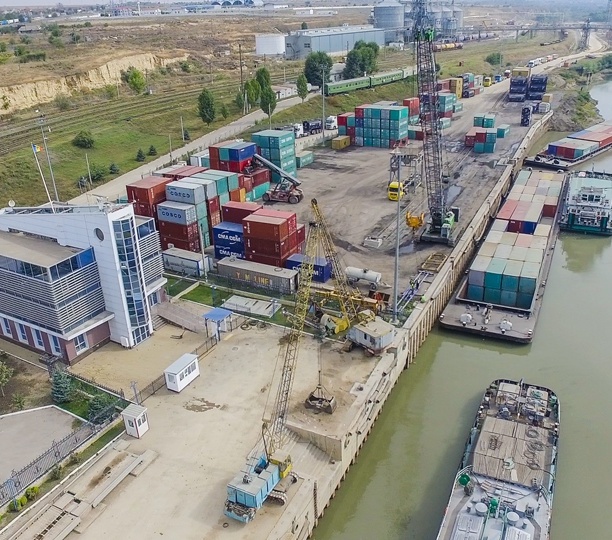
EUBAM’s recommendations discussed by Giurgiulesti Port Users Forum

On 15 February 2018 EUBAM experts attended the fourth meeting of the Giurgiulesti International Free Port Users Forum. One of the points of the agenda was the review of implementation of the recommendations outlined in the Giurgiulesti Port Study, launched by EUBAM and Moldova Customs Service in 2017. The representative of Border Police reported on improving the infrastructure and technical facilities in particular installation of CCTV cameras at railway border crossing point to reduce the risks of illegal activities. The railways already allocated 140,000 lei on renovation of the inspection bridges which will help to increase effectiveness of customs examination and border checks.

Participants of the meeting requested EUBAM’s assistance in amending and updating the procedures according to the Convention on Facilitation of International Maritime Traffic of the International Maritime Organization (IMO FAL Convention) which is expected to be ratified my Moldova soon. EUBAM assured partners in its support to the implementation of the recommendations which require adjustments of national normative acts and legislation.

The attendees of the Forum also discussed a number of other questions affecting the work of the Port authorities, businesses and life of local residents from port safety to building of a new parking lot for tracks coming to the Port.

The Giurgiulesti International Free Port Users Forum brings together representatives from all the border services, the Harbour Master, shipping companies and the port’s owner/operator and has been designed to address day-to-day practical, operational, logistical and administrative issues between all relevant stakeholders. Established in support to the implementation of EUBAM’s recommendations now it covers much wider range of issues, proving it sustainability in being a platform for discussion and introducing the EU and international trade facilitation practices in the work of Giurgiulesti Port. The next meeting of the Forum will take place in May 2018.

EUBAM welcomes public consultations regarding the new Customs Code of the Republic of Moldova

On 14 February the draft of the new Customs Code of the Republic of Moldova, developed with EUBAM’s support, was submitted for the public consultation. This is a necessary step before its adoption by the Moldovan parliament. The new Code complies with the provisions of the Union Customs Code and is an important step in fulfilling of the EU-Moldova Association Agreement and DFCTA commitments. It is expected to be enforced starting from the beginning of 2019 with some of the provisions becoming functional from January 2020.

Slawomir Pichor, Head of European Border Assistance Mission to Moldova and Ukraine said: “EUBAM felt honoured when at the end of 2016, the Ministry of Finance, as part of its ongoing efforts to align legislation with the EU-Moldova DCFTA, invited us to support Customs Service in drafting the new Customs Code. It has been a challenging work in which the Mission invested both human and time resources, and it was a successful one. The document was examined and endorsed by TAIEX and the Ministry of Finance respectively. Today we are happy to see the public consultations started and Moldova will have soon a new Customs Code in line with the provisions of EU customs legislation”.

The Code was developed with the substantial support of an EUBAM expert Galja Pavlova, Bulgaria, who highlighted: “People assume the EU’s Customs Code can just be copeid and pasted, but alignment does not necessarily mean assimilation. There were some fundamental differences in definitions and procedures we had to overcome. But I’m proud to say that the new draft Customs Code is fully compatible with EU customs standards.”

Since signing the EU Association agreements EUBAM has supported both Moldova and Ukraine in the practical application of the trade and customs provisions that are the parts of DFCTA Commitments of both countries. This included advising on legal alignment, recommending procedural changes and advising on the issuance of export certificates.

EUBAM and Odesa Customs to enhance cooperation in improving the border crossing and fighting against cross border crime

During the meeting at EUBAM HQ the delegation of Odesa Customs led by its Head Mr Oleksandr Vlasov discussed with EUBAM management current activities and coordinated plans for the future.

Joint border control matters were in the focus of the discussion. Appreciating the Mission’s support with Jointly Operated Border Crossing Point Palanca project, Head of the Odesa Customs expressed hope for further EUBAM’s assistance in technical areas to make this border crossing point operating according to the highest European standards. Issues of wide introduction of ‘Singe window’ at the border and inland customs posts were also discussed.

Head of EUBAM, Mr Slawomir Pichor highlighted the need for better coordination of efforts both on operative and managerial levels. It was agreed that the Mission and the Odesa Customs would intensify information exchange and the managers would meet face to face regularly.
EUBAM will continue to facilitate contacts between Ukrainian customs authorities, EU member states and international law enforcement agencies. Such cooperation has already led to a number of successful operations. Plans for future joint border control operations were also discussed during the meeting.

Head of Odesa Customs briefed EUBAM on the projects of other donors on counteracting smuggling, organized crime and terrorism and invited EUBAM to provide expert assistance in implementation of these projects.

EUBAM’s contribution to supporting the development of Transnistria-related confidence building measures appreciated by the Deputy Prime Minister for Reintegration of the Republic of Moldova

On 13 February, Ambassador Peter Michalko, Head of the EU Delegation to the Republic of Moldova introduced the newly appointed Head of the EU Border Assistance Mission to Moldova and Ukraine (EUBAM) Slawomir Pichor to the new Moldovan Deputy Prime Minister for Reintegration Cristina Lesnic. The EU Ambassador highlighted the Mission’s technical and advisory role in promoting confidence building measures between the two banks of the Nistru River. The Moldovan Deputy Prime Minister appreciated the achievements obtained from the productive cooperation of the Moldovan authorities with the EUBAM, specifying the need to strengthen the partnership, the qualitative implementation of the objectives and establishing a secure and prosperous area at the eastern border of the European Union.

Considering that contributing to Transnistria-related confidence building measures is one of the three main objectives in EUBAM’s new mandate, Mr. Pichor underlined that “ever since the Mission’s launch in 2005, supporting the settlement process of the Transnistrian issue has been one of the fundamental vectors of EUBAM’s activity. This is how it will remain throughout EUBAM 12, when further contributing to confidence building efforts will be the common thread tying up all Mission’s activities”.

EUBAM and FRONTEX coordinated their support for Ukrainian border guards

On 24 – 25 January the delegation from European Border and Coast Guard Agency (Frontex) visited EUBAM Headquarters and the Field Office at Odessa Sea Port to coordinate their operational plans for the next year.

Frontex team, consisting of officers from Romania, Slovenia, France and Spain, presented the concept of the Joint Operation ‘Coordination Points’ 2018 and discussed the possibility to deploy additional focal point in one of the ports in Odesa area. EUBAM presented its main activities planned for the next phase, provided insights of its daily work with the partner services at Odesa and Chornomorsk ports and expressed the readiness to support Frontex initiatives within EUBAM’s area of responsibilities .

“United efforts and improved coordination of international support would help to allocate the limited donor resources more wisely and to more effectively assist the Ukrainian partners in counteracting cross-border crime”, said Urmas Koidu, Head of Planning, Analyses and Coordination Office. “Being present on the ground, EUBAM is ready to support other EU agencies with its knowledge and expertise”, he added.

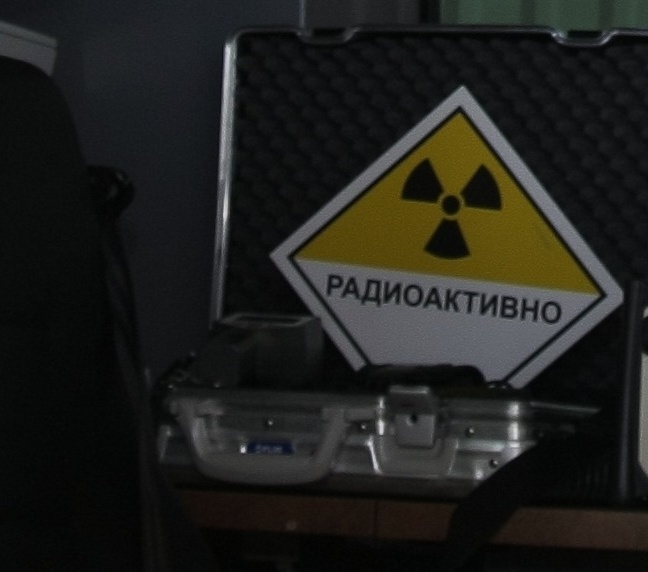
EUBAM has a long history of cooperation with Frontex agency. For a few years the Mission has provided assistance within the Joint Operation ‘Coordination Points’ at Otaci, Tudora and Kuchurgan border crossing points. Frontex has been an important partner for most of EUBAM led joint operations including the Joint Border Control Operations Navigator targeting the illegal movement of firearms, explosives, chemical, biological, radiological and nuclear materials which was held in 2017.

EUBAM Advisory Board welcomes the three-year extension of EUBAM’s mandate and appreciates the Mission’s contribution to regional stability and security

Chisinau, 26 January 2018 – EUBAM’s 29th Advisory Board Meeting welcomed the three-year extension of EUBAM’s mandate from 1 December 2017 util 30 November 2020 and the appointment of Slawomir Pichor in his capacity of the new Head of Mission. In doing so, the European Union re-confirms its commitment to assist the authorities in both the Republic of Moldova and Ukraine.

Chairman of the Advisory Board, European Union Ambassador to the Republic of Moldova, H.E. Peter Michalko stated: “I am delighted to see EUBAM enter a new phase in its work and congratulate the new Head of Mission, Slawomir Pichor, once again on his appointment. The next few years, EUBAM will focus further on delivering technical support to the Transnistrian settlement process. Furthermore, its focus on combatting cross-border crime will continue under the new mandate as well as its assistance to the competent Moldovan and Ukrainian authorities to fully implement systems related to Integrated Border Management. They will further enable private and business travellers to smoothly travel between both countries.” Stephan Dahlgren, representative from the EU Delegation to Ukraine added that “the European Union supports the improvement works at the Moldovan-Ukrainian border crossing points for a total of EUR 10 million over the next two years. EUBAM’s assistance will help ensure implementing the joint border management of the Kurchuhan, Reni, and Palanca border crossing points.”

The new Head of EUBAM Slawomir Pichor addressed the meeting by expressing his gratitude for being given the opportunity to lead EUBAM in the beginning of the Mission’s new mandate: “I want to pay tribute to my predecessors for the great work they did and on whose achievements I will now build further. My main priorities will be to contribute to a qualitative change in the border management and to provide technical support to Transnistrian settlement process.”

Tatiana Molcean, State Secretary at the Ministry of Foreign Affairs and European Integration of the Republic of Moldova, noted: “Among the most important achievements in 2017, we want to highlight the establishment of the joint control points at the Moldovan-Ukrainian border Kuchurgan – Pervomaisc and Palanca – Maiaky – Udobnoe. With a view to the future, we are pleased to see there is ground to improve and extend joint border control mechanisms. We are grateful to EUBAM for the expertise provided during the development of a number of pilot-projects. Its knowledge and its role of binder between Moldova and Ukraine should be maintained.”

Serhii Saienko, Deputy Director-General, Directorate General for the European Union, Ministry of Foreign Affairs of Ukraine expressed a wish to see EUBAM coordinate, where relevant, actions on Integrated Border Management (IBM) with EUAM (EU Advisory Mission in Ukraine). Ukraine also welcomes the establishment of the Joint Border Crossing Point Palanca in 2017 and is looking forward to see EUBAM contribute to modernising and technically upgrading the Border Crossing Points in Kuchurgan and Reni.

The Advisory Board Meeting brought together representatives from the Foreign Ministries, border, customs and law enforcement agencies of the Republic of Moldova and Ukraine, the European Union Delegations to the Republic of Moldova and Ukraine, the European Commission, the International Organization for Migration, the Organisation for Security and Co-operation in Europe and United Nations Development Programme. It will meet again in Odessa in June 2018.

EUBAM 2017 Milestone Events

A photo overview of major achievements of EUBAM and its partner services on Moldova-Ukraine border in 2017.

Launching the joint control in Palanca – a qualitative change in border management both for the people and for the trade

On 19 December the joint control in the temporary Jointly Operated Border Crossing Point Palanca was officially launched during a ceremony attended by the management of the Moldovan and Ukrainian border agencies, the Head of EUBAM, the UNDP Project Manager, the Ukrainian Ambassador to Moldova and representatives of the local public authorities.

EUBAM regards the launching of the Joint Control as proof of the good cross-border co-operation between the Republic of Moldova and Ukraine. In supporting this initiative, the Mission provided assistance in drafting the temporary technological scheme for organizing the joint control.

During the launching ceremony the status of the works construction of the new Jointly Operated Border Crossing Point was also presented. Being an EU funded project, implemented by UNDP, in the framework of the Eastern Partnership IBM flagship initiative, it will significantly simplify the procedure of crossing the border for citizens of Ukraine and Moldova, as they will need to pass the border and customs control only once.

EUBAM supported as well the design of the future Jointly Operated BCP and assisted in drafting the list of its necessary equipment. In the same time, EUBAM experts’ advice regarding the exchange of travelers’ data in real time between UA authorities has been already successfully implemented.

The Head of European Union Border Assistance Mission to Moldova and Ukraine Slawomir Pichor stated “Today we are making together a qualitative change in border management both for the people and for the trade. Launching this joint control in Palanca is a proof of the increasing cross-border co-operation between the Republic of Moldova and Ukraine. EUBAM will continue to work with its Moldovan and Ukrainian partners for the modernization of border management between the two countries. I would like to congratulate this new initiative and to assure you of EUBAM’s full support.”

“The capacities and skills that will be developed at the “Palanca” temporary border crossing point will be subsequently applied on a much wider scale to the new crossing point that is being built under the project implemented by UNDP Moldova and will be operational at end of next year”, mentioned the UNDP Project Manager Alla Skvorțova.

“By implementing European best practices in the field of integrated state border management, the Republic of Moldova and Ukraine are becoming closer to European values and standards.The launching of joint control at the Palanca Temporary Crossing Point represents a significant progress in achieving this goal”, the Director General of Moldovan Customs Service Vitalie Vrabie noted.

Within the context of the European Neighbourhood Policy (ENP), both Moldova and Ukraine have committed to progress towards efficient and comprehensive border management, including specific customs and border guard issues.

EUBAM will continue to work with its Moldovan and Ukrainian partners for the enhancement of integrated border management between the two countries by encouraging joint border control at border crossing points and information sharing between the agencies.

EUBAM supported the breaking up of an illegal tobacco factory

European Union Border Assistance Mission to Moldova and Ukraine (EUBAM) joined the border and law enforcement agencies of Ukraine, EU member states and Europol in their efforts to stop the operation of an illegal tobacco factory in Spain on 5 December 2017.

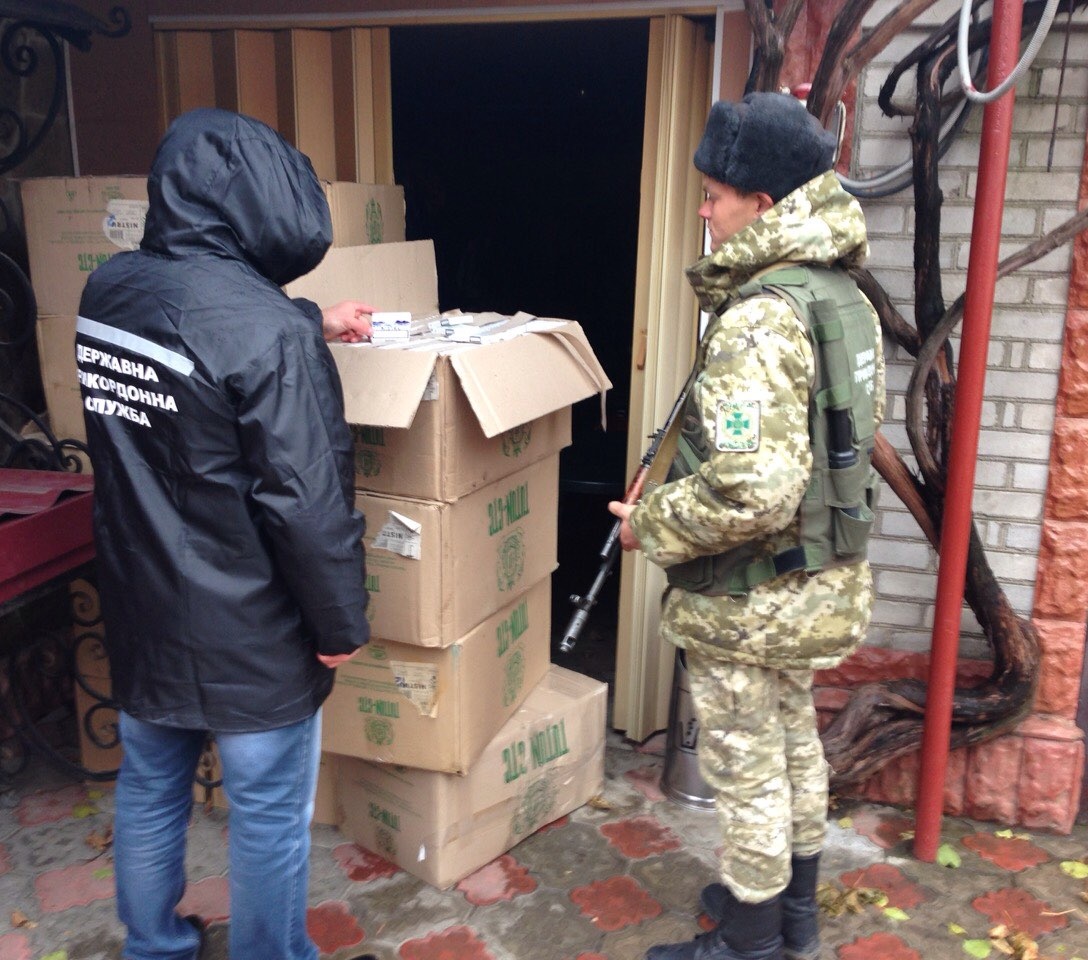
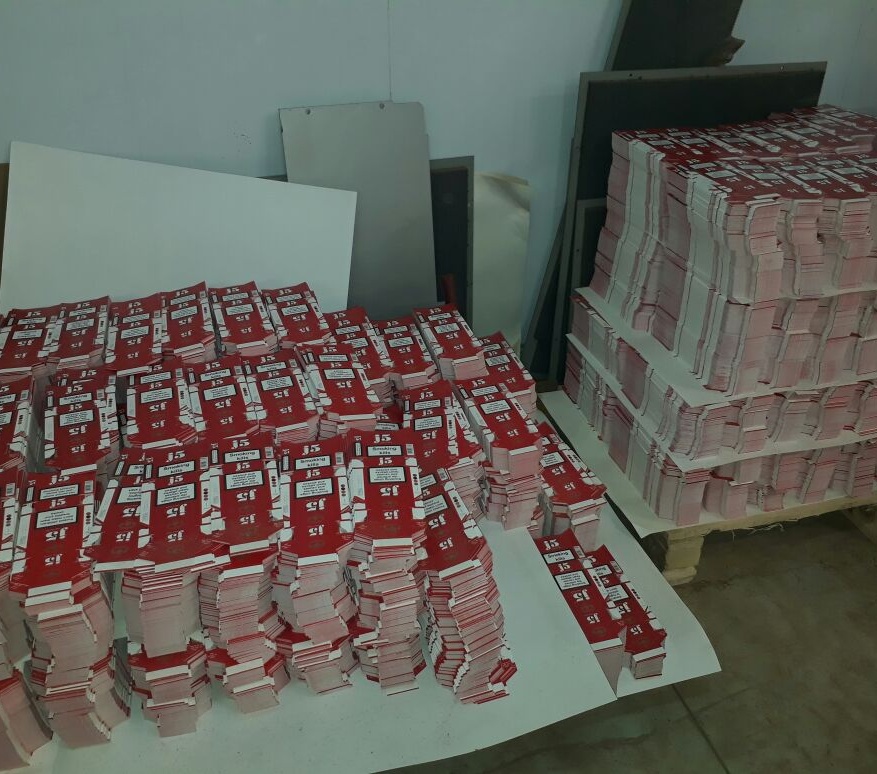
18 members of a criminal organization that was manufacturing more than two million cigarettes per day were arrested. They are suspected of illicit tobacco trade, participating in an organized criminal group, money laundering and violating the rights of workers. The organized crime group had invested almost EUR 3 million to start up their illegal tobacco factory in Granada and had even created their own cigarette brand. The workers, mainly from Ukraine and Bulgaria, were living in safe houses and forced to work more than 12 hours each day in a very unhealthy working environment.

European Union Border Assistance Mission to Moldova and Ukraine has supported the investigation performed by the representatives of the State Border Guard Service of Ukraine in close cooperation with the Spanish Guardia Civil.

As a result of the investigation, the factory in Granada has been dismantled and eight searches were carried out in Granada and Malaga. During the searches, 10 tons of tobacco leaves, 4 tons of fine-cut tobacco, 4.5 million cigarettes, machinery, filters, paper and glue, were seized.

The production of fake cigarettes can cost the taxpayer billions of Euros a year in lost duty and taxes, money that could be funding the vital public services. By undermining legitimate retailers and illegal sale of tobacco, the criminals get profit and fund the organized crime. Moreover, fake cigarettes have no quality control in their manufacturing and may contain far higher levels of toxic ingredients which represent a serious health threat for the consumers.

“European Union Border Assistance Mission to Moldova and Ukraine has made fighting against illicit trade one of its flagship initiatives as it represents a major economic and security challenge for both countries and a serious concern for the European Union and its Member States as well. Working together – at the national, bilateral and international level – is the key to an approach that should prevent and reduce illicit tobacco trade in Moldova, Ukraine and EU Member States.”, noted Slawomir Pichor, Head of EUBAM.

The European Union’s Border Assistance Mission to the Republic of Moldova and Ukraine starts a new phase with a new Head of Mission

The European Union Border Assistance Mission to the Republic of Moldova and Ukraine (EUBAM) today enters a new phase with a new mandate. Under the leadership of a new Head of Mission, Mr. Slawomir Pichor (Poland), EUBAM will further target its efforts to monitor, evaluate and provide advice on border and customs control measures and procedures to the competent authorities in Moldova and Ukraine. At the same time, actively contributing to the settlement of the Transnistrian issue will remain a key component of the Mission.

The Ambassador of the European Union to the Republic of Moldova, H.E. Mr. Peter Michalko, expresses his gratitude to Ambassador Andrew Tesorière, the outgoing Head of Mission whose mandate ended on 30 November. He congratulates Mr. Pichor on his new assignment and wishes him and his team every success. Ambassador Michalko adds that “by starting a new phase, the European Union reconfirms its assistance to citizens’ everyday lives. Travelling from one country to the other – whether it is for business or private reasons – should happen without major obstacles. The fight against traffickers and smugglers is equally important, but should not be to the detriment of the vast majority of people that travel for valid reasons”.

The new Head of European Union Border Assistance Mission, Mr. Slawomir Pichor stated: “I am honored to have been selected for this position. EUBAM has always been close to my heart and I will do my utmost to lead the Mission the best I can. The full approximation to European standards of the border management procedures in the region and further contribution to the Transnistrian settlement process will be my top priorities.”

EUBAM has worked in both the Republic of Moldova and Ukraine since 2005. While it has its Headquarters in Odessa (Ukraine), an important part of its staff is permanently based in Chisinau, Giurgiulesti and Otaci to work with the Moldovan Customs Services and Border Police. The Mission’s main objective however has remained unchanged throughout all these years, which is improving the service delivery to the citizens of both countries involved (e.g. through shorter waiting periods at border crossings and by strengthening border security) and assisting the authorities in the fight against fraud and smugglers.

EUBAM brings together experts from Chisinau and Tiraspol to strengthen phytosanitary controls

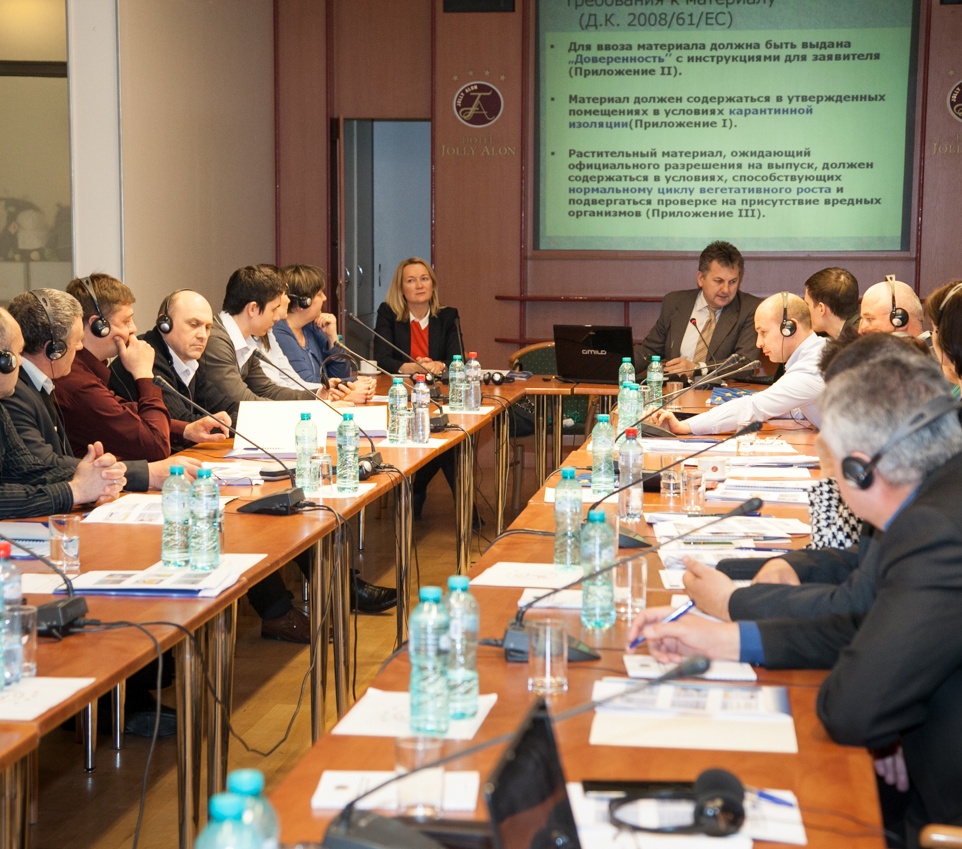
30 Phytosanitary Inspectors from both sides of the Dniester River came together in Chisinau on 31 October and 1 November for a workshop on the use of the EU’s Trade Control and Expert System (TRACES). Organised by EUBAM and hosted by the Republic of Moldova’s National Food Safety Agency (ANSA), the workshop familiarised the inspectors with the system and allowed them to gain practical experience in performing advanced notification filling in TRACES by cargo representatives and verification by Phytosanitary Inspectors.

The workshop was facilitated by a leading EU expert on the TRACES system, and was followed on 2 November with an advisory session for ANSA management in preparation for the system’s introduction to the country’s phytosanitary controls from 2018.

TRACES is the European Commission’s online management tool that tracks the movement of animals, food, feed and plants imported from outside the EU or traveling into EU Member States. TRACES protects the consumers, encourages cooperation and facilitates trade. The Republic of Moldova is introducing TRACES as part of its alignment to EU standards stemming from the Association Agreement.

EUBAM hands over its Trade Facilitation Working Group

Chisinau, 26 October – EUBAM today handed over responsibility for the organisation of the regional Trade Facilitation Working Group to U.S Department of Commerce’s Commercial Law Development Programme (CLDP). During its latest meeting in Chisinau, on 25-26 October, assessed the progress made by the Republic of Moldova and Ukraine in the introduction of the Authorised Economic Operators scheme, strengthened Post-Clearance Audit functions, and adaptation of key EU regulations on rules of origin, free zones and guarantees.

The Working Group was established by EUBAM in 2015 as a platform for co-operation between the Customs services of the Republic of Moldova and Ukraine, other government agencies, business representatives and donors. It has proven to be a useful catalyst for public-private co-operation on identifying gaps and challenges in trade facilitation measures in the Customs practices of both countries. Vladimir Pisar, EUBAM’s Trade Facilitation Advisor, highlighted that, “the emphasis of the Trade Facilitation Working Group has, since its inception, been on finding solutions between the Customs services and the business community, rather than just discussion. The fact that participants want to continue to utilize it beyond EUBAM’s engagement demonstrates its value.”

In 2017, the Working Group’s efforts led to the development of draft legislation to strengthen the Post-Clearance Audit function in Ukraine and the Republic of Moldova. Post-Clearance Audits allow a Customs Service to verify the accuracy and authenticity of declarations through the examination of records and data held by economic operators. Their use means less controls are conducted at the border, allowing for faster clearance and more accurate valuation of goods.

The U.S Department of Commerce’s CLDP will take on EUBAM’s organization of the Trade Facilitation Working Group’s functions. CLDP supports the Government of Ukraine in fulfilling its World Trade Organization obligations on trade policy.

Ukraine’s Anti-Illicit Tobacco Strategy presented to International Border Agencies and Tobacco Industry Representatives in Odesa

25 October, Odesa – Representatives of Ukraine’s law enforcement agencies today presented details of the country’s Strategy for Preventing Illicit Tobacco Goods Production and Turnover. Approved on 23 August this year, the Strategy sets out measures to enhance Ukraine’s legislation, operational capacity and infrastructure for law enforcement agencies to effectively detect, investigate, seize and prosecute large-scale tobacco smuggling.

Ukraine’s border, customs and law enforcement agencies developed the Strategy in close cooperation with the tobacco industry and international partners. EUBAM supported its drafting, using the EU’s Strategy on Illicit Tobacco and those of individual EU Member States, as models.

The Strategy was presented during the EUBAM-led Task Force Tobacco meeting, which unites Ukraine and Moldova’s border and customs agencies, the tobacco industry and international law-enforcement bodies on issues related to the illicit trade in cigarettes.

Andrew Tesoriere, Head of EUBAM, underlined that; “Improving co-operation is a critical component for effective counter-measures to tobacco smuggling. The benefit of the Task Force Tobacco forum is that it brings together all stakeholders in one place to foster that collaboration. The need for Ukraine’s anti-illicit tobacco strategy was first identified through the Task Force Tobacco and I am pleased the approved Strategy places an onus on inter-agency and international co-operation. In discussing these issues, EUBAM continues to remain mindful of citizen choice and public safety”.

Colonel Andriy Biloborodchenko, Head of the Press Office of Ukraine’s State Border Guard Service’s Southern Regional Directorate also emphasised the importance of inter-agency and international co-operation in countering tobacco smuggling, highlighting that: “Over the last three years, thanks to uniting the efforts of all law enforcement agencies of Ukraine and active co-operation with international partners and law enforcement agencies of neighboring countries we have managed to minimize the routes for the smuggling of tobacco products.”

EUBAM exchanges information on irregular migration trends

Kiev, 17 October – EUBAM expert presented the latest trends and observations concerning irregular migration on the Moldova-Ukraine border at the EU’s Eastern Partnership Panel on Migration and Asylum’s Expert Meeting on Preventing Facilitation of Irregular Migration. Participants exchanged best practices on the identification and counteracting of irregular migration channels and responsibility of facilitators, practical tools for prevention and co-operation between governments and civil society.

With its long-running focus on combating cross-border crime, EUBAM presented ideas and practices for strengthening inter-agency and cross-border co-operation in the prevention and detection of irregular migration, and investigation and prosecution of its facilitators. Razvan Budeanu, Head of Field Operations for EUBAM underlined that, “smuggling of migrants is a complex and very adaptable phenomenon. Although Ukraine and Moldova have not witnessed the numbers of irregular migrants passing through other routes into the EU, border agencies have to be fully prepared and the best way they can do this through strengthening inter-agency co-operation and information sharing to fight against criminal networks behind this phenomenon.”

Enhancing the operational capacities of Ukraine and Moldova’s border agencies to effectively detect and investigate cases related to irregular migration and trafficking in human beings has been a focus of the Mission since 2005. Capacity building activities were undertaken by EUBAM for the border agencies of both countries to profile trafficking victims, enhance risk analysis and selectivity during border checks, and develop new working methodologies and data collection methods. Ukraine and Moldova also enjoy operative cooperation with international organisations, including Europol and Frontex on irregular migration and trafficking cases.

The two day European Commission-led event was held in Kyiv and organized by Ukraine and Lithuania with the support of the International Organization for Migration (IOM) Mission in Ukraine. It gathered government policymakers and practitioners, and civil society representatives from the European Commission, EU Member States, Easter Partnership countries and candidate countries, IOM, UNODC and ICMPD.

More information on the Eastern Partnership Panel on Migration and Asylum at:

http://eapmigrationpanel.org/en/meetings/expert-meeting-preventing-facilitation-irregular-migration

EUBAM joins with Moldova’s Border Police and Customs Service to enhance container and vessel controls

From 9 October, EUBAM and its partners from Moldova’s Border Police and Customs Service launched a joint assistance exercise to assess and enhance the capabilities of the services in the profiling and selectivity of cargo containers for checks, and the performance of rummaging of vessels.

Experts from EUBAM’s Field Offices in Giurgiulesti, Chisinau and Odesa were involved, with related events taking place in several locations. This has included exercises in searching vessels for smuggled goods – otherwise known as rummaging – at Giurgiulesti International Free Port.

EUBAM experts from Germany and Romania shared their experiences with Border Police and Customs Officers on the steps of conducting a vessel’s rummaging, needed equipment and, most importantly, safety and security measures. Experts also advised on methods to select vessels for searches based on scrutiny of their documents.

Former EUBAM vehicles to be used to enhance operational capacities of Moldova’s border agencies

EUBAM today donated six vehicles to Moldova’s General Border Police Inspectorate and Customs Service to enable increased operational mobility and patrolling capabilities. The vehicles, formerly used by EUBAM, are capable of operating in all terrain conditions, thereby improving the capacity of both services to conduct patrols and operations along the whole of its border all year round.

Handing over the vehicles, Ambassador Andrew Tesoriere, Head of EUBAM, welcomed the handover as “a sign of increasing ownership of EUBAM-led initiatives by our Moldovan partners. Both the General Border Police Inspectorate and Customs Service have introduced new, innovative approaches in recent years, including joint mobile patrols, and I am sure these vehicles will enable the expansion of these modern border management practices.”

Receiving the vehicles, Head of Moldova’s General Border Police Inspectorate, Mr. Fredolin Lecari, expressed gratitude to EUBAM for its sustainable support in institutional capacity building initiatives, claiming that any investment in the border security system is justified and needed. “The donation of the three vehicles shall undoubtedly contribute to streamlining our activities in preventing and combating cross-border crime, but also acknowledges the joint efforts towards increasing mobility of the Border Police and delivery of quality, operative services at the border.”

In his acceptance of the vehicles, Head of Moldova’s Customs Service, Mr. Vitalie Vrabie, thanked EUBAM for supporting the efforts of the Customs Service in making their work efficient, expressing confidence that, “This equipment shall contribute significantly to the increase of operational and intervention capacities of the specialised subdivisions of the two authorities during the surveillance and control missions performed.”

Marco Gemmer, Deputy Head of the Operations Section of the European Union Delegation to the Republic of Moldova, highlighted the fact that “today’s event is a token of the European Union’s continued support to border management and customs services as they deliver crucial support to the citizens on both sides of the border.  These additional vehicles will further improve the quality of the assistance they deliver”.

Antonio Polosa, Chief of the International Organization for Migration’s Mission to the Republic of Moldova, and the implementing partner of EUBAM, welcomed the handover, noting that “the deployment of these vehicles will add valuable capacity to the task of effectively managing Moldova’s borders”.

The handover ceremony was held at the Headquarters of Moldova’s Border Police Department. EUBAM handed over eight vehicles to its Moldovan partners in June 2016 as part of its handover and sustainability strategy. The Mission continues to advise Border Police and Customs Officers at the Moldova-Ukraine border on a daily basis on border controls, customs procedures, risk analysis and measures to combat cross-border crime.