‘Beautiful Danube’ Photo Competition: meet the winners!

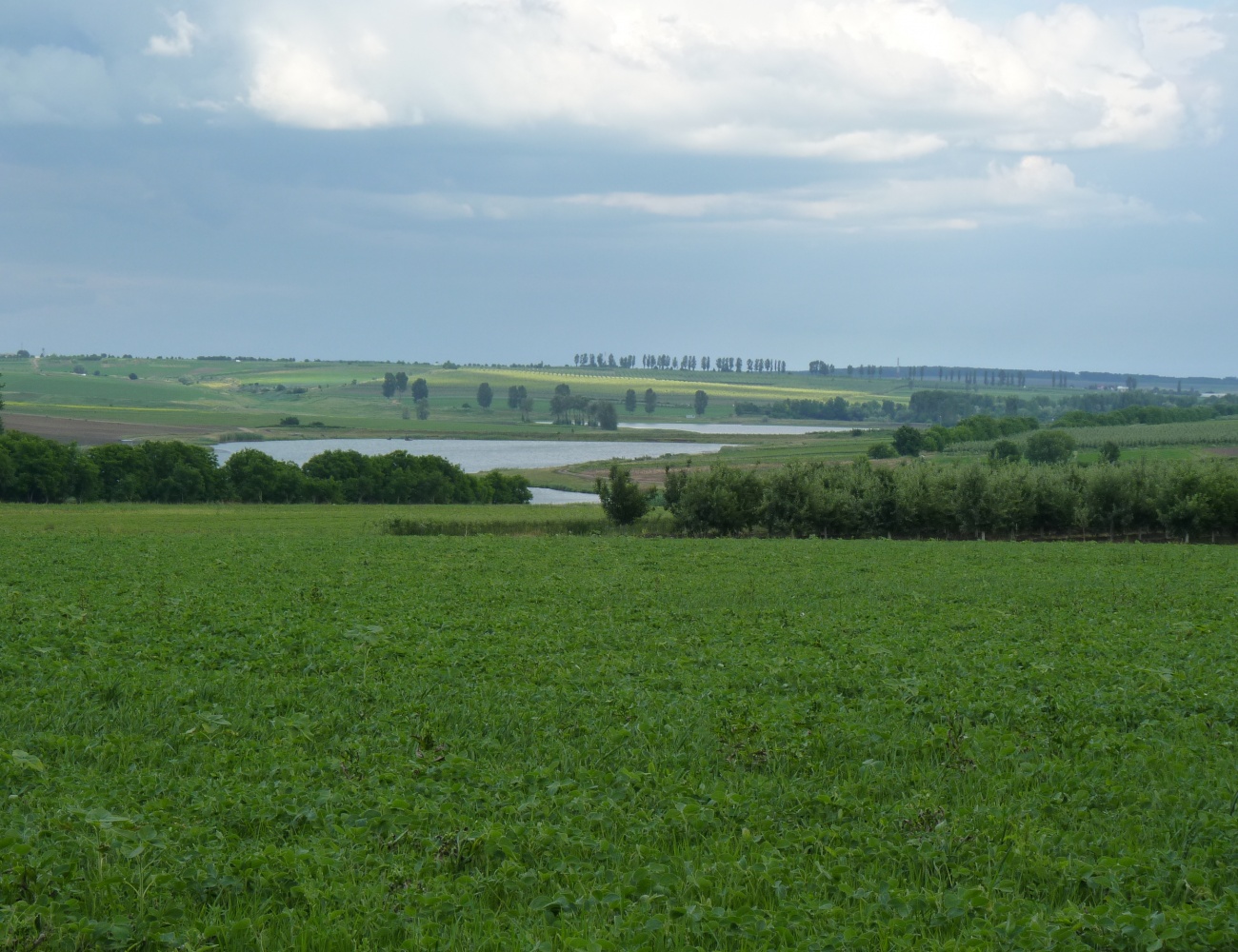
EUBAM’s area of operations cover the entire 1,222km-long common border between Moldova and Ukraine, as well as the adjacent ports in Odesa Oblast. The geography at the border varies considerably, from verdant hills in the north, to expansive fields in the east and south.

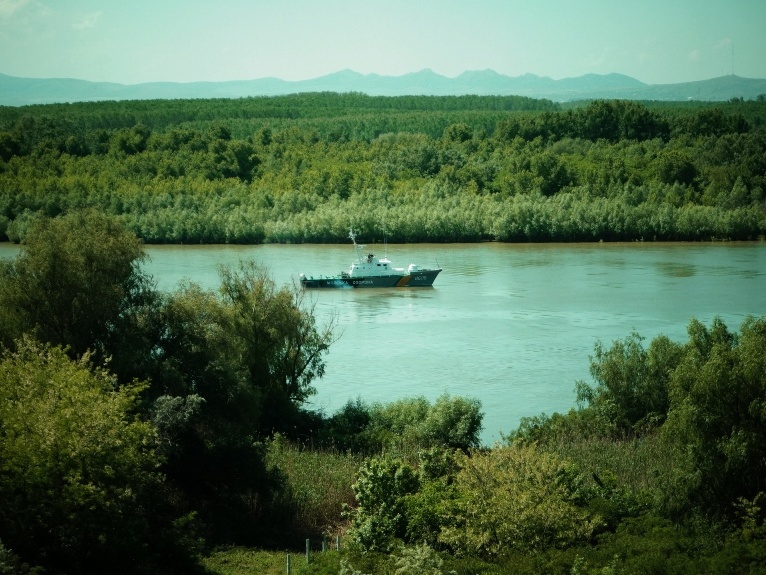
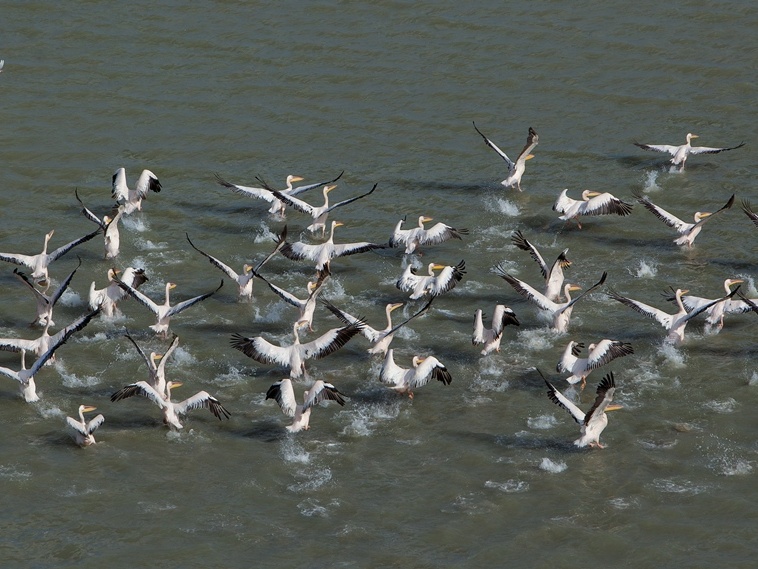
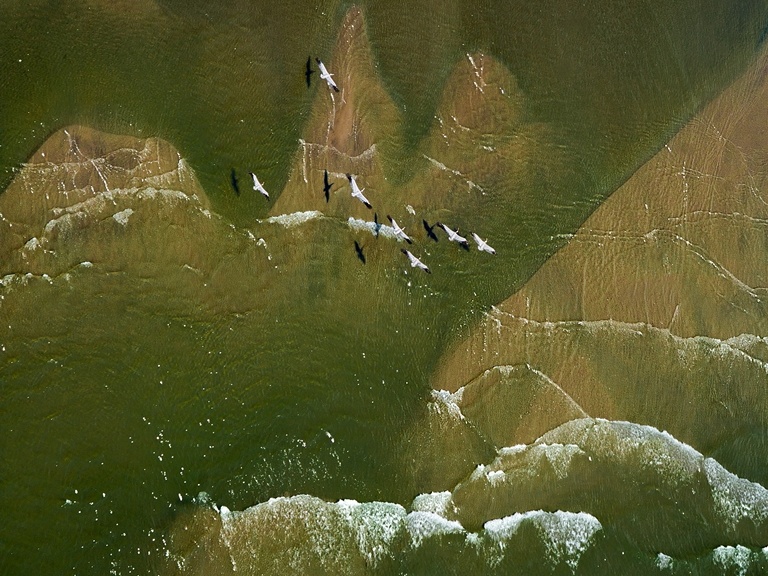
Yet one of the undoubted highlights within the Mission’s area is the Danube Delta. It is the second largest river delta in Europe, covering over 4,150 km² between Ukraine and Romania, before meeting the Black Sea. The area hosts 23 different natural ecosystems, and is home to over 300 different types of birds, including herons, mallards and pelicans, as well as 45 species of freshwater fish.

The region is one of the least inhabited in Europe, but for EUBAM it contains two important ports, at Izmail, and on the Delta’s northern tip at Reni. They had a combined cargo turnover of 6.65 million tonnes in 2016, with Izmail the seventh largest port in Ukraine. EUBAM’s Field Office in Giurgiulesti regularly visits both locations to advise Officers from Ukraine’s State Border Guard Service and State Fiscal Service.

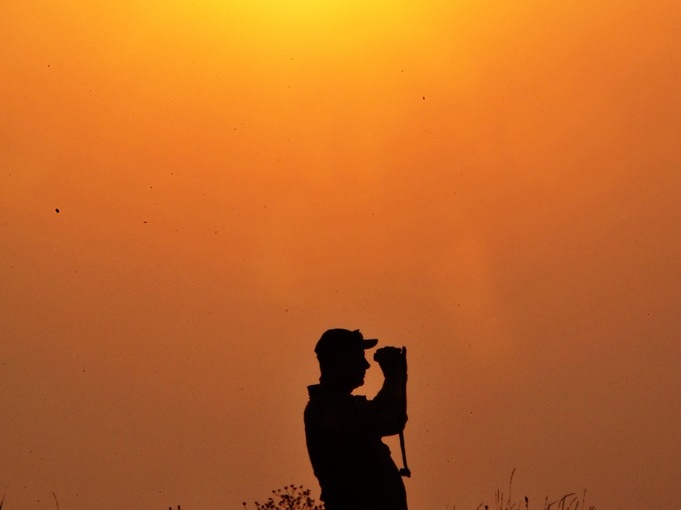
In May 2017, the Mission launched a photo competition to capture the scenery and everyday life in the Danube Delta. 63 entries were received, many of which typify the natural beauty and tranquillity of the region. A short selection is included in this slideshow. EUBAM hopes you enjoy this glimpse into a fascinating area just a few short hours’ drive from the hustle and bustle of Odesa.

  • Фото: Юрий Литвиненко / Photo: Yuriy Litvinenko

EUBAM workshop promotes Moldovan and Ukrainian exports through clearer Customs procedures.

Between 30 May and 1 June, Customs experts from Moldova and Ukraine were briefed on the implementation of the Pan-Euro-Mediterranean (PEM) Convention on preferential rules of origin. Moldova is already applying the PEM Convention, whilst Ukraine has recently initiated the procedure for becoming a Contracting Party (CP) to it. The workshop sought to prepare Moldova’s Customs Service and Ukraine’s State Fiscal Service for this, to ensure the full benefits of the Convention is achieved by businesses in both countries.

The Pan-Euro-Mediterranean Convention is a legal instrument on rules of origin applied in bilateral preferential trade between the Contracting Parties. It makes links to the free trade agreements with other Contracting Parties, which allows for cumulating of origin and better use of preferences.

Participants were briefed on the aims and benefits of the Pan-Euro-Mediterranean Convention, as well as on the ongoing revision of the rules of origin designed to simplify and facilitate trade. EU practice was shared on the use of suppliers’ declarations, functioning of the approved exporters’ system and registered exporters’ system, application of the no-drawback rule and customs control on preferential import. The Customs experts also exchanged experience on their accession to the Pan-Euro-Mediterranean Convention and the application of the current rules of origin operating in their Association Agreements with the EU.

The event, held in Odesa, was organised in conjunction with the European Commission’s DG TAXUD, together with representatives of Poland’s Customs Administration and France’s Directorate-General of Customs and Indirect Taxes.

EUBAM and Moldova’s Bureau of Migration and Asylum raise awareness of foreigner travelers’ rights

Moldova’s Bureau of Migration and Asylum this week launched an awareness campaign aimed at foreign travelers to the country. Visitors to the country are being informed on their rights and obligations upon arrival to Moldova.

Over 4.6 million foreign citizens entered Moldova in 2016, an increase of 24.6% on the year before. Olga Poalelungi, Director of the Bureau of Migration and Asylum observed, “Moldova is attracting more foreign visitors than ever before for business, tourism and family reasons. We hope this campaign will help those who wish to stay in the country for a longer period of time understand their rights and obligations they need to follow to make sure they stay legally”.

Besides offering information for foreign citizens who decide to live in the Republic of Moldova, the campaign also informs visitors on their rights to work, receive social protection, start a family and access education.

The EU Border Assistance Mission (EUBAM) partnered the Bureau of Migration and Asylum in the campaign, supporting with the design, printing and distribution of 25,000 leaflets in English, Russian and Romanian.

EUBAM marks International Transportation Trade Week by promoting simplified procedures to boost trade

EUBAM used the 16th International Transportation Trade Week in Odesa to promote the Single Window concept and simplified Customs procedures to business and Customs representatives of Ukraine and Moldova.

In a series of events co-organised by the Mission, including the Regional Workshop on the World Trade Organization’s Trade Facilitation Agreement and the 7th International Seminar on Trade and Transport Facilitation, EUBAM experts highlighted the benefits of simplified Customs procedures on the regions trade, especially in the agricultural sector.

Agricultural exports through the ports of Odesa and Chornomorsk surged in 2016 but EUBAM underlined that growth could be maximised with targeted trade facilitation policies and streamlined procedures.

Representatives of Moldova, Ukraine, Azerbaijan, Armenia, Belarus, Georgia, Kazakhstan, Tajikistan, as well as the European Commission, UN and World Trade Organization participated in the events.

Meet our staff: Tony Mihaitoaia, Senior Border Police Advisor

Integrated Border Management can be an abstract concept for most travellers and businesses. In essence, it’s about improving communication and co-operation between different government agencies at the border, and also between countries. When it’s implemented well, Integrated Border Management means shorter crossing times for travellers, more efficient controls for cross-border trade and more transparent procedures, which means less room for corruption.

As EUBAM’s Senior Border Police Advisor, I support the Moldovan and Ukrainian border agencies on the development and implementation of their Integrated Border Management strategies. It means guiding both countries through reforms, helping them to unlock EU funding, and finding solutions to the challenges they face.

I can directly relate to the Integrated Border Management reforms Moldova and Ukraine are going through. As well as conducting Schengen evaluations for the European Commission in Greece, Croatia and Poland, I have served with the General Inspectorate of the Romanian Border Police for seventeen years in a range of functions; from conducting controls at border crossing points to helping shape nationwide procedures in a headquarters role. I’ve seen at first hand the challenges, and from my experience I try to offer practical solutions.

Cross-border co-operation is a key element of Integrated Border Management. One of the most interesting parts of my job is supporting Moldova and Ukraine to develop jointly operated border crossing points. Instead of separate controls conducted either side of the border, joint operations mean that the Border and Customs agencies carry out checks together, in one place.

Jointly operated border crossing points are currently being developed in three of the busiest locations on the Moldova-Ukraine border, and when introduced will mean more secure borders, less inconvenience for travellers, and faster controls for legitimate businesses. As everybody knows, time is money, so the less time spent at the border crossing point means less costs for businesses and more profit.

EUBAM supports Moldova and Ukraine to approximate Post Clearance Audit legislation to EU and World Trade Organization standards

Between 23-25 May, EUBAM delivered a workshop for Moldovan and Ukrainian Customs officials on the approximation of Post Clearance Audit (PCA) legislation with EU standards and the World Trade Organization’s Trade Facilitation Agreement requirements.

The workshop, which took place in Chisinau, provided practical examples and shared experiences on PCA from EU experts and EUBAM specialists from Slovenia, the Czech Republic, Germany and Finland. 24 PCA officials from Moldova’s Customs Service and Ukraine’s State Fiscal Service discussed the individual steps of PCA, including the preparatory, execution, reporting and follow-up audit phases.

Post Clearance Audit allows the accuracy and authenticity of Customs declarations to be verified through the examination of an economic operator’s records and business systems. The approach reduces the need for lengthy checks at Border Crossing Points, thereby facilitating trade and enabling Customs Services to more efficiently target their resources.

EUBAM plans a continuation of this workshop in June for Ukraine’s State Fiscal Service, focused on identifying and drafting legislative amendments to strengthen the country’s PCA function.

EUBAM celebrates Europe Day!

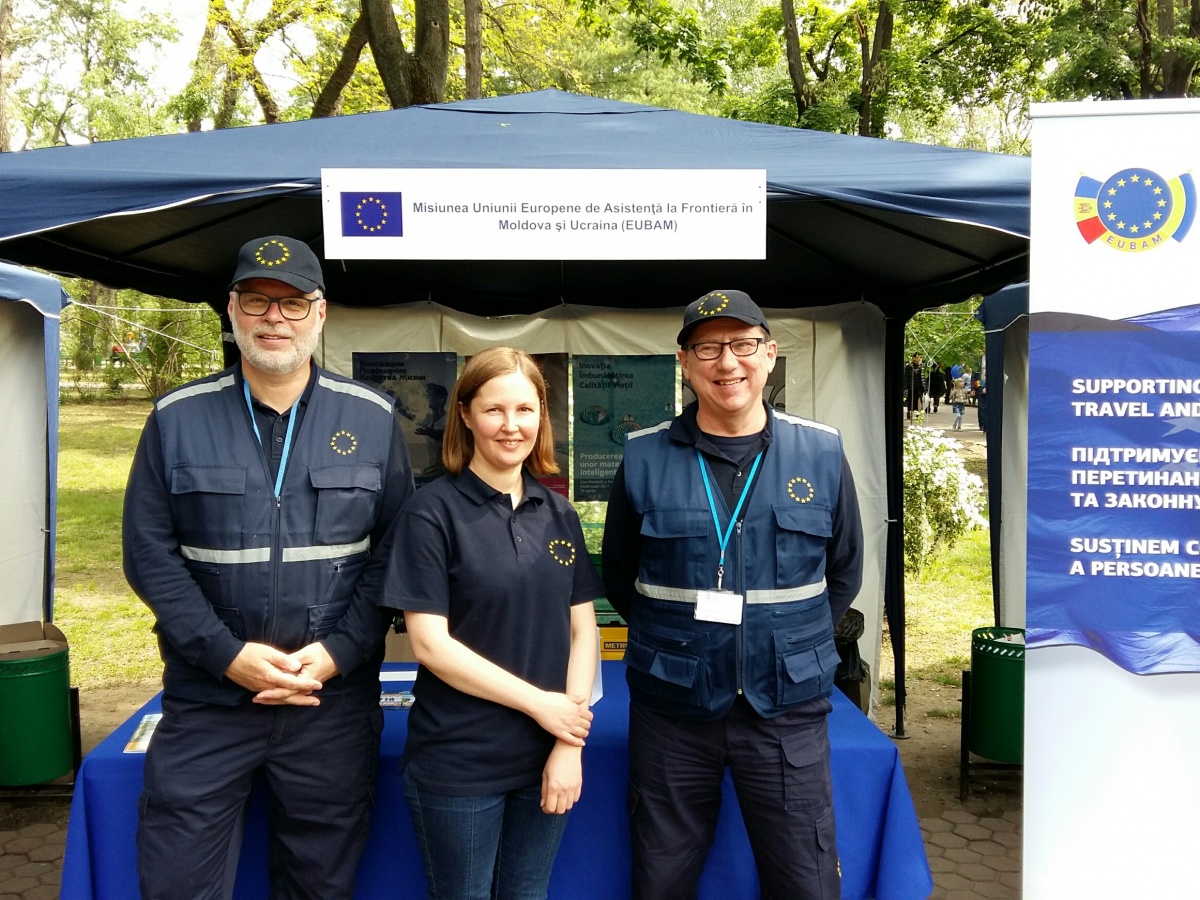
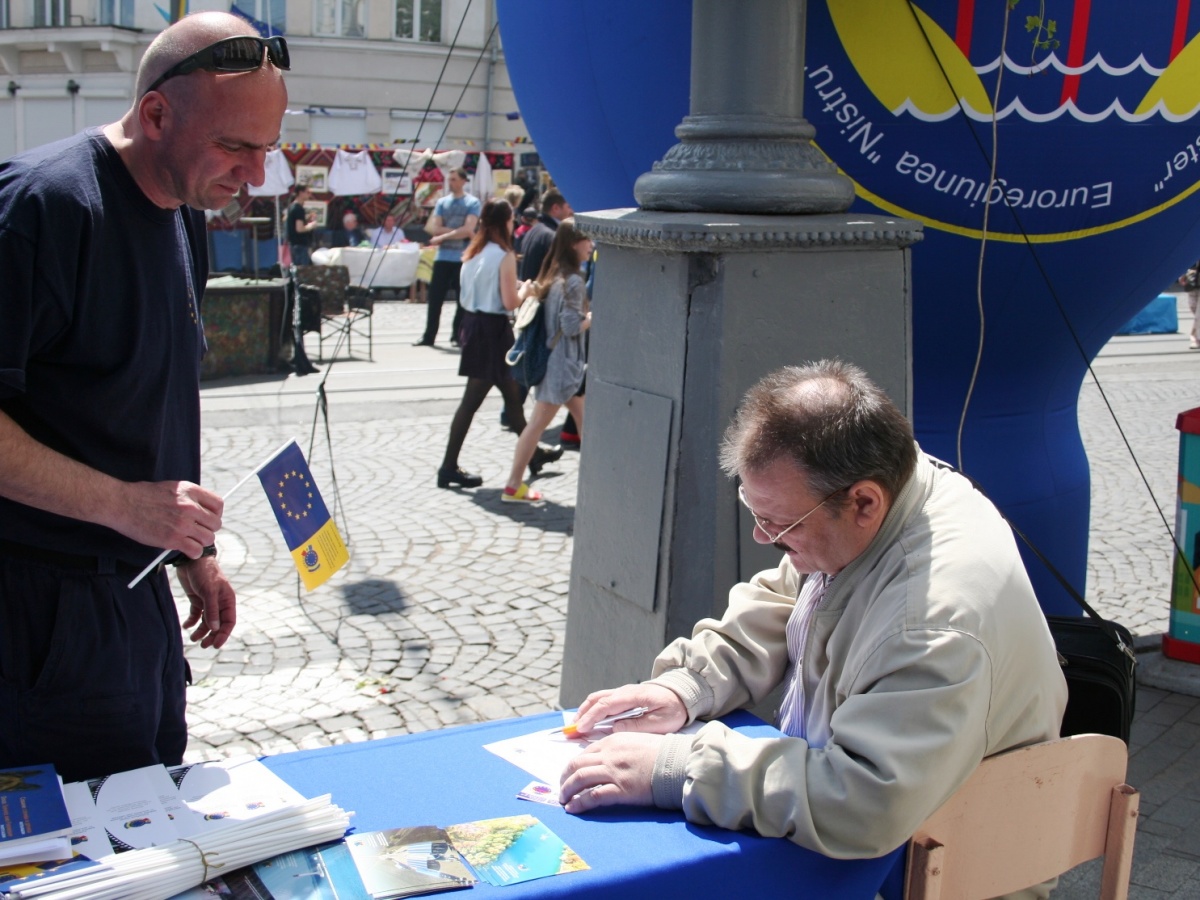
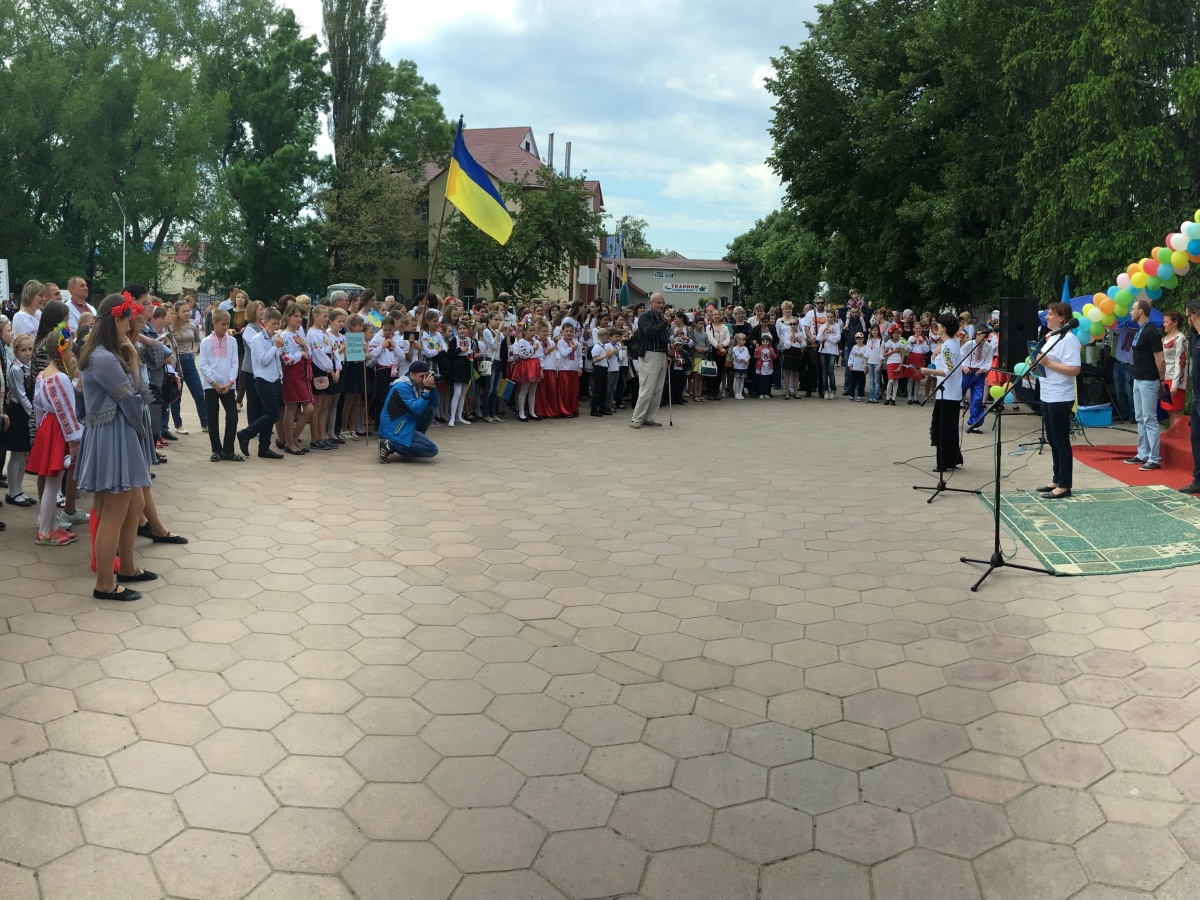
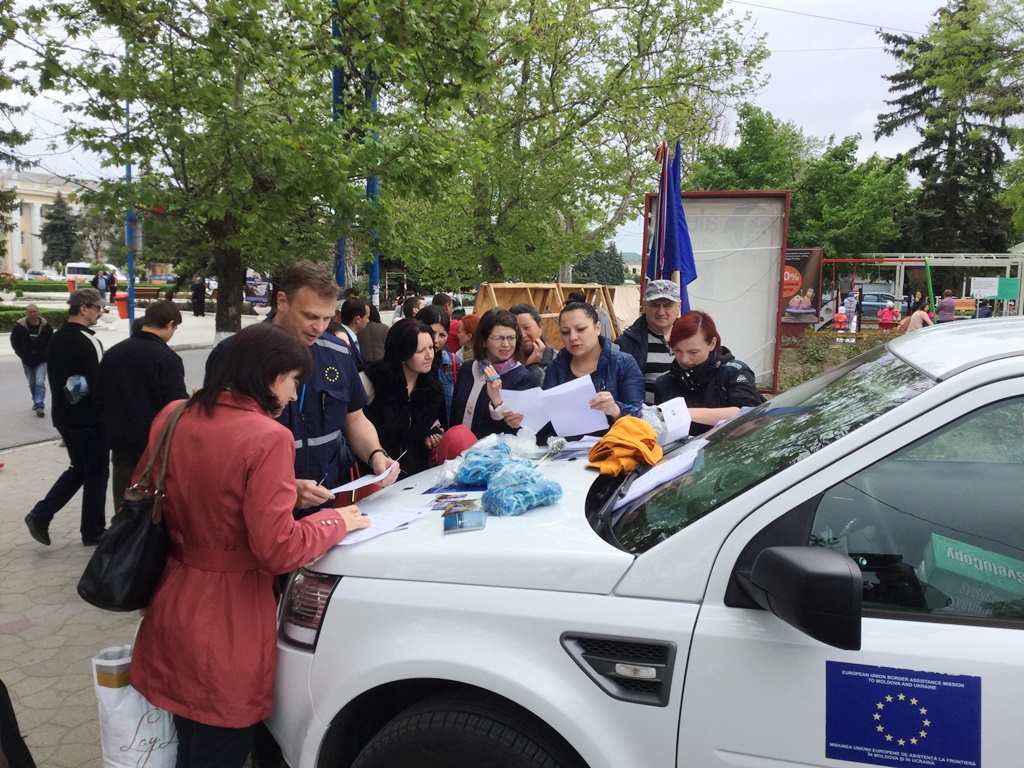
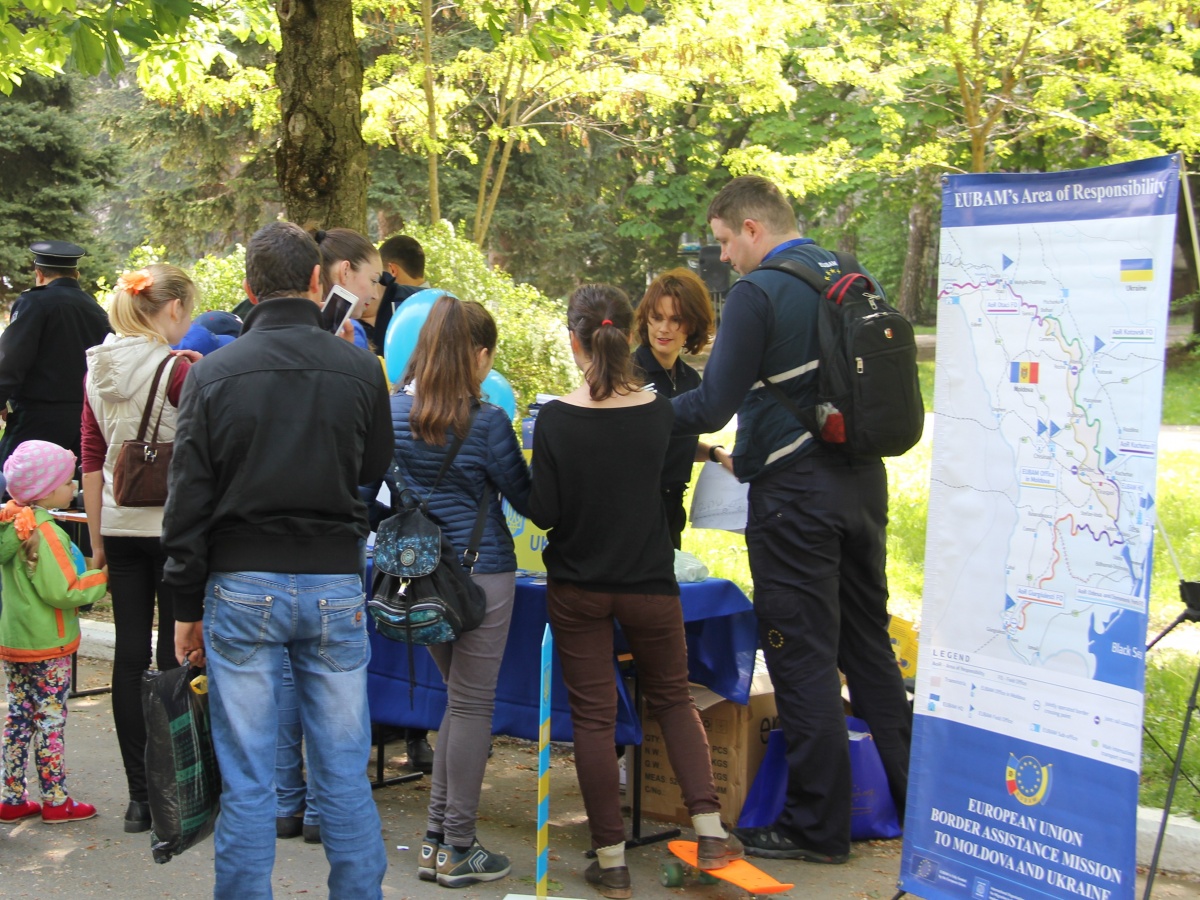
Between 3-20 May, EUBAM partnered with town and city administrations right across its area of operations in Moldova and Ukraine to celebrate Europe Day. A big thanks to all the people who came to learn about the EU and EUBAM at these events!

  • Europe Day in Chisinau was celebrated in the Europe Village set up in Stefan cel Mare park on 13 May. EUBAM’s Office in Moldova presented the Mission’s work, alongside our partners, Moldova’s Border Police and Customs Service. EUBAM experts also presented to students from Chisinau’s Financial Banking College.

EUBAM launches study of Giurgiulesti International Free Port to boost trade efficiency

Chisinau, 4 May, 2017 – Today the European Union Border Assistance Mission to Moldova and Ukraine (EUBAM) presented to the public a study on the Customs procedures at Giurgiulesti International Free Port. The study seeks to increase the trade and competitiveness of the port by recommending measures to improve the efficiency of Customs, border, phyto-sanitary and veterinary procedures.

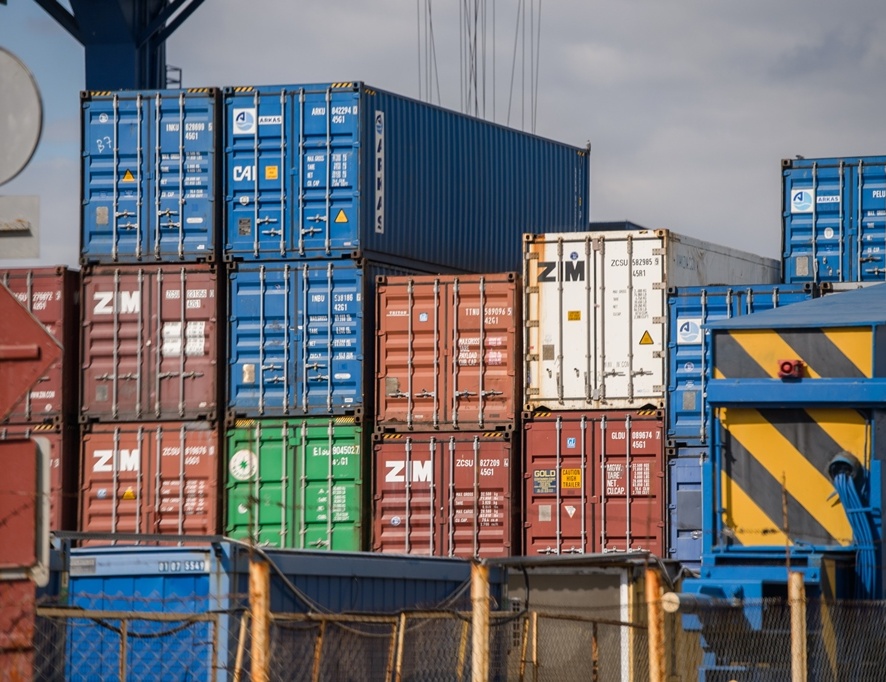
Focused on container traffic, the study reviews the work of several of the border control services charged with the clearance of cargo at the port and also identifies areas where through simplifying and modernising procedures, commercial enterprises could be expanded and international trade developed. Such efforts should not only benefit the border services but also enhance the potential for investment and commercial growth at the port.

The study was conducted in close co-operation with the Customs Service of the Republic of Moldova. Its Deputy Director, Iurie Ceban, emphasized that “trade facilitation and simplified procedures continue to represent the main objectives of the Customs Service reform agenda, which becomes a modern and proactive one. Giurgiulesti International Free Port, through its specific operations carried out in this area, represents a strategic location with an economic potential that can be constantly developed. That is why the priority of the Customs Service is the identification and implementation of the most innovative customs management tools which not only facilitate trade, but also create a competitive business environment for the residents of this area. And the recommendations made by experts in the study presented today will add value to our efforts to improve the customs clearance process in the Port.”

EU Ambassador to the Republic of Moldova, Pirkka Tapiola, mentioned during the event: “Giurgiulesti International Port constitutes a clear asset for the Republic of Moldova, in particular in the context of DCFTA implementation. I believe that we could use its potential further, and based on EUBAM’s support and recommendations, the port could maximize its capacity and efficiency.”

In highlighting the study’s importance, the Head of EUBAM, Ambassador Andrew Tesoriere noted that, “Giurgiulesti port, as Moldova’s only port accessible to seagoing shipping, matters hugely for Moldova’s longer-term prosperity. It literally puts Moldova on a wider global map. It represents a concerted effort by Moldova’s public and private sectors, with the technical support of EUBAM, to maximize the potential efficiency, performance and reputation of the Port”.

Twenty three conclusions and recommendations have been made in the study, covering five strategic areas of reform including the legal and regulatory framework, human resources, procedures, information exchange and infrastructure.  Colin Gazeley, Head of EUBAM’s Border Management Department and author of the study underlined that it “highlights reforms to procedures and processes applied by the Customs Service of the Republic of Moldova and other border control services which if implemented would significantly enhance trade facilitation at the port, producing a competitive trading environment which not only encourages business growth but also importantly does not compromise the security and integrity of the Republic of Moldova’s border.”

Giurgiulesti International Free Port is the Republic of Moldova’s only sea port, located in the southwest of the country. In recent years it has seen a significant increase in cargo throughput with 876,274 tons of bulk cargo and 757,977 tons of containerised cargo passing through the port in 2016.

This is the second port study conducted by EUBAM, following the publication of a similar assessment in 2015 of the procedures at the ports of Odesa and Chornomorsk, in collaboration with Ukraine’s State Fiscal Service of Ukraine.
 

EUBAM celebrates World Intellectual Property Day with the Moldovan Customs Service and AGEPI

EUBAM congratulates two of its key partner services, Moldova’s Customs Service and Moldova’s State Agency on Intellectual Property (AGEPI) on World Intellectual Property Day, which is celebrated today.

To mark the occasion, EUBAM is supporting both services to raise the awareness of intellectual property rights in Moldova. A public campaign, initiated together with the World Intellectual Property Organisation, has been launched on the theme of Innovation – Improving Lives. It will remind Moldovan citizens of the damage counterfeit and pirated goods can have on the development of medical, food, transport and energy innovations.

EUBAM is proud to support the campaign by printing posters and materials which are being prominently displayed throughout the country, as well as distributed at border crossing points and the administrative boundary.

AGEPI and Moldova’s Customs Service are the main government services protecting Intellectual Property Rights (IPR) in Moldova. AGEPI is responsible for promoting and enforcing the legal protection of IPR, whilst the Customs Service play an important role in identifying and detaining goods suspected of infringing IPR at the border.

In 2016, the Moldovan Customs Service seized 35 consignments of goods suspected of infringing an intellectual property right, covering 80 different rights, all being trademark infringements. 63% of seizures related to clothes, shoes, cosmetics and hygiene products, whilst perfumes and food products accounted for 23%.

According to the Organisation for Economic Co-operation and Development (OECD) and the EU’s Intellectual Property Office in  2016, imports of counterfeit and pirated goods were worth nearly half a trillion dollars, or about 2.5% of global imports.

To learn more about Intellectual Property Rights and EUBAM’s support in protecting them in Ukraine and Moldova, please visit: https://eubam.eu4moldova.eu/what-we-do/intellectual-property-rights-ipr/

Photo Competition ‘Beautiful Danube”

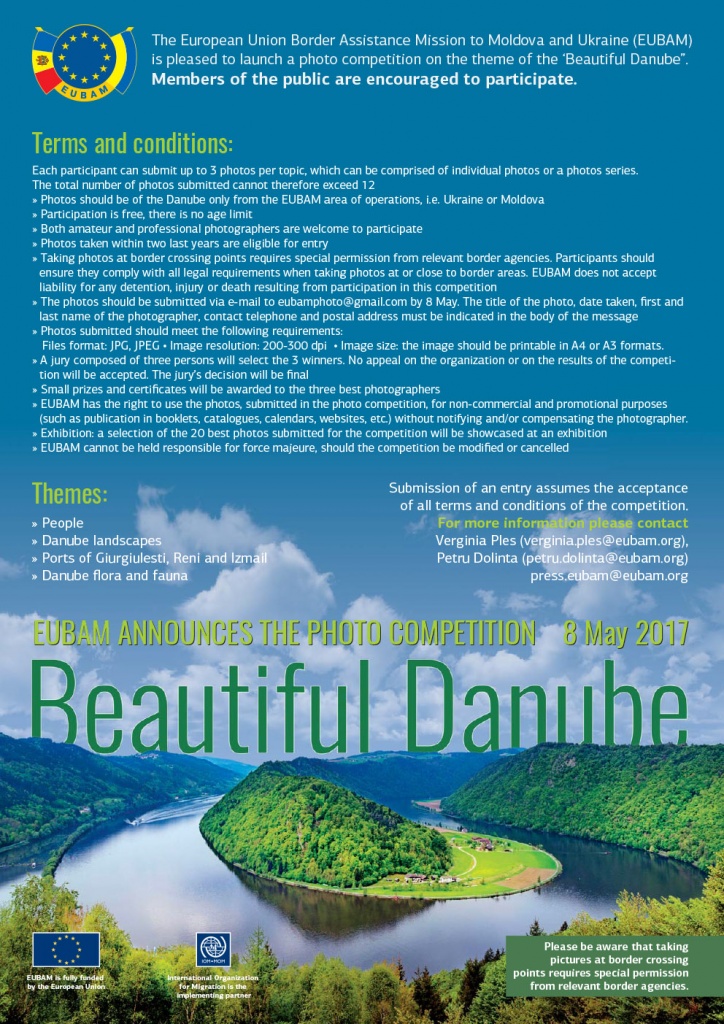
The European Union Border Assistance Mission to Moldova and Ukraine (EUBAM) is pleased to launch a photo competition ‘Beautiful Danube”. Members of the public are encouraged to participate.

Terms and conditions:

  • Each participant can submit up to 3 photos per topic, which can be comprised of individual photos or a photos series.
  • Photos should be of the Danube only from the EUBAM area of operations, i.e. Ukraine or Moldova
  • Participation is free, there is no age limit.
  • Both amateur and professional photographers are welcome to participate.
  • The photos should be submitted via e-mail to eubamphoto@gmail.com by 8 May.


Themes:

  • People
  • Danube landscapes
  • Ports of Giurgiulesti, Reni and Izmail
  • Danube flora and fauna


Please follow the link to learn more about the competition

Photo_danube_engl

Photo_danube.ai

EUBAM facilitates EU experience on Customs Guarantees for Moldovan and Ukrainian Customs Officers

EU experiences on Customs Guarantees were showcased during a series of trilateral meetings between Moldova’s Customs Service, Ukraine’s State Fiscal Service and the Customs Administration of the Czech Republic held in April. Czech legislation and practical implementation of Customs Guarantees were explained to seven Moldovan and Ukrainian officials during briefings in Prague and Ceske Budejovice, with demonstrations of the Customs Guarantee IT module and practical examples of guarantees given. The visit was conducted in conjunction with the European Commission’s DG TAXUD, with financial support from the EU’s “Customs 2020” Programme.

This experience-sharing event was initiated by EUBAM following its 2016 evaluation of Customs practices in Moldova and Ukraine which revealed that this issue requires further efforts to integrate it as an essential part of Customs practice. Indeed, the Customs guarantee management system is one of the most important requirements for the full introduction of simplified procedures, deferred payment of Customs debt and other modern Customs instruments, including post clearance audit. Several follow-up activities were agreed and EUBAM will continue providing assistance to both partner services in the coming months.

EUBAM fosters dialogue between phytosanitary experts from both sides of Dniester River

On 30-31 March in Chisinau, EUBAM brought together phytosanitary experts from both banks of the Dniester River in a workshop to learn about international and EU phytosanitary trade and control standards. The workshop continued the joint initiative began in November 2016 and concluded with an intention to schedule further practical events, field visits and site inspections.

Lack of compliance with EU phytosanitary safety standards was identified by the Moldovan stakeholders as one of the main deterrents to agricultural exports to the EU, and the workshop sought to address the obstacles to achieving compliance. The event also contributed to confidence building between Chisinau and Tiraspol.

EU phytosanitary experts from Poland and Hungary briefed the participants on the functioning of plant health at international and EU levels, new EU plant health legislation, reduced frequency of import checks, as well as giving a presentation on the EUROPHYT and TRACES systems.

EUBAM helps Ukrainian partners to meet Association Agreement commitments

On 27-31 March in Odesa, Ukraine’s State Fiscal Service and EUBAM agreed on measures and clear timelines for the development of legislative amendments to align post-clearance audit provisions with EU standards. This is part of EUBAM’s wider support to the State Fiscal Service in approximating Customs legislation and procedures with the requirements of the EU-Ukraine Association Agreement.

The agreement was reached during the sitting of EUBAM’s Post Clearance Audit working group which involved post-clearance auditors and methodology and customs payments specialists from Ukraine’s State Fiscal Service. During the meeting, participants had an opportunity to learn from Finish and Lithuanian Customs experts about EU Post Clearance Audit best practices, including on legislation, powers and obligations of auditors and auditees. Representatives of European Union Advisory Mission also attended the meeting.

Post Clearance Audit is one of the most important instruments of customs control. It balances trade facilitation measures with appropriate checks to prevent risks caused by violation of customs rules. EUBAM, in cooperation with the European Commission’s DG TAXUD, have consistently supported the efforts of Ukraine’s State Fiscal Service in its commitment to apply modern customs techniques, including risk assessment, post clearance controls and company audit methods to simplify and facilitate the entry and release of goods, as stipulated in the EU-Ukraine Association Agreement.

Meet our staff: Aneta Bobeva, Specialist on Classification & Origin of Goods

Before coming to the Mission I worked for Bulgaria’s National Customs Agency for twenty three years, dealing with the classification and origin of goods. I’m happy to share my experiences because Bulgaria passed through similar learning stages of the preferential trade arrangements with the EU that Moldova and Ukraine now go through.

In my job I advise the Customs services of both countries on origin and classification of goods. The rules of origin are a basic element of the trade relations between the EU and Moldova and Ukraine. The Deep and Comprehensive Free Trade Areas (DCFTAs) provide for mutual opening of markets for goods at lower or zero rates of duties and the rules of origin set the conditions to be met so that the goods can receive this preferential treatment. That’s why it is very important for both countries to correctly understand the legislation, to apply it, and to organise the process in such a way that Customs really do what the DCFTA requires from them.

The DCFTAs have led to increased responsibilities for the Customs services. For instance, for Ukraine a brand new Customs activity has been to issue certificates of origin at export, which was previously done by the Chamber of Commerce. There was quite a lot of excitement beforehand, a bit of fear also, but Ukraine’s Customs were well prepared and in the end it was done successfully. This is a really major achievement.

EUBAM’s big advantage is that we are permanently based in Moldova and Ukraine. We know how practices work, how they should be improved and assist on a daily basis whenever advice is needed. The rewarding part is to see that some regulations have been adopted, that some practices are already enforced, that changes are actually happening.

Of course, there have been challenges and a lot of work remains to be done to fulfil the DCFTAs’ potential. If the expectation is that you’ll get something without making the effort then there will be disappointment. Progress is being made but from a consumer’s point of view, perhaps not all of the benefits of the DCFTAs have been realised yet. But if there is enough will to create equal, consistent and predictable conditions, then it surely will be visible.

EUBAM presents its Annual Report 2016

EUBAM is pleased to launch its latest Annual Report covering December 2015 to November 2016. It highlights the Mission’s support to the achievements made by our partner services over that period, as well as EUBAM’s prominent ongoing activities on promoting Integrated Border Management, facilitating trade, combating cross-border crime and supporting confidence-building measures across the Dniester River. The Mission thanks all those who contributed to the report, especially Moldova’s Border Police and Customs Service, as well as Ukraine’s State Border Guard Service and State Fiscal Service.

Download EUBAM Annual report:

Report_2016_ENG


EUBAM month in pictures: February 2017

A photo overview of EUBAM’s work, conducted in February 2017 jointly with Moldovan and Ukrainian partners.

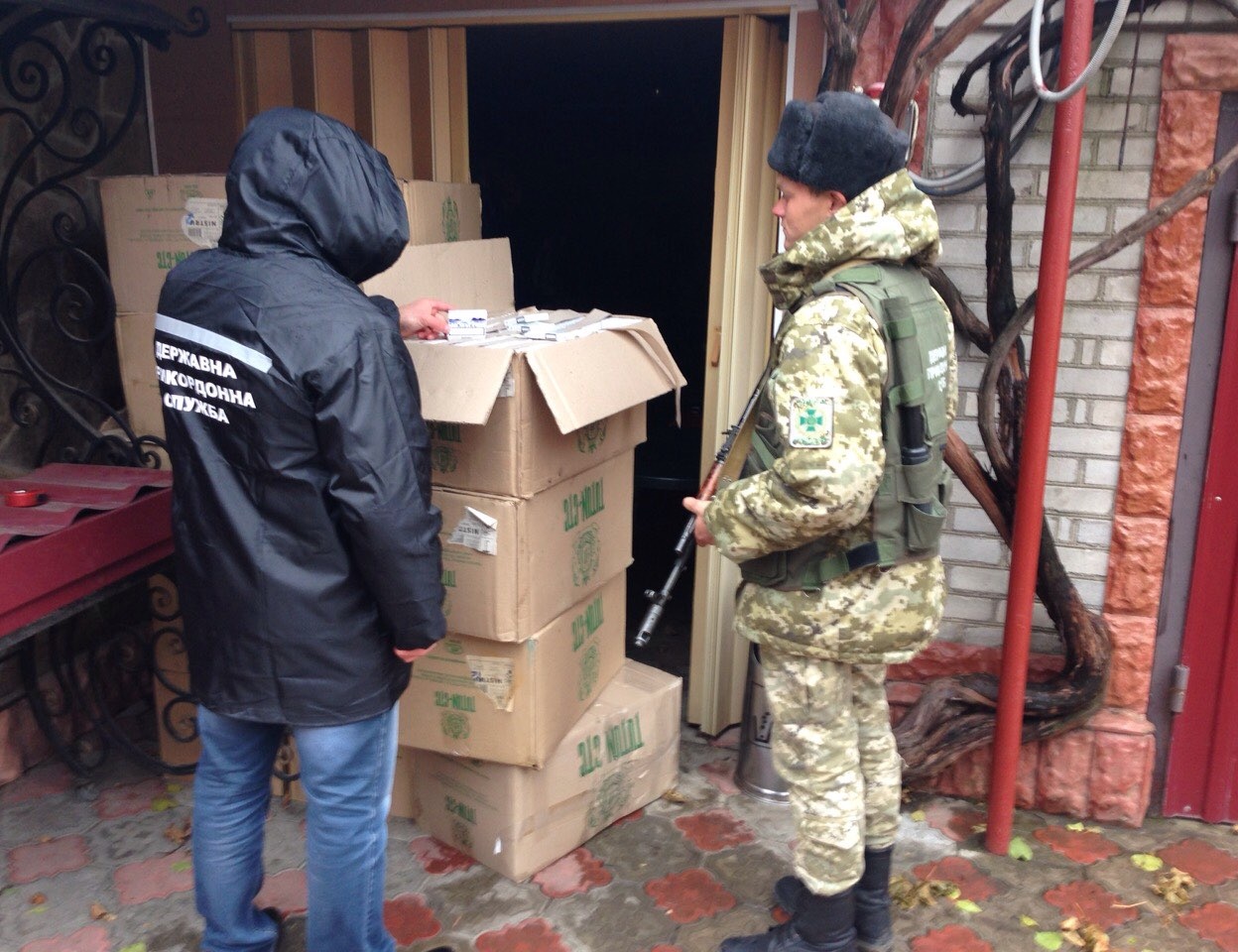
  • At the beginning of February, EUBAM and its four partner services analysed the cross-border trends as part of the 2016 Annual Common Border Security Assessment Report (CBSAR). According to the joint analysis, passenger and vehicle flow increased by 3% and 14% respectively in comparison with 2015, whilst the number of refusals of border crossing decreased by 7%. Smuggling cases in general increased by 7%, whilst the value of smuggled goods decreased by 2.2 times. EUBAM’s Field Offices work closely with Moldova’s Border Police and Ukraine’s State Fiscal Service to improve the effectiveness of green border surveillance and patrolling to counteract smuggling.

‘Modern women at the modern border’ photo competition results

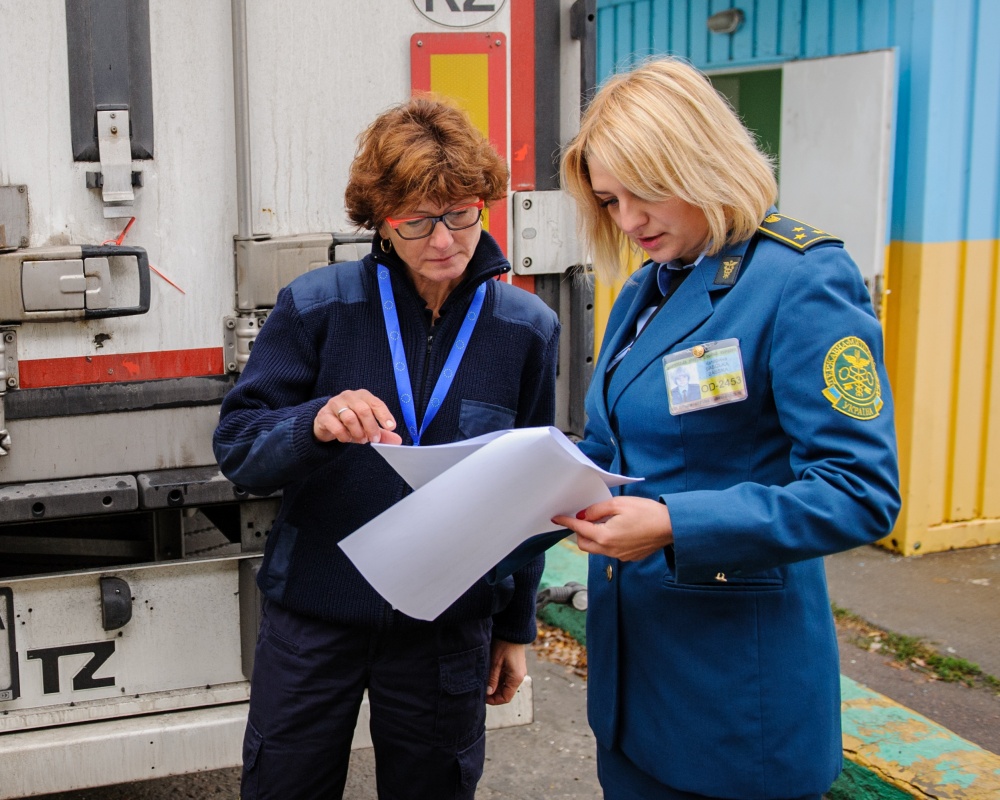
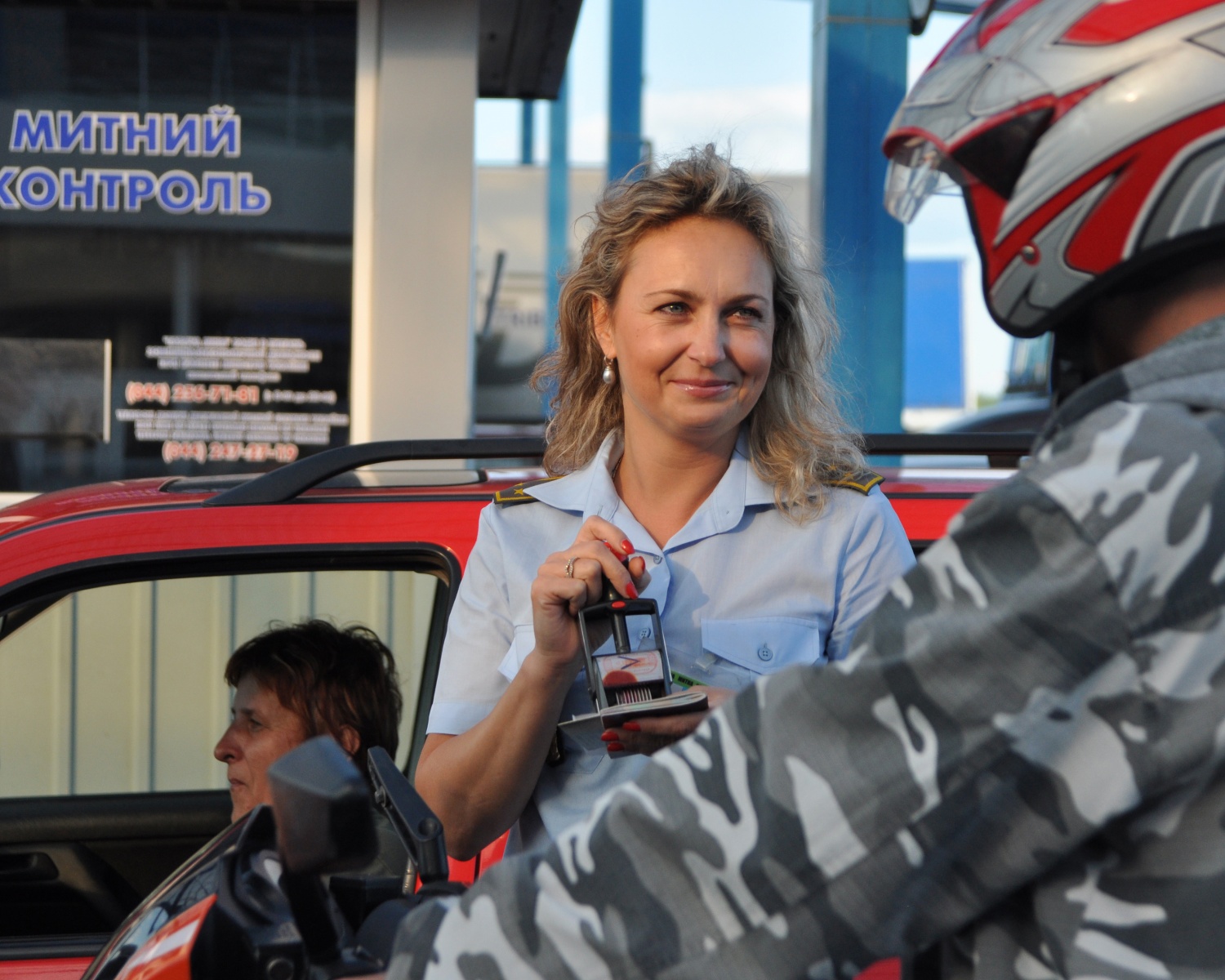
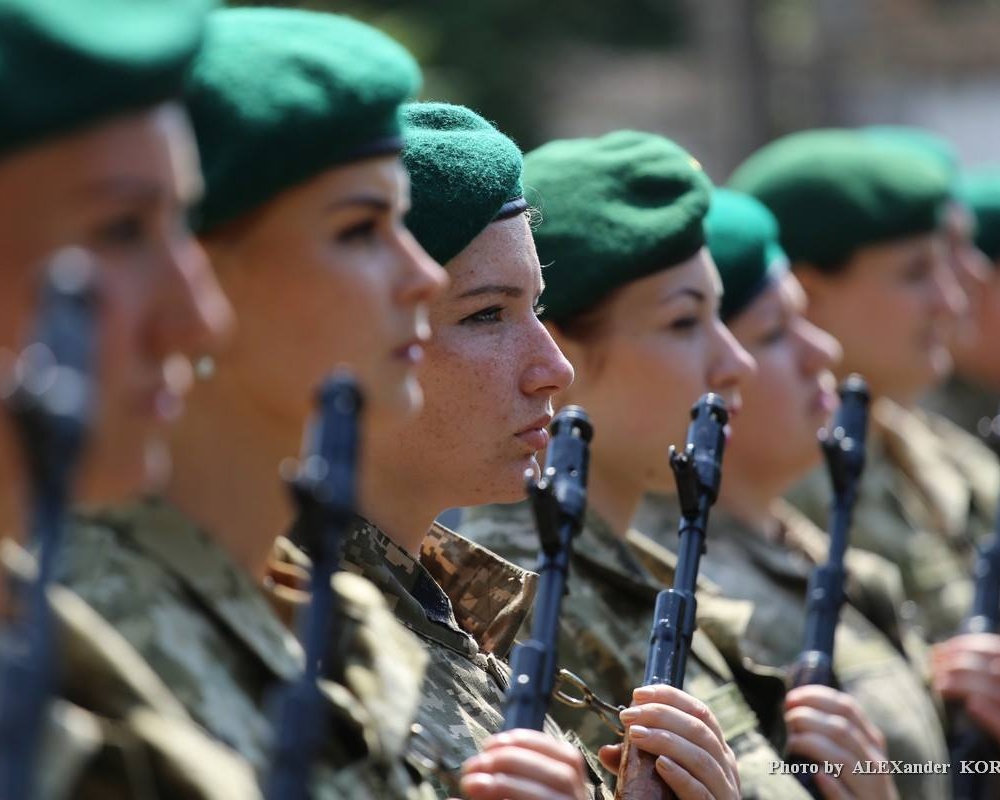
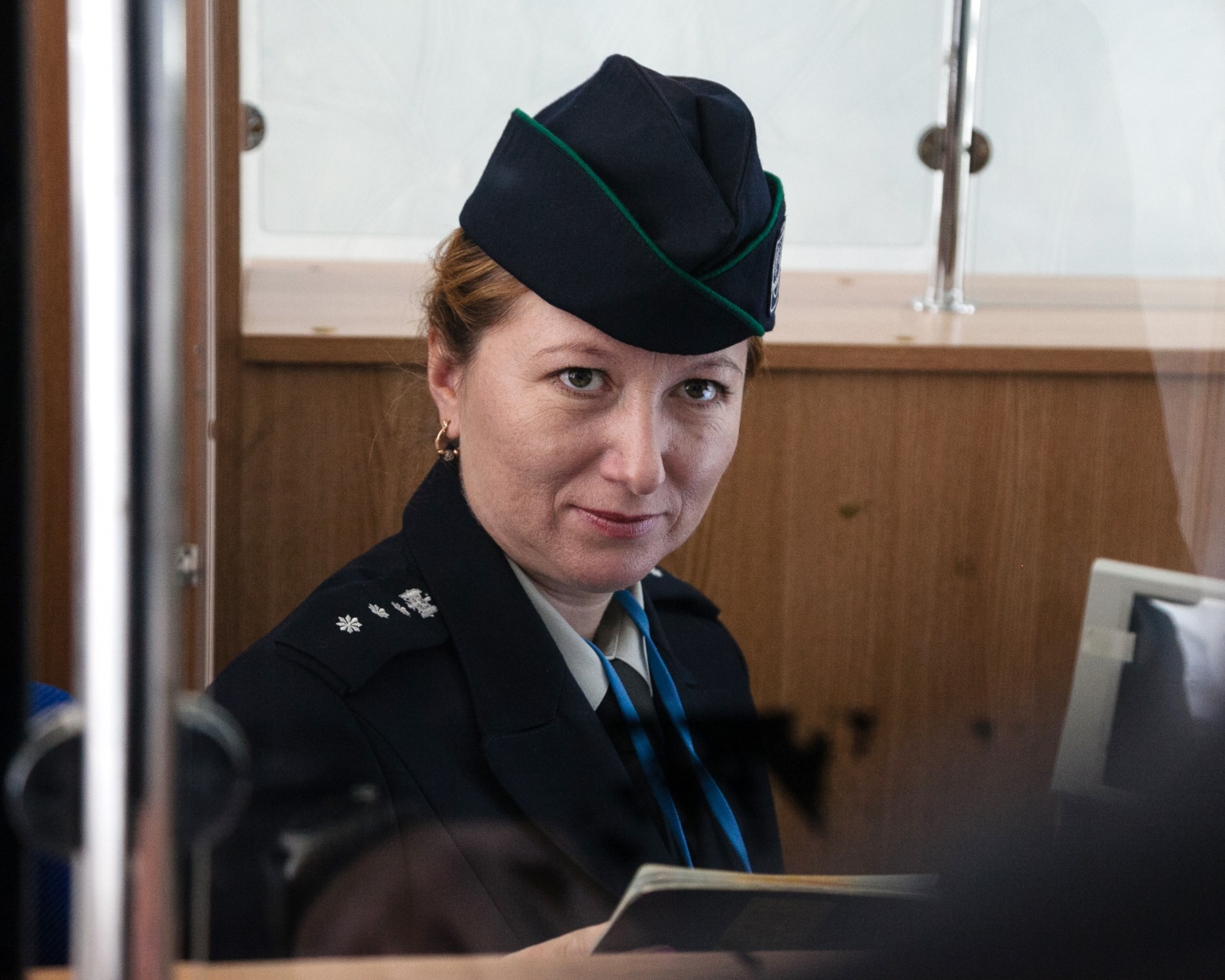
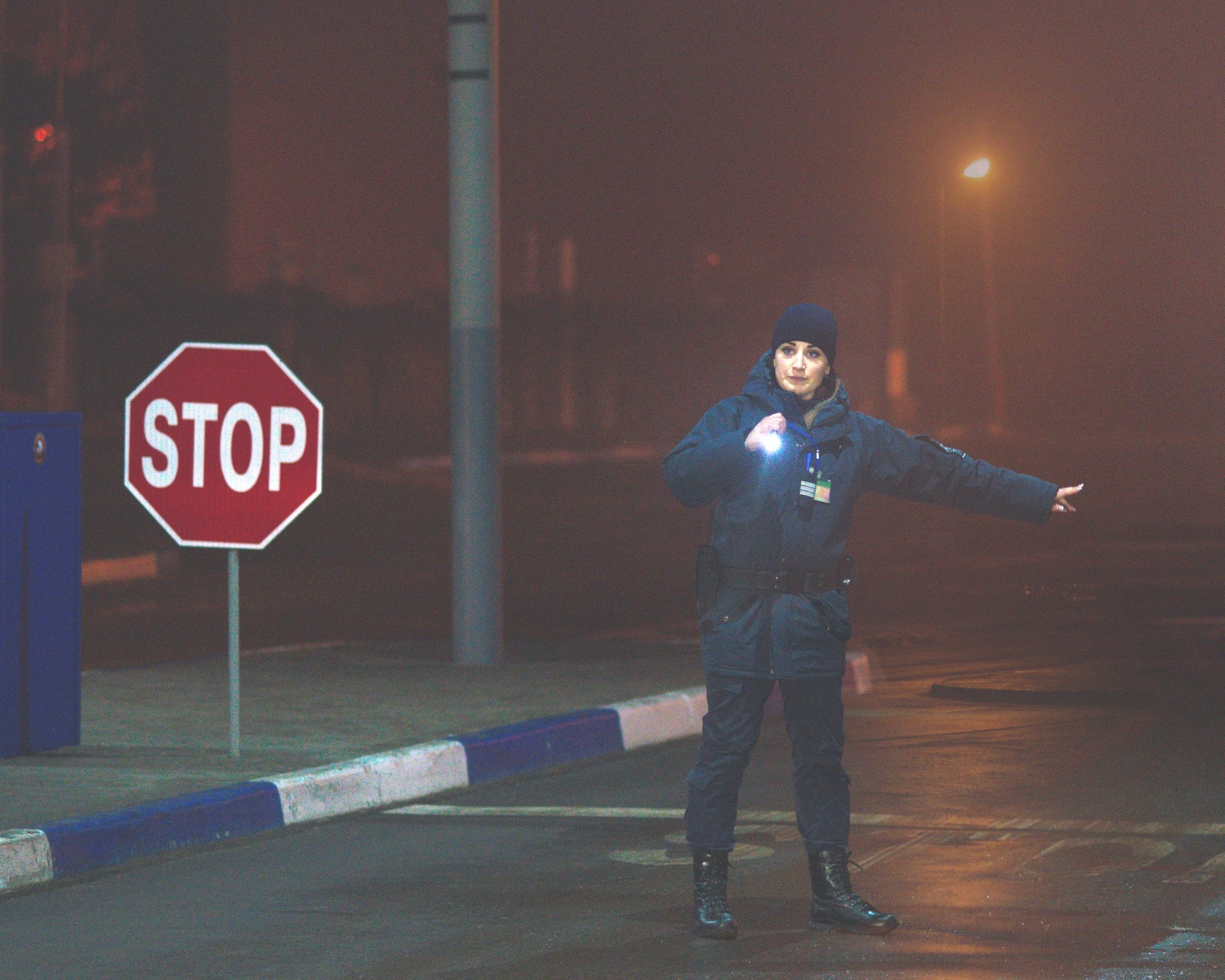
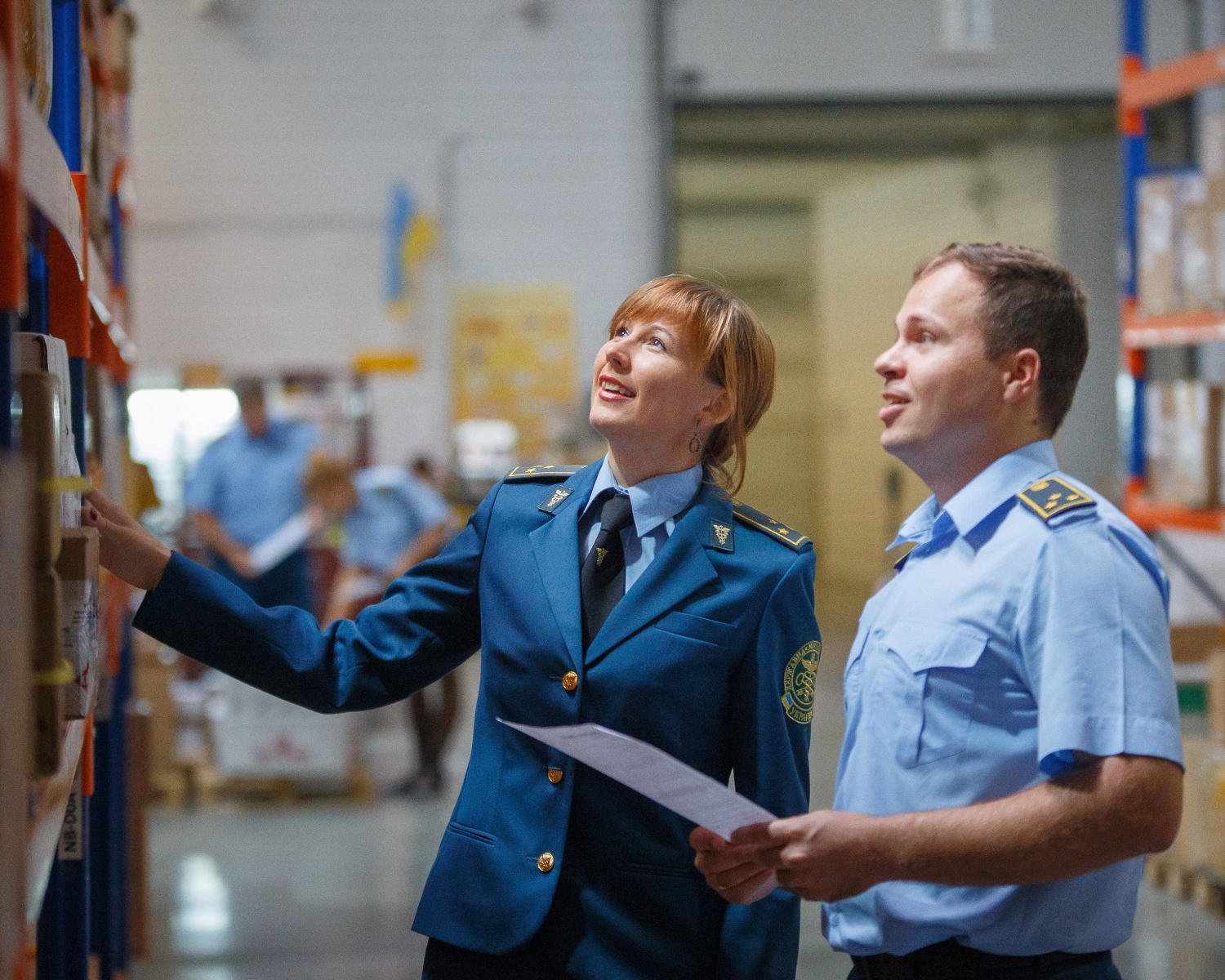
In celebration of International Women’s Day, EUBAM launched a photo competition to depict the important roles women play today within the Border and Customs agencies of Moldova and Ukraine. Female staff constitute 27% of all personnel across EUBAM’s four partner services. Yet the photographs testify that in today’s modern border and customs agencies women play an equally important part in their functioning; at the border, at inland clearance posts, in enforcement roles, and in highly-skilled, technical support functions.

The competition was conducted in conjunction with the Moldovan Border Police and Customs Service, as well as the State Border Guard Service and State Fiscal Service of Ukraine. The three best photos from each country were selected, with representatives of EUBAM and the four partner services jointly choosing the winning entries. 195 photos were submitted from across Ukraine and Moldova, depicting female Border and Customs Officers as well as women crossing the border.

The winning entries were selected based on their photographic merit and portrayal of the wide variety of responsibilities undertaken. EUBAM hopes that this photo competition will help to acknowledge the commitment and skills of female Border and Customs Officers in both Moldova and Ukraine in maintaining secure borders and facilitating efficient trade and travel.

  • Photographer: Ivan Rusanov

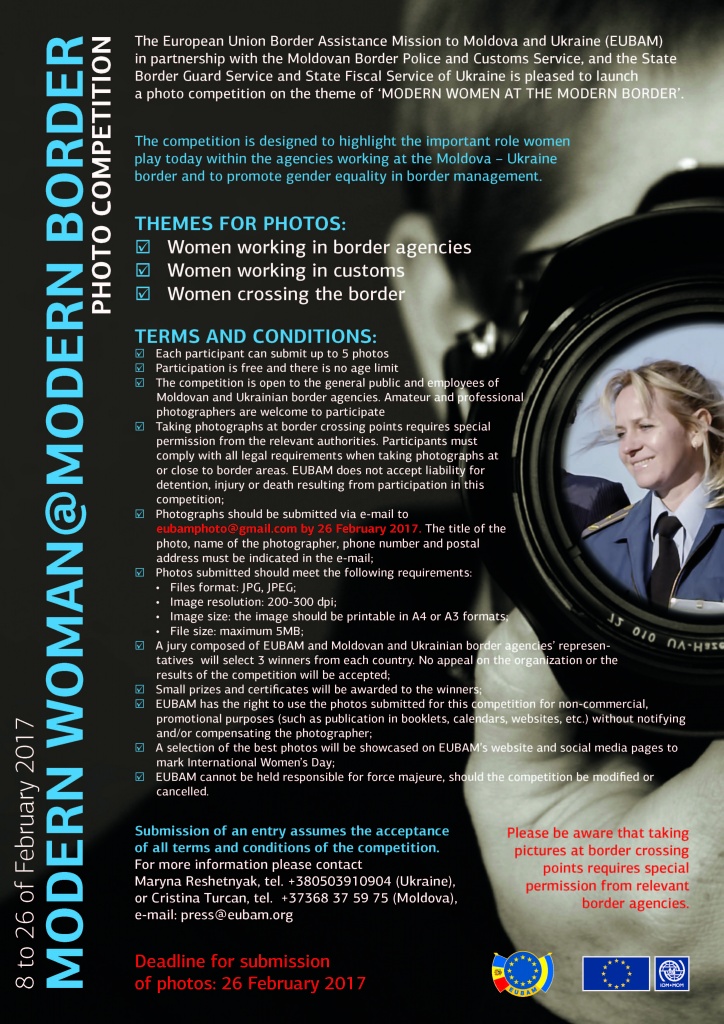
Photo competition ‘MODERN WOMEN AT MODERN BORDER’

The European Union Border Assistance Mission to Moldova and Ukraine (EUBAM) in partnership with the Moldovan Border Police and Customs Service, and the State Border Guard Service and State Fiscal Service of Ukraine is pleased to launch a photo competition on the theme of ‘MODERN WOMEN AT THE MODERN BORDER’.

The competition is designed to highlight the important role women play today within the agencies working at the Moldova – Ukraine border and to promote gender equality in border management.

Themes for photos:

  • Women working in border agencies
  • Women working in customs
  • Women crossing the border

Photographs should be submitted via e-mail to eubamphoto@gmail.com by 26 February 2017.

Please follow the link to learn more about the competition:

Photo_ENGL (5)

Photo_ENGL (5)

EUBAM month in pictures: November

A photo overview of EUBAM’s activities, conducted in November 2016 with Moldovan and Ukrainian partners, featuring 3rd Annual Trade Facilitation Working Group Meeting, 27th Advisory Board Meeting and more.

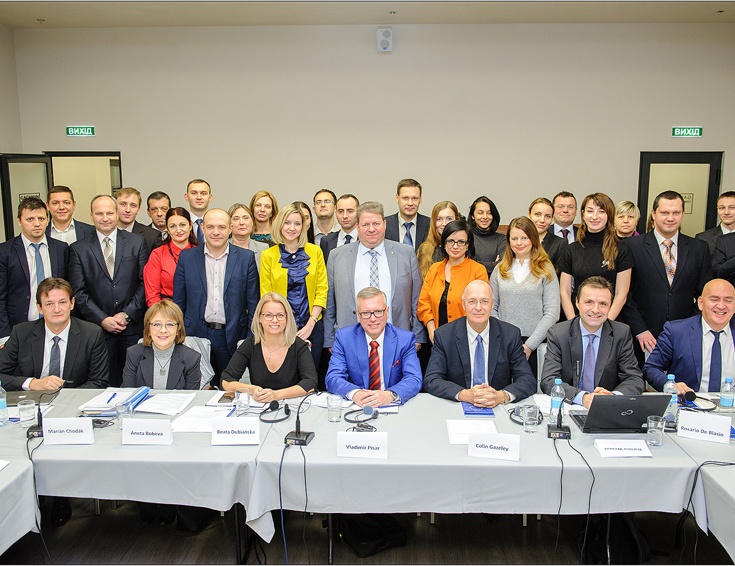
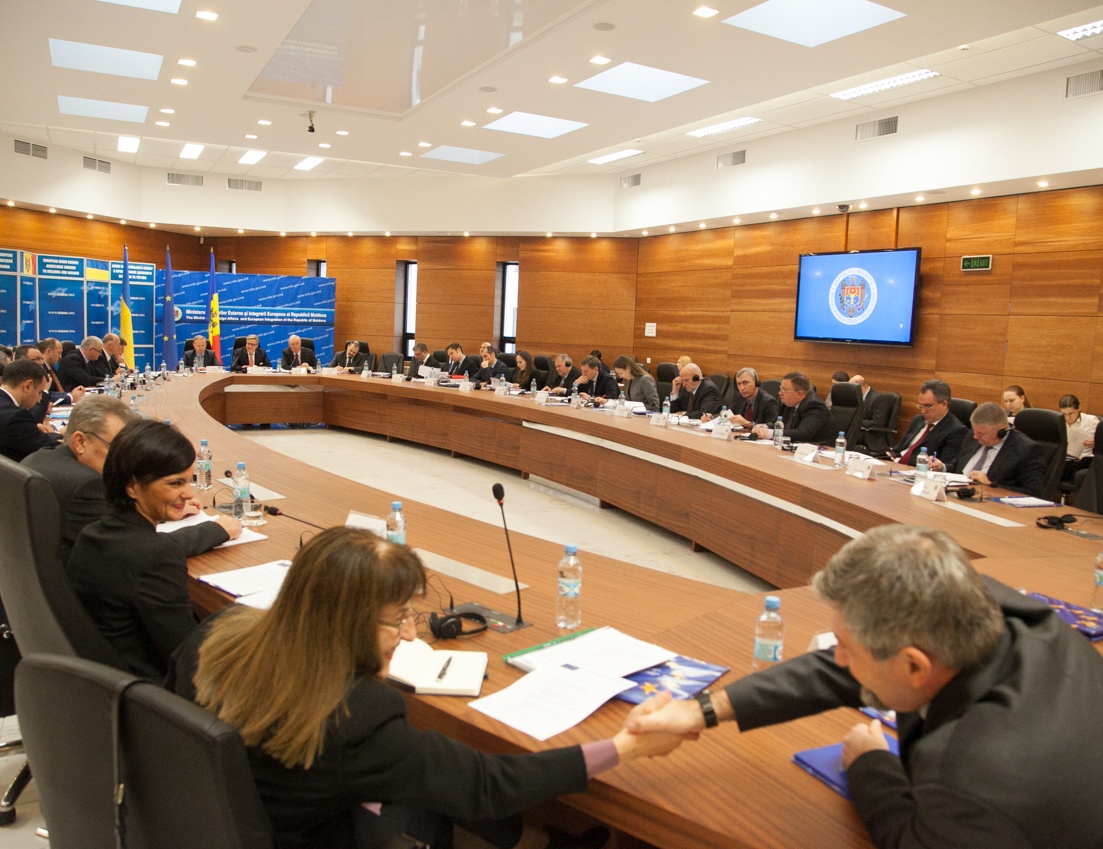
  • The 3rd Annual Trade Facilitation Working Group Meeting, organised by EUBAM, resulted in a number of recommendations for both Moldova’s Customs Service and Ukraine’s State Fiscal Service on the implementation of the AA/DCFTAs in both countries and barriers to international trade in both countries. The meeting brought together representatives of business and the Customs agencies of Moldova and Ukraine, as well as DG TAXUD.


Law enforcement agencies deepen cooperation to combat trafficking of arms and nuclear materials

A workshop on firearms, nuclear and radiological materials trafficking within the EU, Ukraine and Moldova took place in Odesa on 2 December. The event was jointly organised by the EU Border Assistance Mission to Moldova and Ukraine (EUBAM) and EUROPOL, and brought together representatives of the law-enforcement agencies of the two countries, as well as Frontex, EFE (European Firearms Experts), EMPACT driver – Spain, Ministry of Administration and Interior of Romania and the UK National Crime Agency.

The event provided the opportunity to share information and exchange best practices, as well as to develop the essential contacts needed between EUBAM’s national partners and EU law-enforcement structures.

Razvan Budeanu, Head of EUBAM’s Field Operations said: “Firearms, nuclear and radiological materials smuggling is one of the most serious risks to the security at the Moldova-Ukraine border. Tackling this illegal activity requires a highly collaborative approach of the Moldovan and Ukrainian law enforcement agencies, with direct operational support from all international organisations active in this area.”

Working together – at the national, bilateral and international level – is a key to a co-ordinated and coherent approach that should deliver results for Moldova, Ukraine and EU Member States. EUBAM initiatives support this interaction, and the Mission’s activities focus on assisting the law-enforcement agencies of Moldova and Ukraine in strengthening their capacities to identify, detect, seize and investigate illicit trafficking of weapons, radiological and nuclear materials.