EUBAM supports reduction of trade barriers

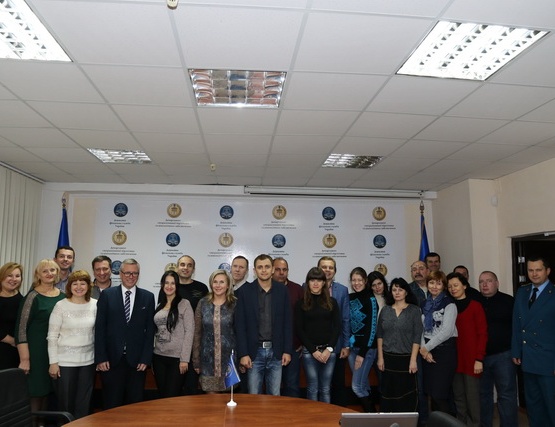
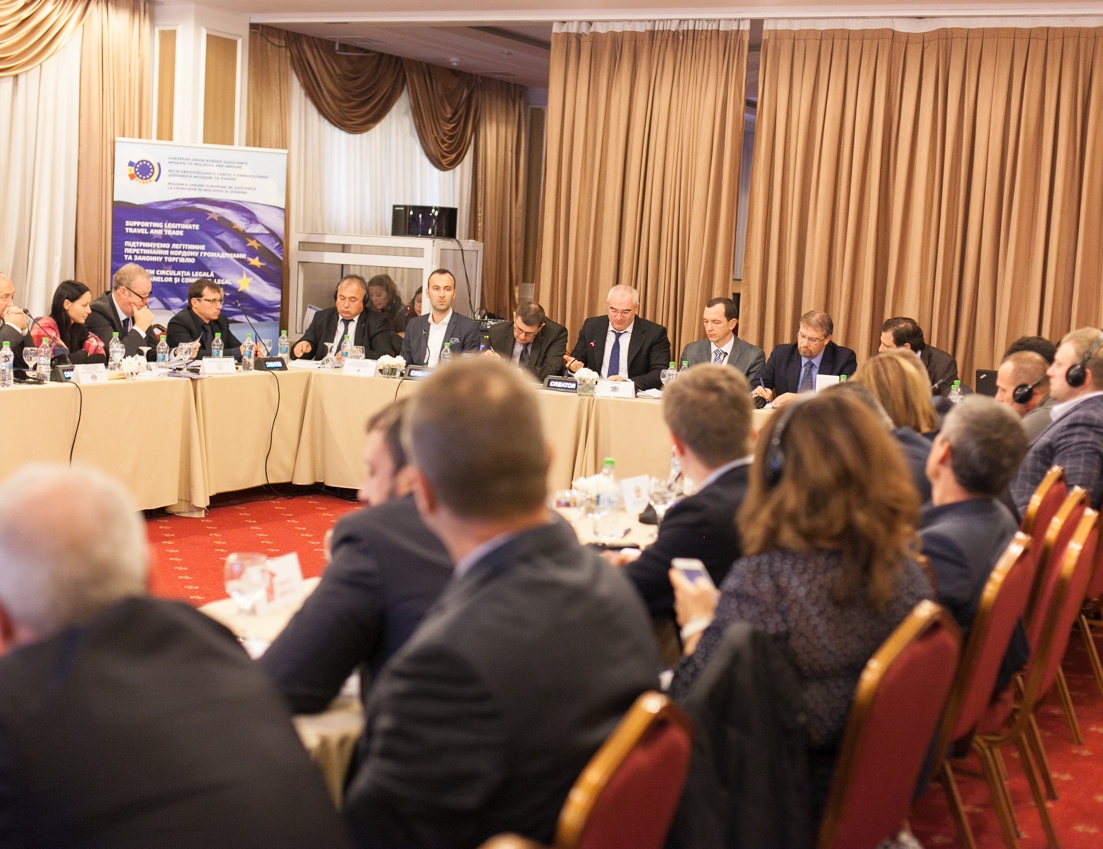
On 23-24 November EUBAM hosted the 3rd Annual Trade Facilitation Working Group Meeting in Odessa. The meeting brought together representatives from the Customs agencies of Moldova and Ukraine, European Commission’s Directorate-General for Taxation and Customs Union (DG TAXUD), EU member states, Chambers of Commerce and business communities. Barriers in international trade and implementation of the customs part of the EU – Moldova and EU – Ukraine Association Agreements, including DCFTAs were focused on.

The participants learned about modern customs instruments, identified gaps in the implementation of the Association Agreements and DCFTA and discussed possible solutions. The meeting resulted in a number of recommendations on improvement of the customs processes and procedures related to the Authorized Economic Operator program, export/import fees and charges, guarantee management, rules of origin, simplified procedures and post clearance control and audit.

The Trade Facilitation Working Group was established jointly by EUBAM and DG TAXUD.  The Working Group serves as a discussion forum for customs authorities, business and EU entities. The Working Group’s activities are aimed at minimizing customs barriers in international trade according to EU and international standards.

EUBAM Advisory Board appreciates the joint initiatives between the Republic of Moldova and Ukraine and the Transnistrian conflict settlement efforts

Chisinau, 21 November 2016 – EUBAM’s 27th Advisory Board Meeting ended on Monday after appraising the strengthened legislative framework aligned to EU standards and cross-border co-operation between the Republic of Moldova and Ukraine. Ongoing confidence building measures related to the Transnistrian settlement process were also assessed. The meeting focused on the reforms still requiring support beyond the end of EUBAM’s current mandate in November 2017.

Chairman of the Advisory Board, EU Ambassador to the Republic of Moldova, Pirkka Tapiola said: “Taking into account the mandate of EUBAM is expiring on 30 November 2017, a process of consultations on the future of EUBAM was launched during the last Advisory Board Meeting in Odessa. Given the current geopolitical context, the challenges related to border and customs management, as well as the security situation, a general consensus emerged on the need for the EU to maintain its presence on the borders of this region”.

Deputy Head of the Delegation of the European Union to Ukraine Thomas Frellesen noted: “Apart from the technical assistance provided through EUBAM, the European Union in Ukraine this year started two Integrated Border Management twinning projects with the State Fiscal Service and the State Border Guard Service. This assistance landscape now allows EUBAM to focus more on its core mandate on Transnistria – a highly unusual border challenge where EUBAM knowledge is unique.”

The Head of EUBAM Ambassador Andrew Tesoriere said: “2016 has witnessed more joint projects being developed between our Moldovan and Ukrainian partners, which will improve the security of the common border and facilitate trade and travel. The Mission’s evaluation of border and customs controls this year has highlighted the achievements of our partners, and helped to clarify the challenges to be addressed. I look forward to EUBAM supporting the ongoing reforms of our Moldovan and Ukrainian partners as the Mission moves into the second year of its current mandate”.

Daniela Morari, Deputy Minister of Foreign Affairs and European Integration of the Republic of Moldova

noted: “We are at half way of the 11th phase of activity of EUBAM and I am pleased to notice that, up to now, the Mission contributed significantly to strengthening the institutional capacities of customs and border police of the Republic of Moldova and Ukraine – capacities that enable reforms and the implementation of commitments taken under the Association Agreements, including the component regarding the Deep and Comprehensive Free Trade Area. In this context, I express my satisfaction with the willingness expressed by the European partners to continue to support the activities of EUBAM after November 2017, i.e. after the end of the current mandate of EUBAM. Strengthening regional security through active contribution to the settlement of the Transnistrian conflict, efficient organization of integrated management at the Moldovan-Ukrainian border and combating smuggling and cross border crime remain the priority”.

Serhii Saienko, Deputy Director-General, Directorate General for the European Union, Ministry of Foreign Affairs of Ukraine appreciated that the EU presence in the field and on the borders, including the Ukrainian-Moldovan border, should be retained. Through active EU involvement within the framework of the strategic course of Ukraine’s European integration, the border and customs services have been effectively reformed and the capacities of law enforcement agencies and regulatory bodies in both Ukraine and the Republic of Moldova have been strengthened, which played a positive role in the region.

Mr Saienko said: “We should benefit from the experience gained and lessons learned by EUBAM, taking into account the current security challenges. Thus, we could consider replicating the existing EUBAM experience in other segments of the Ukrainian state border. If extended, the new EUBAM mandate could be focused mainly on issues related to the Transnistrian segment of the Ukraine-Moldova border and, if necessary, Integrated Border Management in the Republic of Moldova”.

The Board appreciated the joint evaluations on border and customs controls in the Republic of Moldova and Ukraine as a valuable indicator of progress made by partner services in the implementation of Integrated Border Management principles and customs commitments stemming from the Deep and Comprehensive Free Trade Areas. EUBAM’s continued contribution to enhance co-operation between Chisinau and Tiraspol with technical proposals and confidence building measures was also acknowledged.

Following the Advisory Board, experts from the Republic of Moldova and Ukraine’s border and customs agencies, the European Union Delegations and EUBAM held a technical meeting on the findings of the joint evaluations on border and customs controls in the Republic of Moldova and Ukraine, the establishment of Jointly Operated Border Crossing Points and the progress made by both countries in the area of trade facilitation measures.

The Advisory Board Meeting brought together representatives from the Foreign Ministries, border, customs and law enforcement agencies of the Republic of Moldova and Ukraine, the European Union Delegations to the Republic of Moldova and Ukraine, the European External Action Service, the International Organization for Migration, the Organisation for Security and Co-operation in Europe and UNDP. It will meet again in Odessa in May 2017.


EUBAM month in pictures: October 2016

A photo overview of EUBAM’s activities, conducted in October 2016 with Moldovan and Ukrainian partners.

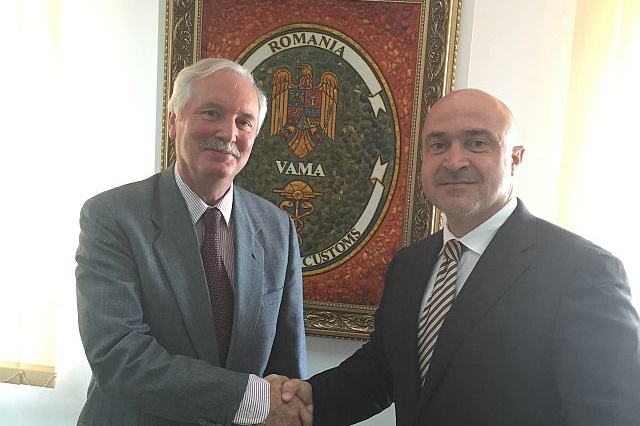
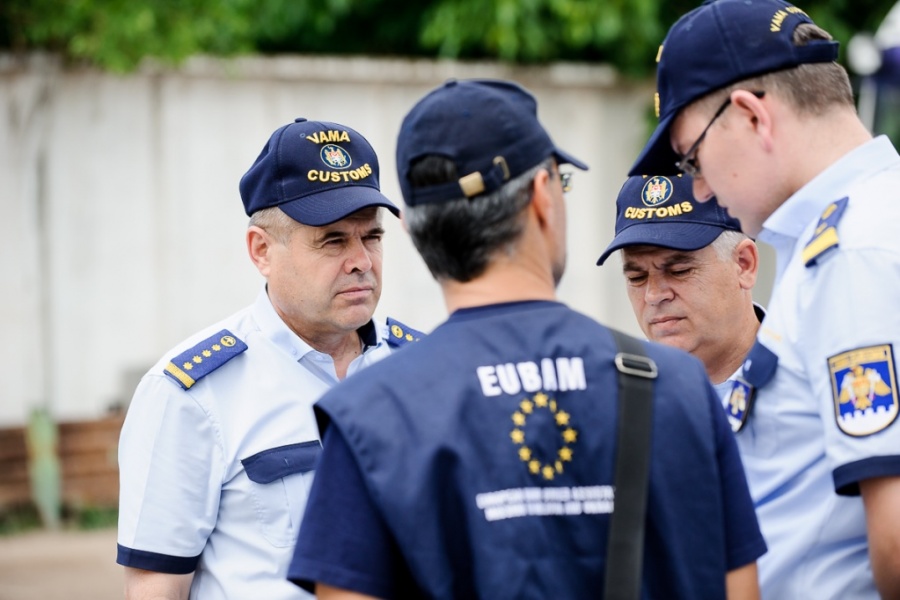
  • A new Code of Ethics and Conduct for Moldovan Customs Officers came into force during October. The document, drafted with EUBAM support and adjusted to international standards of integrity, will regulate the professional standards of all Moldovan Customs officials.

Moldovan, Ukrainian and EU law enforcements unite efforts in counteracting tobacco smuggling

On 26-27 of October the Annual meeting of EUBAM Task Force Tobacco took place in Chisinau. The event brought together experts from Moldova, Ukraine, Hungary, Slovakia, Poland, Romania, UK, OLAF and SELEC, as well as the global tobacco manufacturers such as British American Tobacco, Japan Tobacco International, Imperial Tobacco and Philip Morris. The event provided an excellent opportunity for practitioners to share their views and deepen the international cooperation in counteracting cigarettes smuggling which has a significant impact on the budgets of the affected countries.

Law enforcement and international agencies presented results of the operations they had conducted in 2016, with a particular attention on sophisticated or new ways of smuggling. Discussions focused on possible coordinated solutions for tackling this criminal activity. The experts agreed that increased pressure is posed from the smuggling of so-called “cheap white” cigarettes which are most often imported from third countries and for which there is normally no legal market within the EU.

The participants also discussed the support to the implementation of the Moldovan Customs Service’s Anti-illicit Tobacco Trade Strategy as well as the future endorsement of such strategy by the Government of Ukraine.

Task Force Tobacco was set up in 2010 to serve as a collaborative platform for Moldovan and Ukrainian authorities in fighting cigarette smuggling. The Task Force has become the key mechanism for EUBAM’s engagement with Moldovan and Ukrainian partners as well as wider stakeholders on the illicit tobacco trade. It has encouraged partners to share intelligence and develop integrated methods for dealing with a common problem. It has also facilitated contacts with their counterparts in EU member states and broader business community.

EUBAM supports the seizure of 66 million cigarettes in the Black Sea

On 14 July Turkish authorities confiscated over 100 tons of smuggled cigarettes from a vessel in the Bosphorus Strait.

The seizure, by Istanbul Maritime Customs Enforcement teams, happened as the vessel was on route from the port of Famagusta to Skadovsk in Ukraine. It was the largest amount of cigarettes ever confiscated in Turkish coastal waters.

Enforcement agencies of four countries were involved in this operation over several months, and included actions co-ordinated through the Black Sea Co-operation Forum.

EUBAM supported the operation by sharing and facilitating information between Black Sea Co-operation Forum partners. Colin Gazeley, Head of EUBAM’s Border Management Department, described the seizure as “further evidence, if any was needed, of the value of co-operation between countries in combating smuggling in the Black Sea region”.

Head of the Press Office of the Southern Regional Directorate of Ukraine’s State Border Guard Service Colonel Andriy Biloborodchenko highlighted that the “State Border Guard Service established fruitful and efficient co-operation with the border guard agencies of other countries for this operation, and achieved a significant result”. He noted that “this co-operation has prevented many cases of the illegal movement of counterfeit cigarettes in both Ukraine and the European Union.”

EUBAM actively supports the combating of cigarette smuggling through its Task Force on Tobacco. The Task Force brings together the Mission’s Moldovan and Ukrainian partners to co-ordinate their efforts to countering the illicit trade in tobacco products. It has encouraged partners to share intelligence and develop integrated methods for dealing with this common problem. It has also facilitated contacts with their counterparts in EU member states and other countries, as well as the broader business community.

EUBAM and Ukraine’s State Fiscal Service provide training to newly recruited Customs Officers in Odessa

Between 29 June and 1 July, EUBAM partnered with the Department of Specialized Training and Canine Service of the State Fiscal Service of Ukraine to conduct a practical workshop for 100 newly recruited Customs Officers who will work in Odessa’s new ‘Open Customs Area’.

During the course of three individual one-day events, separate groups of new recruits received practical skills and knowledge from the Department of Specialized Training instructors on interviewing tactics, customs classifications, judicial practice, risk management tools and the Basel and International Trade in Endangered Species of Wild Fauna and Flora (CITES) Conventions. They were also introduced to intellectual property rights and Single Window concepts. Utilising its extensive on-the-ground experience, experts from EUBAM’s Field Offices in Odessa Port and Kuchurhan supplemented the training with case studies and European best practices.

Colin Gazeley, Head of EUBAM’s Border Management Department, noted that the courses “demonstrated excellent co-operation between Ukraine’s Customs administration and EUBAM, and provided the new recruits with exposure to EU best practice, practical insights and introduced the Mission’s activities”.

Artur Pugach, inspector of the new ‘Open Customs Area’ said, “Building of a new customs system demands from public servants excellent theoretical and practical knowledge. The eight hour training session with participation of EUBAM’s experts was very useful for the ‘Open Customs Area’ team. The knowledge gained in smuggling in Sea Ports, false seals and methods of falsification of brand name goods will help Odessa’s Customs administration to better protect the customs border of Ukraine and to perform our duties.”

The training was conducted in support of reforms to Odessa’s Customs administration, which will see a new ‘Open Customs Area’ launched in August 2016. 132 newly recruited Customs Officers, hired specifically to provide a high quality service, will create conditions in the port of Odessa which will help to facilitate trade and safeguard the border enabling Customs clearance procedures to be completed around the clock. It is hoped that the Odessa ‘Open Customs Areas’ will serve as a model for similar initiatives in other regions of Ukraine.

EUBAM assists Ukrainian border guards in widening of European cooperation

Active international cooperation of border agencies and information exchange is one of the key pillars of the EU Integrated Border Management Concept.  Since the beginning of its activity EU Border Assistance Mission to Moldova and Ukraine (EUBAM) devoted much attention to the support in establishing of international contacts of its partners – border guard and customs agencies of Moldova and Ukraine. Successful cooperation of Ukrainian Border Guard Service with the European Agency for Management of Operational Cooperation at the External Borders Frontex is one of the examples of such activity.

Starting from 9 June, Kuchurgan BCP has become a part of Frontex ‘Coordination Points’ project. In the framework of this project, a border guard officer from an EU member state will be directly present at the border crossing point and provide support to the Ukrainian colleagues in information exchange and identification of possible risks and threats. Frontex expert as well will share with the Ukrainian border guards the European experience in the sphere of border control, identification and prevention of illegal migration and human trafficking.

During the last three years EUBAM had been a partner of Forntext in implementation of this project. EUBAM experts from the Field Office Kuchurgan provide the European colleagues the information on the general situation at the border and assist in technical issues.

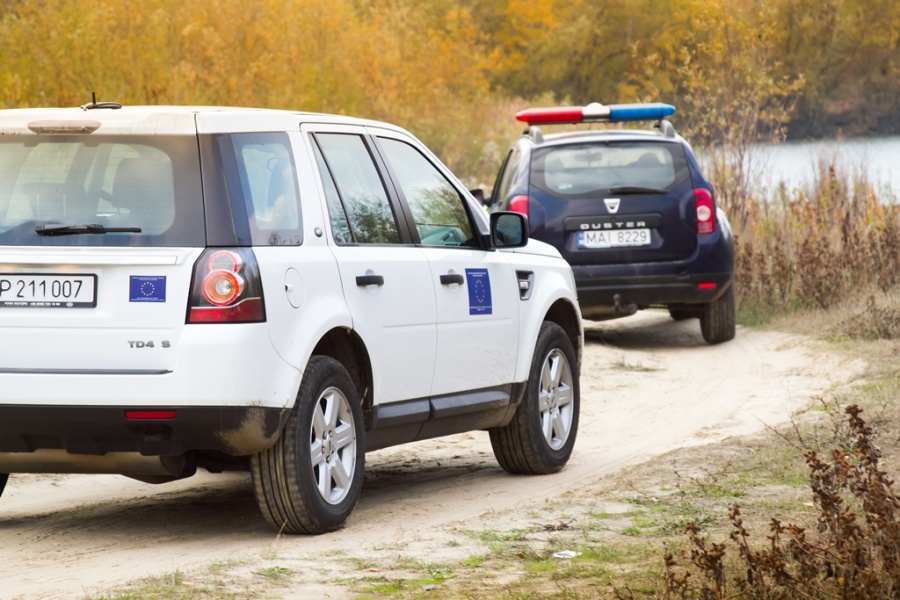
EUBAM provides vehicles to Moldovan Border Police and Customs Services to enhance operational capacity

Tuesday 14 June, EUBAM donated eight vehicles to Moldova’s Border Police and Customs Service, in a ceremony at the headquarters of Moldova’s Border Police. The event was attended by Ambassador Andrew Tesoriere, Head of EUBAM, acting Head of the Moldovan Border Police, Mr. Ianus Erhan and Deputy Head of the Moldovan Customs Service, Mr. Grigore Ionitov.

The vehicles, formerly used by EUBAM in Moldova, are capable of operating in off-road conditions, and will increase the capacity of both services to conduct patrols and operations along the whole border.

Ambassador Andrew Tesoriere, Head of EUBAM, welcomed the handover as a sign of increasing ownership of EUBAM-led initiatives by the Border Police and Customs Service. He noted that,

“As EUBAM transfers ownership of initiatives it has jointly run with our Moldovan partners over the last ten years, it is also appropriate that we ensure our partners have the necessary technical means to continue them. The donation of these vehicles reflects the increased ownership assumed by Moldova’s Border Police and Customs Service for ensuring the effective management of the State border. I look forward to seeing these vehicles utilised for the innovative practices which have been introduced in recent years, such as joint mobile patrolling”.

Accepting the four vehicles for Moldova’s Customs Service, Mr. Grigore Ionitov, Deputy Head of Moldova’s Customs Service reflected on its sustained partnership with EUBAM, stating, “The Customs Service is expressing its gratitude for the sustainable support offered by EUBAM that has become throughout these years one of the most important strategic partners of the institution. We would like to thank you for the openness wherewith you approach all initiatives of the Customs Service, the methodological and technical support of which has led to the achievement of the most ambitious projects.”

Mr. Ianus Erhan, acting Head of Moldova’s Border Police, expressed gratitude for the support given by EUBAM, stressing that “the donation of these four vehicles will certainty contribute to streamlining activities to prevent and combat cross-border crime. The Border Police is responsive to initiatives coming from EUBAM experts and relies on the support and assistance of the mission, which has acted as a reliable partner and witness to all the institutional changes throughout the years.”

EUBAM Advisory Board appraises ongoing reforms and Transnistria conflict settlement efforts

EUBAM’s 26th Advisory Board Meeting ended on Wednesday after reviewing progress made in the implementation of border management, customs and trade facilitation reforms in Moldova and Ukraine. Ongoing confidence building measures related to the Transnistrian settlement process were also assessed.

EU Ambassador to Moldova Pirkka Tapiola said: “A joint effort is needed in order to ensure the successful phased implementation of the joint border crossing point Kuchurhan-Pervomaisk. I believe that if properly implemented, engaging all relevant stake-holders, it could build confidence in the Transnistrian settlement process and create new opportunities for all”.

EU Ambassador to Ukraine Jan Tombinski noted: “The people of Moldova and Ukraine want to see concrete results and reform in the issues that matter to them the most. In these critical times the EU will continue to support both countries to bolster security, to develop their economic potential, and to meet the legitimate aspirations of their populations and EUBAM will remain an important part of that effort.”

The Mission marked its tenth anniversary in November 2015 and Head of EUBAM Ambassador Andrew Tesoriere said: “The demand for EUBAM technical expertise remains undiminished, especially through our strong field presence. Both Moldova and Ukraine have embarked on an ambitious set of reforms to align border and customs procedures to EU standards, and EUBAM remains a reliable and experienced partner”. Ambassador Tesoriere welcomed increased national ownership of the new practices and procedures which have been established with EUBAM support.

Daniela Morari, Deputy Minister of Foreign Affairs and European Integration noted: “Going through all the points of our today’s detailed agenda, I believe that all sides involved have reconfirmed that EUBAM remains our main partner in its dual role of both helping to ensure stability and security in the region and strengthening capacities at the national level of both Moldova and Ukraine. This is a very important factor in pursuing reforms and implementing commitments within the Association Agreements/DCFTA.”

Vsevolod Chentsov, Director General for the EU of the Ministry of Foreign Affairs of Ukraine noted that for more than 10 years EUBAM has been building capacities of partner services of Ukraine and Moldova, both at the state and regional levels. This provided for significant improvement of border management as well as for important reduction of the trans-border crime including illegal migration, trafficking in human beings, and contraband. It contributed to the security not only along Ukraine – Moldova state border but in the entire region in general.

Mr Chentsov said: “The joint border control, facilitated by the Mission, including at the central segment of Ukraine-Moldovan border, is seen as an evolution of the enhanced cooperation between the border services of the two countries. We should benefit from the experience gained and lessons learned by the Mission and to make proper use thereof at other segments of Ukraine’s border, taking into account current security challenges.”

The Board acknowledged the concrete accomplishments of partner services in the ongoing implementation of DCFTAs and Integrated Border Management strategies in both countries. Priority areas for EUBAM’s support over the next six months were discussed, with special attention given to identifying and developing opportunities for confidence building measures on Transnistria.

Following the Advisory Board, a series of technical meetings on the establishment of jointly operated border crossing points, import and export certificates and future EUBAM support on veterinary, sanitary and phyto-sanitary controls were held between experts from Moldovan and Ukrainian border and customs agencies, the EU Delegations and EUBAM.

The Advisory Board Meeting brought together representatives from the Foreign Ministries, border and law enforcement agencies of Moldova and Ukraine, the EU Delegations to Moldova and Ukraine, IOM, OSCE and UNDP. It will meet again in Chisinau in early November 2016.

EUBAM Month in Pictures: April

An overview of EUBAM’s activities in pictures, conducted in April 2016 with our Moldovan and Ukrainian partners.


[cincopa AUPA1ddbRaQV]

Border agencies of Black Sea and Baltic countries unite efforts to counteract security threats

On 28 April a conference of the Black and Baltic Sea countries’ border agencies took place in Odesa. Border officials from Ukraine, Turkey, Bulgaria, Georgia, Romania, Moldova, Poland and Latvia as well as EUBAM, FRONTEX, EUAM and IOM coordinated their approaches to counteracting illegal migration, smuggling and drug trafficking.

Head of EUBAM, Andrew Tesoriere, said: “Improving regional border management and customs cooperation increases security and helps to fight organised cross-border crime such as trafficking in human beings, arms and drugs and contributes to preventing and managing irregular migration. Events like this allow the Black and Baltic Sea border agencies to share best practices and jointly strategies in order to better meet future needs and scenarios”

Conference participants endorsed a communique highlighting the importance of introducing the key principles of Integrated Border Management, strengthening information exchange and operational coordination and stressed the need to create a joint risk analysis mechanism in the Black and Baltic Seas format to effectively counteract traditional and emerging illegal activities.

Over the last ten years, EUBAM has worked with Ukrainian and Moldovan border agencies and other national and international partners to strengthen Black Sea maritime border security and facilitate trade.

The Mission maintains a field presence at the Odesa and Chornomorsk Sea Ports in Ukraine and Giurgiulesti Port in Moldova, assisting partners in risk analysis and counteracting smuggling as well as advising on improving customs procedures. Recommendations identified in Port Studies conducted by EUBAM over the last two years are helping to streamline ports’ customs clearance and facilitate legitimate trade.

Enhancing cross border and international cooperation to prevent illegal migration and the smuggling of drugs, arms, tobacco and vehicles remains one of the aims of EUBAM-led Working Groups and Tasks Forces. These forums have led to improved co-operation not only with EU member states, but with the wider Black Sea region.

EUBAM announces a photo competition ‘Borderlands’

In the framework of the annual Europe Day celebrations, the European Union Border Assistance Mission to Moldova and Ukraine (EUBAM) is pleased to launch ‘Borderlands’ photo competition among the residents of Mohyliv-Podilskyi and neighbouring districts.

Themes:

  • People at the border
  • Border landscapes
  • Work of border agencies


Please be aware that taking pictures at the BCPs is prohibited.

TERMS AND CONDITIONS:

  • Each participant can submit up to 5 photos per topic, which can be comprised of individual photos or a photos series.
  • The total number of photos submitted cannot therefore exceed 15
  • Participation is free, there are no age limits
  • Both amateur and professional photographers are welcome to participate
  • The photos should be submitted via e-mail to foot@eubam.org by 1 May 2016. The title of the photo, first and last name of the photographer, contact telephone and postal address must be indicated in the body of the message
  • Photos submitted should meet the following requirements:
  1. Files format: JPG, JPEG
  2. Image size: the image should be printable in A4 or A3 formats
  3. Image resolution: 200-300 dpi
  4. File size: maximum 5MB
  • A jury composed of representatives of the City Council and EUBAM staff members will select the 3 winners. No appeal on the organization or on the results of the competition will be accepted. The jury’s decision will be final
  • Prizes (digital photo cameras) will be awarded to the three best photographers. All participants of the exhibition will receive diplomas of participation
  • EUBAM has the right to use the photos, submitted in the framework of the photo competition, for non-commercial purposes (publication in booklets, catalogues, calendars, websites, etc.) or any other purposes without notifying and/or compensating the photographer
  • EXHIBITION: a selection of 20 best photos submitted for the competition will be showcased at an exhibition held on 16 – 21 May 2016
  • EUBAM can not be held responsible for force majeure, should the competition be modified or cancelled


Submission of an entry assumes the acceptance of all terms and conditions of the competition.


COMPETITION CALENDAR:

Deadline for submission of photos: 1 May 2016

Informing the participants via e-mail about jury’s decision: 8 May 2016

Opening of the exhibition and awarding the winners: 16 – 21 May 2016


For more information please contact Mr Dusan Ruman, Head of Field Office Otaci,  tel.: +38 050 546 31 25, e-mail: foot@eubam.org

A new mobile friendly web-site provides information on crossing the Moldovan border

The new web-site frontiera.gov.md with full information on crossing the border of the Republic of Moldova was presented to the public today. Friendly for mobile devices, the web-site provides travelers with information on the required documents, visa, customs allowances, temporary entrance of vehicles, hot-lines telephone numbers as well as the current situation at the border crossing points. Information is provided in three languages: Romanian, English and Russian.

The web-site was developed jointly by Moldovan agencies with the support of the European Union through EU Border Assistance Mission to Moldova and Ukraine. Head of the Border Police Department, Mr. Dorin Purice, Head of the Customs Service, Mr. Vitalie Vrabie and Head of Bureau for the Migration and Asylum, Mrs. Olga Poalelungi, signed today the Memorandum of Understanding, ensuring the sustainability of the website.

Mr. Mindaugas Kacerauskis, Political Officer within Delegation of the European Union to the Republic of Moldova, mentioned: “This tool created with the assistance of the European Union, through EUBAM, is intended to  become a one-stop shop for all the people interested in travelling to the Republic of Moldova. Moreover, it show-cases a horizontal cooperation between the relevant services, which is always important for increased efficiency and security.”

“The activity of the Border Police tends to adapt to new information technologies, making it responsive to the challenges related to border security, as well as the development of efficient and open communication between border authorities and people crossing the border, providing safety and quality services.”, specified Mr. Purice, Head of the Border Police Department of the Ministry of Internal Affairs of the Republic of Moldova.

“Correct information at the right time prevents unexpected, often unpleasant, situations. The platform “frontiera.gov.md” was created to offer an easy, clear and integrated way to provide information to individuals crossing the border.”, noted the Head of the Customs Service by the Ministry of Finance of the Republic of Moldova, Mr. Vitalie Vrabie

The Head of the Bureau for Migration and Asylum of the Ministry of Internal Affairs of the Republic of Moldova, Mrs. Olga Poalelungi, mentioned: “The website jointly launched by the Moldovan authorities with the support of EUBAM will allow both Moldovan and foreign citizens to be informed on the rules of stay in Moldova, issues related to documentation, employment, family reunification and other matters necessary for everyday life.
The common platform will allow people to receive comprehensive information about the procedures, responsible agencies, necessary documents, terms and tariffs. They will also have the opportunity to benefit from new online services. The launch of a new information platform represents an advancement in transparency, accessibility and will reduce bureaucracy for our citizens.”

Head of EUBAM’s Border Management Department Mr. Colin Gazeley noted: ‘Before, travelers had to visit the web-sites of three different agencies to find the border crossing rules and visa requirements. Now they can easily find the information they need in one place. This is a good example of interagency cooperation which is one of the pillars of EU Integrated Border Management’.

Availability of clear and easily accessible public information makes the border crossing faster and helps to prevent misunderstandings between travelers and border officers. It also reduces the risk of corruption at the border. The web-site will be maintained and updated regularly by the Moldovan authorities.

Ukrainian border guards engage travelers in fighting corruption

On 16 March EUBAM Head of Border Management Department Colin Gazeley attended the Odessa launch of the national ‘Stop Corruption’ campaign run by the State Border Guard Service of Ukraine in partnership with the International Organization for Migration. During the event at Odesa International Airport, the passengers arriving to the city were met by Border Guards who handed out leaflets encouraging citizens to report incidents of corruption to a hot-line (+38 044 527 63 63) and at the same time inform them that offering bribes to Border Guards is a criminal offence.

Talking to local media, Colin Gazeley said: “EUBAM has noted an increase in the number of attempts to bribe officers at Ukraine’s border crossing points which have been reported by officers and followed up. This demonstrates a certain progress of the State Border Guard Service in fighting corruption and improving integrity and the Mission will continue to support its partners in this challenging area”. He added that this awareness campaign would help the border guards to improve their public image and undoubtedly lead to a more transparent and fairer environment at the border crossing points.

The ‘Stop Corruption’ campaign aims to heighten the awareness of the travelling public to the dangers of offering bribes to border officials through the distribution of 60,000 leaflets nationwide at all major border crossing points, land, sea and air.


Future EU policy makers explore the work of EUBAM

Odesa, 7 March – Today EUBAM HQ hosted a visiting group of students and professors of the Natolin Campus of the College of Europe. The College is among a number of international higher educations and research institutions with which EUBAM shared it expertise over the last months. Others include the Warsaw-based Centre for Eastern Studies, the Carnegie Europe Foundation, the International Peace Institute, and the Eurasia-Slavic Research Center of Hokkaido University.

The EUBAM Head of Mission, Ambassador Andrew Tesoriere, held a lively inter-active question and answer session with the visiting staff and students. In opening the discussion, he said “EUBAM values the College’s sustained interest in the broader issues underlying EUBAM’s work, notably the regional strategic outlook, and trends in border management and trade facilitation. Such educational links, we believe, showcase the practical work of the EU, contribute to the associated academic research of institutions of higher education and inform and motivate students in their career ambitions.”

Sociology professor Georges Mink commented “Our College has a privilege to bring the students to different countries and let them gain the deep understanding of EU priorities in the Eastern Partnership countries.  EUBAM is an important element of EU strategy in the region. The up-to-date border security information the students have received during the discussion will widen their horizons and help in their professional life.”

Azerbaijani studnet Lialifa Ibragimova expressed enthusiasm for her visit to EUBAM. “Often we study various EU policies from the distance.  Visits like this help to enrich our theoretical knowledge with hands-on experience on the full cycle of EU Missions’ operations from the planning process to implementation.”

The College of Europe is a post-graduate education institution with campuses in Bruges (Belgium) and Warsaw (Poland). The College provides the students with profound understanding of the EU’s political, legal, economic and international core issues, and to prepares them for leadership functions requiring a strategic understanding of European matters.

Speech by Andrew Tesoriere, Head of Mission, at the OSCE Economic and Environmental Committee on 24 February 2016 in Vienna

Transport as a confidence building measure: The practical experience of the EU Border Assistance Mission to Moldova and Ukraine

1. Introduction
As some in the room will know, I am no stranger to the field of designing, mediating and catalysing confidence-building measures (CBMs). I have been a practitioner and conflict-resolution mediator over many years, working with multilateral bodies such as the UN, the OSCE, NATO and now the EU as well as national government service, in diverse geographical settings, ranging from Afghanistan, Central and South Asia to the Middle East, Africa, Balkans and Northern Ireland. I have worked on wide-ranging thematic aspects of CBMs. Transport, in the context of what has come to be termed “economic connectivity”, is one such CBM.

Transport as a CBM is what we are here to consider today. Self-evidently, transport connects people and nations, travellers, business, artists, specialists. We take it increasingly for granted. Conversely, if transport connectivity is disrupted or ceased, there is a loss which heightens the sense of divide, separation, but also potentially the senses of fear, suspicion and discrimination.

This in essence is why transport is a such tremendous asset as a CBM in generating or regenerating trust and dialogue not only between protagonists in dispute but also mobilising business and the ordinary travelling public to lobby and lever their representative Authorities to build or rebuild broken or non-existent transport links and to make travel easier, more cost and time efficient.

I have been invited to sketch how addressing problems and gaps in transport issues can improve the settlement prospects, the peace dividend, specifically between the Republic of Moldova and the Transnistrian region. My presentation today will therefore cover the following ground:

  • Why transport underpins peace and stability;
  • What is impeding transport optimisation between the two banks of the Dniester;
  • How EUBAM (and the International Community) are seeking solutions;
  • How much has been achieved thus far; and
  • How far is yet to go.

2. Background context

A well-developed and managed transport system is essential for the security and economic development of a State. Disruption of the road and railway traffic in the Republic of Moldova because of the Transnistrian conflict has caused significant losses not only to the economies of the left and right bank of the Dniester River, but also the entire region. This has notably affected neighbouring Odesa oblast, by interrupting long established road and railroad networks.

In Ukraine, a major centre for the transportation of goods are the ports of Odesa, Chernomorsk[1] and Yuzniy, which play a significant role in Ukraine’s external trade[2]. Goods in transit to and from the Republic of Moldova are also transported via the ports. These ports have been the subject of considerable scrutiny owing to their slow clearance times, congestion and corruption. The World Bank ‘Logistics Performance Index’ indicates that there is substantial potential for an increase in the volume of processed cargo and improvement in procedures.

Against this background, the full resumption of the rail freight traffic via Transnistria has been an important step in regulating the long lasting conflict in the Republic of Moldova and has had both economic and political implications. In October 2010, rail passenger traffic was resumed, followed in April 2012 by the rail cargo traffic. The first freight train came via the northern Rybnitsa (MD) – Slobidka (UA) railway section and one month later via the southern Bender 2 (MD) – Kuchurhan (UA) railway section.

However, international road transport of goods between the Republic of Moldova and Ukraine through Transnistria still remains blocked. Neither vehicles in international transit nor bilateral trade between Ukraine and Moldova can cross Transnistria. Thus, two important transport routes, the southern M14/M16 route leading to Odesa and the northern M21/M13 route, are blocked for international and interstate transit. Cargo vehicles have to make long and costly detours to circumvent Transnistria. The higher transport costs act as an impediment for regional trade and economic development, whilst the circumvention of the territory means that associated services, such as fuel stations, hotel and retail have not flourished.

The existence of two separate systems of motor vehicle registration has been an additional obstacle, with Chisinau and Tiraspol issuing their own motor vehicle registration certificates and license number plates. The Transnistrian registration plate has been a recurrent subject of dispute. Chisinau raises the non-compliance of the Transnistrian registration plates with the national norms adjusted to the international standards, and the fact that these vehicles cannot be checked by Interpol in cases of thefts. At present, Transnistrian motor vehicle registration plates are only tolerated in Abkhazia, Belarus, Russia, South Ossetia and Ukraine.

[1] Previously named “Illichivs’k”

[2] Odesa and Chernomosk ports handle approximately 60% of Ukraine’s sea cargo and the majority of sea born container imports.

3. Approaches of the international community, including EUBAM, towards problem solving

Turning to EUBAM’s problem solving approach, in tandem with the wider International Community, I will now show you a slide that portray our various visiting cards.

First, technical working groups. In April 2008, Chisinau and Tiraspol agreed to create a number of sectoral joint working groups to discuss confidence-building measures in the areas that affect the daily life of people on both banks of the Dniester River. As of November 2011, eleven working groups have been established, including those on railway and transport and infrastructure. As you know, the OSCE Mission to Moldova works with Chisinau and Tiraspol to build confidence between the people on both sides of the Dniester River, facilitates informal meetings between the Chief Negotiators of the two sides and organises the activities of the expert working groups.

Second, CBMs and the 5+2 settlement negotiations. Every year, the OSCE Mission to Moldova with the support from the German Government organizes a Conference on Confidence Building Measures in the Transnistrian Settlement Process.

EUBAM contributes through its technical and advisory work towards the peaceful settlement of the Transnistrian conflict through the official international negotiation mechanism, the so-called 5+2 process, under the overall aegis of the OSCE and direct supervision of the EU Delegation to Moldova (the “5+2” process).EUBAM focuses its advice on the free movement of people and goods across the administrative boundary line and the Transnistrian segment of the border with Ukraine  – which are key principles and elements of the 5+2 negotiations.

EUBAM experts monitor that control measures are carried out in compliance with human rights and European border control standards and help resolve cross-border problems. The Mission aims at strengthening Chisinau-Tiraspol cooperation in the field of transport, customs and trade, and law enforcement. It also makes longer-term technical proposals, such as the reopening of international transport corridors. Observing the implementation of the technical proposals and evaluating their development is a task that EUBAM undertakes, with the aim to build sustainable economies and increase trust and confidence between the right and left banks of Dniester River.

Third, facilitating regional trade. Pressure for the development of trade facilitation measures is driven by the needs of business to reduce their costs on the one hand, and on the other hand by the need of border control services to minimise their costs within state budgets. In 2015, EUBAM completed a study on Odesa and Illichivs’k Ports. The study highlighted 29 recommendations for customs and the border agencies to implement, which would have a significant impact on the efficient clearance of goods and benefit transport and trade. The importance of these recommendations is heightened by the EU – Ukraine AA/DCFTA. These agreements require the implementation of improvements to make the “doing of business” easier. Such improvements would result in further increases in goods’ transportation through Odesa province’s southern ports and engender greater confidence between the border authorities and the business community.

4. Results


In this slide, you will see a sample of the technical initiatives and the results, which EUBAM has accomplished to facilitate the resumption of vehicle and railway traffic. In developing these initiatives, EUBAM has drawn on wider confidence-building guidance and best practice in seeking tangible results.

Key steps or good technique have included, first, establishing EUBAM’s credibility with both parties, Chisinau and Tiraspol, as a technically competent, innovative and impartial body. Our ability to help the two sides formulate technical proposals and provide strong supporting argumentation, properly referenced to international norms, obligations as well as business efficiency and civil enhancement models, has helped us deliver a strong level of bonding in coping with the rough rides involved in negotiation.

Second, developing a well-informed understanding of each side’s perspective and empathizing with it, has also been important for sustaining interest when talks appear to founder or stall.

Third, perseverance, determination matters. Walking away from reaching solutions when the chips are down should not be seen as an option. Taking judicious time-bound, time out for reflection can ensure negotiation remains on-track. A recent example of this was, during the OSCE Bavaria-hosted retreat on Transnistria last October, when both Chisinau and Tiraspol drew a blank on a cluster of individual transport problems, the conference facilitators simply invited the two sides to go away and draft their vision for a comprehensive overall solution to how the two road-transport systems could interact positively. This thereby invited the two parties to broaden their vision, consider more “the art of the possible”, and raise the level of potential outcomes. Ultimately, personal chemistry and the heart matter as much as the head. After all, one man’s logic can be another man’s anathema.

 4.1 Railway transport

Under the framework of confidence building initiatives, EUBAM succeeded in the renewal of customs cooperation between Chisinau and Tiraspol, and in resuming the railway passenger and cargo traffic across Transnistria, by providing technical analysis, advice and proposals to both sides. EUBAM developed technical proposals for using a mechanism of joint customs clearance and control in Bender-2 and Rybnitsa, which helped solve one of the prerequisites for the resumption of railway freight traffic. As a result, in 2012, transport corridors and railway freight across Transnistria reopened after six years’ suspension.

The resumption of the railway freight traffic has speeded up the time of delivery of goods, and has reduced transportation cost, thus making products of economic operators from both banks of Dniester River more competitive on the market. This should help boost the export and encourage investments in these economies. Political implications of the resumption of the rail traffic are linked to creation of the joint customs control by the left and right banks that could be further used as a foundation for deepening the cooperation and building a trust and confidence based on mutual interest.

In a further demonstration of efforts to support the confidence building process on both sides of the Dniester River, the Mission also brought customs experts from Chisinau and Tiraspol together for training and a study visit to gain hands-on experience on mechanisms of international cooperation, customs modernisation and processes including EU best practice.

4.2 Road transport

In autumn 2014, when the movement of goods was affected by tightened controls initiated by the State Fiscal Service of Ukraine, first on the transit of excisable products and then on non-excisable goods destined for Transnistria, the Mission used its good offices to get these moving again and its assistance in this regard was acknowledged by Tiraspol. Goods were also subject to extensive checks and analysis. The transit of excisable goods to Transnistria was disrupted and declined to zero.

EUBAM provided recommendations to the State Fiscal Service of Ukraine with a view to ensuring compliance with the relevant domestic legislation and international conventions on the free transit of goods. Later, a four-way interaction with Odesa, Chisinau, Tiraspol Customs and the Ministry Foreign Affairs of Ukraine enabled the Mission to defuse some of the difficulties at the border. However, the issue of the transit of excisable goods to Transnistria remained unsolved.

In November 2015, the Republic of Moldova and Ukraine signed two new cross-border cooperation agreements that will make it faster and easier to move across their joint border, freeing up trade and saving businesses and travellers’ time and money. The first one aims at establishing joint control at Pervomaisk-Kuchurhan Border Crossing Point, a key transit hub on the Transnistrian segment of the Moldova-Ukraine border. The agreement will help re-establish international transport corridors across Transnistria. The second provides for the automated exchange of border crossing data across the Moldova-Ukraine border and will enhance security through increasing transparency about the movement of vehicles and goods over the border. EUBAM has long advocated these agreements and played an active role in encouraging and facilitating their conclusion.

4.3. Transnistrian number plates

As regards the Transnistrian number plate issue, at the end of August 2015, the Moldovan authorities restricted the movement of Transnistria-registered vehicles across the state border, citing the need to comply with the Vienna Convention on Road Traffic and Moldova’s national legislation. EUBAM sent a Technical Opinion Paper to Chisinau and Tiraspol, the OSCE, and the EU Delegation to Moldova outlining a temporary solution that could be used as the springboard for a permanent settlement. In October 2015, Chisinau lifted the ban and established a system along the lines of EUBAM’s proposal, allowing vehicles with Transnistrian number plates driven by owners or authorised persons residing in Transnistria to cross the Moldova-Ukraine border. However, this is a temporary measure.

As a follow up, at the Working Group on Road Transportation held in December 2015, Tiraspol offered to develop a draft Protocol aimed at resolving the issue of full participation of Transnistrian transport means in international traffic, including cargo-passenger transportation and movement of private cars, taking into consideration the previously reached agreements. In January 2016, indeed, the draft Protocol was distributed among the relevant parties. The Protocol includes solutions presented in the EUBAM Technical Opinion Paper along with the 2013 draft Protocol Decision on “Some Primary Measures to Provide Freedom of Movement for Population of Transnistria and the Republic of Moldova”.

EUBAM has also used its participation in the ‘5+2’ expert working groups on transport to advance technical solutions for resolving some of the issues which arose in relation to the freedom of movement, for example the introduction of a compulsory civil liability vehicle insurance scheme by Transnistria.

5. Forward-look

No doubt, the Mission has achieved some notable successes in encouraging several transport initiatives in the region thus contributing to free movement of goods and people. But major challenges remain.

Recently, the successful resumption of railway cargo traffic through Transnistria has been jeopardised. From 1 January 2016, the Moldovan and Ukrainian Railways, agreed to comply fully with the Protocol on quote “the principles of full-fledged rail freight traffic” unquote, signed on 30 March 2012. Previously, some Transnistrian shipments circumvented the initially established conditions. The implementation of the new agreement between Moldovan and Ukrainian Railways affects the transportation costs of Transnistrian economic operators and diminishes the role of the de facto Transnistrian Railways as a carrier. A consensual solution is being sought, supported by EUBAM.

The reopening of road transit through Transnistria would require an international agreement of Moldova, Ukraine and Transnistria. As a minimum, such an agreement would have to enable transit-traffic to pass through the three international border crossing points at Kuchurhan, Bolhan and Platonove (all located at the Transnistrian segment of the Moldova-Ukraine border). In addition, the road bridge in Gura Bicului would have to be opened for traffic. Damaged by shelling during the 1992 conflict, the Gura Bicului Bridge, which spans the Dniester River, was reconstructed in 2001 with money from the EU. The bridge—along the main highway between the Black Sea and the Baltic coast—should facilitate trade and contacts between both banks. However, it has never been reopened. Only pedestrians and bicyclists are allowed to cross[1].

The fact that rail transit through Transnistria has been in place for some time suggests a similar agreement for road transit is feasible. In this regard, the draft Protocol on resolving the issue of full participation of Transnistrian transport means in international traffic, including cargo-passenger transportation and movement of private cars, offers such a possibility. Moreover, the implementation of the joint control at Pervomaisk-Kuchurhan Border Crossing Point would support the resumption of transit through Transnistria if handled with care. Paired with increased capacity of Odesa ports, this would boost the transport opportunities.

Thus, while implementing joint control at Transnistrian segment of the border with Ukraine, it is very important to desynchronise the deployment of Moldovan customs officials and border police. During the first phase only customs officials should be deployed. Simultaneous deployment of customs and border police will only leave room for fearmongering about Moldova “impeding” the free movement of Transnistrian holders of Russian and Ukrainian passports across the border with Ukraine. The transit of goods through/to/from Transnistria could also be disrupted by Chisinau or by Tiraspol as a retaliatory measure to the “sandwiching” effect created by Moldova and Ukraine.

The transport-related initiatives promoted by EUBAM, such as the settlement of the Transnistrian license plates and the establishment of joint customs control at the Transnistrian segment would contribute to facilitating trade and re-opening of international transport corridors across Moldova and Ukraine via Transnistria.

Nevertheless, it is important for Chisinau to preserve its reintegration policy and strengthen cooperation with Tiraspol through engagement and compromise. Enhancing cooperation in transport issues could also trigger progress in other areas, such as trade and investment, or social issues.

EUBAM will continue to engage in facilitating the implementation of these technical solutions, under the framework of Confidence Building Measures, as well as through other informal ways that might provide ‘hands-on’ solutions to practical problems. Additionally, with a view to fostering cooperation between Chisinau and Tiraspol, the Mission will promote joint initiatives that place emphasis on transparency and cooperation, rather than unilateral approaches.

[1] ‘Issue Brief Bridge over the Dniestr: Confidence-Building Measures in Moldova’, March 2011, International Peace Institute

Speech by Andrew Tesoriere, Head of Mission, at the SMi Border Security Conference, Rome, 17-18 February 2016

The Implementation of Critical Strategic Initiatives to Further Secure Ukrainian and Moldovan National Borders

1.Contextual political and operational background for EUBAM

Before I start my presentation today, allow me to make the disclaimer that I speak in my professional capacity as the Head of EUBAM, and not necessarily for the wider EU institutions, EU member states or our host Governmental partners, Ukraine and Moldova.

It seems right to open my presentation by reminding this largely EU-audience why Ukraine and Moldova matter in the context of this Conference.

Successive EU enlargements have brought Moldova and Ukraine physically, commercially and politically closer to the EU. Their internal security, stability and prosperity increasingly impact on the EU’s. The EU policy towards these countries is strong, proactive and unequivocal. Moldova and Ukraine have been important EU partners within the European Neighbourhood Policy, which since its inception in 2004 has sought to avoid the emergence of new dividing lines between the enlarged EU and her neighbours, and to strengthen the prosperity, stability and security of all, based on the values of democracy, rule of law and respect of human rights. Through the Eastern Partnership and other instruments, the EU has invested and offered Moldova and Ukraine concrete support for democratic and market-oriented reforms and thus contributed to their political and economic stability. Moldova and Ukraine are currently engaged in deep reforms to fulfil their aspirations of EU integration, especially as regards the processes related to visa liberalisation and the implementation of the Association Agreements/DCFTA with the EU.

But Moldova and Ukraine’s closer ties with the EU have brought security concerns as well as trade and reform opportunities.

The outbreak of internal conflict in Ukraine and Russian annexation of Crimea introduced a new security dynamic which remains of deep EU concern. The increased availability of weapons, ammunition and explosives stolen or otherwise misappropriated from the military conflict zone in eastern Ukraine and further traded inland in Ukraine has demanded heightened internal and border control measures.

The proximity to the EU of the contentious areas of Transnistria and Gagauzia in Moldova and of the Odessa region of Ukraine – all known for their complex social and economic connections to Russian interests, political activism and in the case of Transnistria separatist inclination – are of concern for regional security.

Moldova and Ukraine also lie on the main Eastern migration route to the EU. They are potential settlement areas on this migration route, potential asylum refuge countries, and also a compelling route for terrorists and narcotics from the Caucasus and Asia.

Against this backdrop, the European Union Border Assistance Mission to Moldova and Ukraine (EUBAM) has operated for over 10 years. It was launched in 2005 following a joint request by the Presidents of the Republic Moldova and Ukraine to promote border control, customs and trade norms and practices that meet European Union standards, and to serve the needs of its two partner countries. It is an advisory, technical Mission with no executive powers, fully funded by the European Union and headquartered in Odesa (Ukraine), with six field offices in its area of operation. It is apolitical and impartial in nature: a key feature, as I shall come to later on, in contributing towards confidence building measures for a peaceful settlement of the Transnistrian conflict but also to commanding the credibility and respect of all our national partners for candour, integrity, transparency and “fair-play”. On 1 December 2015, EUBAM entered a new biennium phase. Our action plan set by Brussels requires EUBAM to design a phase-out and exit strategy. While no pre-judgement of EUBAM’s closure or reconfiguration has been taken, it is quite possible that this may be EUBAM’s last 2-year period of existence.

EUBAM has a dual identity as both a European Commission-funded project and a Mission, serving a wider range of EU and stakeholder security interests. EUBAM also has a niche-role and potential future contribution in Moldova and Ukraine’s wider Euro-integration process, especially as regards the post visa liberalization process and implementation of the Association Agreements/DCFTA. In this sense, it is a unique construct in the EU architecture of overseas Missions: what could be called a hybrid Mission: part-institutional and development-led; part security based: a cross between a development project and CDSP-look-a-like Mission. This unique construct, I would suggest, is a valuable asset in the EU’s toolbox to address similar future operational challenges elsewhere in the EU neighbourhood, including tackling stress-points in the wider European migration crisis.

EUBAM border management goals in a nutshell are to support Ukraine and Moldova “facilitate the legal and frustrate the illegal”. Our specific overall tasks are to:

  • work with the authorities in Moldova and Ukraine to harmonise their border control, and customs and trade standards and procedures with those in EU Member States;
  • improve cross-border cooperation between the border guard and customs agencies and with other law enforcement bodies, and facilitate international coordinated cooperation;
  • assist its partners in preparing for the implementation of the requirements of the EU–Moldova and EU- Ukraine Association Agreements and the future establishment of a Deep and Comprehensive Free Trade Area (DCFTA); and
  • contribute to the peaceful settlement of the Transnistrian conflict through confidence-building measures and a monitoring presence at the Transnistrian segment of the Moldovan-Ukrainian border.


2.Border familiarisation

Having outlined the context, let me briefly familiarize you (with the help of a map), with the geographical terrain and flow of people and goods.

The Moldova-Ukraine border is 1,222 km long, out of which 955 km is green border and 267 km is blue border. 453.4 km of the Moldovan border with Ukraine, along the Central (Transnistrian) segment, is not under the control of the Moldovan Authorities, who have no physical presence there. Small parts of this border (and elsewhere outside the central segment) remain to be demarcated: 3.7 km in total to be more precise.

Internationally recognized border checks and surveillance functions along this segment are conducted only by UASBGS on the Ukrainian side of the border. There are 67 official BCPs at the Moldova-Ukraine border, including international, interstate and local ones, out of which 25 BCPs are situated at the Central segment (5 international, 8 inter-state, 12 local).

More than 11.5 million persons and 2.3 million vehicles crossed the Moldova-Ukraine border in 2015. The relatively intensive traffic flow across the Moldova-Ukraine border reflects the regional movement of goods and local trade, while the proximity of wider transport corridors connected to the regional hubs of Odesa and Illichivsk ports in Ukraine expose this border to ongoing risks of illegal border crossings and illicit trade.

The worsening economic environment and the conflict in Ukraine have had a significant impact on bilateral trade and the flow of passengers and goods at the Moldova-Ukraine border. During 2014-2015, the bilateral trade and the traffic flow of passengers and goods decreased at the Moldova-Ukraine border in comparison with previous years. To a large extent, the decreasing trend of passenger and vehicle flows was due to the prevailing public perception of insecurity in Ukraine since March 2014. As a result, many citizens restrained from travelling for business or tourism to Ukraine and especially from Moldova across the Moldova-Ukraine border to the Odessa region.

3. The challenges and threats to border security on the Ukraine-Moldova borders

Turning to the particular challenges for border security, the overall security situation at the Moldova-Ukraine border including at the Transnistrian segment was relatively calm and stable in 2014-2015. The unresolved conflict in Transnistria continues to present challenges for effective border management. Tackling corruption in Moldova and Ukraine, including in the border and customs control areas also remains a key governance challenge.

The general pattern of cross-border crime and irregular migration has not substantially changed over the past years at the Moldova-Ukraine border. The main risks for the border and customs services in Moldova and Ukraine are the smuggling of cigarettes and alcohol, irregular migration, document frauds and illegal border crossing, customs violations including non-declaration, misdescription, undervaluation and IPR frauds, vehicle-related offences and the smuggling of weapons, ammunition, explosives and drugs. Out of those, the smuggling of goods and irregular migration remain top challenges.

The potential terrorism-related border crossings and smuggling of weapons, ammunition and explosives came into sharper focus of control operations and triggered security measures on both sides of the border in 2014-2015. Despite the increased control measures, no significant cases suggesting an organized weapons trafficking across the border were reported. The number of weapon seizures at the border remained low.

The nationals of Moldova and Ukraine enjoy bilateral visa-free regime, thus the schemes of irregular migration and THB of these nationals rarely involve illegal crossing of the border, aimed to minimizing the risks of detention. The irregular migration of citizens of third countries or stateless persons is declined by 12% and the number of detained irregular migrants decreased by 42% in 2015. The general irregular migration trend of nationals of Afghanistan and Georgia persisted, as well from other CIS countries.

The overall smuggling of goods detected at the border decreased by 2% in terms of the number of cases and 2.4 times in terms of value in 2015, yet the likelihood of illegal movement of excise goods from Moldova to Ukraine stayed high. While cigarettes smuggling cases and quantities decreased by 30% and 7 times respectively in 2015 compared to the previous year, ethanol smuggling gained in sophistication and the number of cases and quantities jumped by 31% and 1.5 times respectively.

4.How the political challenges with neighbouring Russia have influenced EUBAM

No threat assessment would be complete without considering “the Russia factor”. Russian interests in both Ukraine and, to a lesser extent, Moldova have been historical and long-standing. They remain very much alive, at a social, economic and political level. In the Transnistrian region of Moldova, Russia still maintains a significant military presence and arsenal. Lt General Servatiuk has spoken about the border considerations of Ukraine’s relations with Russia. I shall speak about the consequences for EUBAM. In short, the downturn of relations between Ukraine and Russia have changed EUBAM’s operational environment, calling for a rebalancing of resources and priorities, but have not altered EUBAM’s essential goals – which remain to institutionalise best legislation and practice in integrated border management in Ukraine and Moldova and support these two countries benefit from the closer ties they have concluded with the EU through the Associated Agreements, intrinsic DCFTA and visa liberalization process. Clearly the conflict in the east of Ukraine and the unlawful annexation of Crimea by Russia heightened Ukraine’s security concerns for any area within its own country or for any of its borders, which might be vulnerable to Russian political interference or subversive activity. This preoccupation includes Ukraine’s Odesa province or oblast, where there is a significant Russian-speaking population; but also, within the Moldovan Republic, the breakaway republic of Transnistria, where the predominant language and pattern of life is Russian and Russia-oriented. Ukraine’s understandable reflex has been to strengthen its range of border security and anti-insurgent controls, including a crack-down on cross-border smuggling of firearms, explosive devices as well as excisable household items. This has changed EUBAM’s operational environment, to the extent that the EU also shared these concerns and tasked EUBAM to support Ukraine and Moldova with proportionate responses that did not contravene international best practices. EUBAM responded in a number of different ways. It scaled up its manpower along the Transnistrian segment of the Ukraine-Moldova border; it monitored ever more closely the strengthened border defence and border checks adopted by Ukraine and Moldova, using its evidential field-based observations with national partners to provide remedial advice as well as independent reporting to the EU member states and the wider international community. Such impartial reporting was to prove invaluable at times of claim and counter-claim between parties to the dispute, for example when truck-deliveries of humanitarian supplies were being transported into Transnistria from Russia. It has also been important to ensure Ukraine and Moldova do not discriminate arbitrarily against Russian citizens at border entry and exit points. EUBAM stepped up its monitoring of second-line checks, including most recently at Chisinau airport, which has seen an upsurge in visitor numbers, partly caused by the transport restrictions from Russia through Ukraine to Transnistria.

5.Threat counter-measures :ongoing efforts and assets at national and international level

EUBAM has sought in practical ways, in tandem with other EU and international partners, to support Ukraine and Moldova tackle and mitigate these border security challenges. The slide before you highlights some of the approaches used. More detail is contained in my full presentation, available on the USB stick.

New regional security challenges posed by the conflict in Ukraine have focused and refocused the tasks of the border services in both countries. The Ukrainian border services enhanced security measures at the Moldova-Ukraine border and reinforced border and customs controls were implemented under the threat of terrorism-related travel movements. Increased second line checks were established to prevent the entry of potential foreign fighters and/or weapons. Moldovan border services also increased their operational readiness during most critical periods of events in Ukraine.

EUBAM has played a role in ensuring such security enhancements are evidence-led and proportionately match the threats faced. One way of doing this has been the Common Border Security Assessment Report, drafted jointly by the Mission and the Moldovan and Ukrainian customs and border guard/police. Through systematic analysis, it provides a monthly, biannual and annual assessment of the security situation along the entire common border. Its assessments are used by partners to inform their tactical, operational and strategic decisions. The information produced from the reports also constitutes a platform for enhanced cooperation between the partners on joint border control operations.

An excellent example of this was the four-phase joint border control operation “Danubius”, launched from May until October 2015. Covering the entire Moldova-Ukraine border, it was the thirteenth joint operation under the aegis of EUBAM but was the first time that the partner services took sole charge of planning and co-ordination. It involved seven law enforcement agencies from Moldova and Ukraine, and was supported by Europol, Interpol, Frontex, OLAF, SELEC, and law enforcement agencies from five EU member states. The operation also helped strengthen professional and personal ties between responsible officials in the two countries, clarifying and improving collaboration procedures and deepening mutual trust.

As already noted, inter-agency and cross-border cooperation with international organizations, EU agencies and EU member States has been a means by which EUBAM has sought to improve internal and border security whilst still facilitating the traffic of people and goods across borders. Working Groups and Task Forces have been one way for the merging of efforts between the Ukrainian and Moldovan partners with those of key stakeholders on cross border crime. This systematic and focused concept has encouraged partners to share intelligence and develop integrated methods for dealing with common problems. It has also facilitated contacts with counterparts in EU member states and beyond, as well as the business community.  The Mission has three Working Groups: on Trafficking of Human Beings and Illegal Migration; on Customs Offences, and on Intellectual Property Rights.  The second of these has four Task Forces on Tobacco, Arms, Vehicles and Drugs.

As part of their Association Agreements, Moldova and Ukraine must demonstrate they are capable of cooperating with the EU on migration, asylum and border management. Evidence-led policy making remains the Mission’s preferred approach to addressing the complex and often sensitive issues of migration and asylum. Through its annual report on “Irregular Migration and Trafficking in Human Beings at the Moldova-Ukraine Border”, the Mission co-ordinates contributions from national partners, Frontex and IOM to explain the national and wider regional context of irregular migration and trafficking in human beings in both countries, as well as highlighting new trends. At a practical level, the Mission has assisted partners to apply for access to the relevant EU databases, helping them combat human trafficking by detecting forged travel documents, and facilitated capacity building on tackling irregular migration.

The Mission has made fighting tobacco-smuggling one of its flagship initiatives. Cigarette smuggling is the main focus because it represents a major economic and security challenge for both countries as well as the European Union and its Member States.  To achieve more coherency, the Mission has recommended that Moldova and Ukraine adopt national anti‐tobacco strategies, and that they begin with the law‐enforcement component before drawing in other strands of work. Both Governments have accepted this. Through the Task Force on Tobacco, a number of international criminal investigations have been supported by EUBAM, leading to significant seizures of cigarettes smuggled into EU countries originating from Moldova or Ukraine.

Improvements in profiling and exchange of information have been facilitated by EUBAM’s Task Force on the smuggling of drugs.  Information sharing has been forged by the Moldovan and Ukrainian partners with law enforcement agencies in Western Europe and the principal international courier companies.  EUBAM has also facilitated cooperation between the Moldovan and Ukrainian authorities and law enforcement agencies of EU member states in investigations into trafficking of drugs, shedding light on the identification of the principals involved and their supply routes and distribution systems.

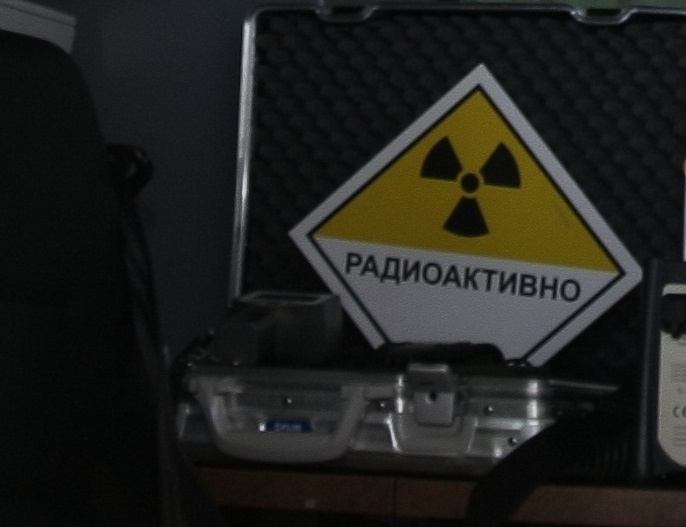
Smuggling of Chemical, Biological, Radiological and Nuclear substances remains a live threat, as does the trafficking of small arms, light weapons and convention ammunition, especially through Transnistria. EUBAM gives tailored support to the partner services in Ukraine and Moldova on control operations to prevent proliferation. It works closely with EUROPOL and Member States through the EUBAM-led Task Force on Arms, and has focused efforts on providing on-the-job training on weapons concealment methods and safety measures when conducting related searches at border crossing points, as well as conducting exercises on the transportation of nuclear and radioactive substances across borders.

The Pre-arrival Information Exchange System enables the two customs services to exercise more effective control and risk assessment on commercial cargoes, helping to combat the smuggling of tobacco, drugs and weapons. The system also allows a ‘virtual presence’ at the Transnistrian segment of the border, increasing transparency and allowing effective control of goods imported through this segment. In October 2015 a similar system (called PRINEX) was replicated between the customs authorities of Ukraine and Belarus.

EUBAM is an instrument for the containment and eventual settlement of the Transnistria conflict

EUBAM has been particularly active on advising on a proper balance between security and enforcement measures to prevent cross-border crime on one hand, and the facilitation of trade and traffic on the other hand. The Mission’s field presence has proved invaluable in the current security climate. From December 2014, EUBAM increased its deployment of international border guards and customs experts by 88% from 17 to 32 experts at key parts on the Transnistrian segment of the border. The Mission was thus able to provide more first-hand information about the border situation to all interested parties, thereby counterbalancing less-objective and more sensationalist information which circulated publically

The expanded presence allowed EUBAM to examine whether tightened controls such as second line checks were carried out in compliance with European norms and human rights standards. The Mission also monitored the perceived obstacles to legitimate trade and to the movement of people and goods across the Transnistrian segment of the border. Overall, EUBAM observations and analysis confirms that the crisis in Ukraine has had a relative impact on the Transnistrian external trade activity and the cross border movement of its inhabitants. EUBAM also confirmed that border checks on travellers and especially on the Russian citizens were implemented in full respect of their human rights.

With EUBAM support, the Ukrainian authorities also stepped up control over the transit of excise goods and especially tobacco to Transnistria, leading to a decline of cigarettes deliveries to Transnistria via Ukraine to zero. This has been the result of combined efforts of the State Fiscal Service of Ukraine and EUBAM. Furthermore, following a government resolution in Ukraine, from May 2015 deliveries of spirits, alcohol and tobacco products can only be delivered into Transnistria through Chisinau-controlled territory or three other designated border crossing points.

6.Border enhancement : how EUBAM has and is supporting the modernization, inter-operatibility and effectiveness of national services in Moldova and Ukraine

Enhancing border management is a high priority of both the Republic of Moldova and Ukraine.  Since its inception, EUBAM has assisted partner agencies to improve the institutional basis for integrated border management in both countries, and contributed to the preparation of visa liberalization assessments. The development of border demarcation, information exchange, harmonisation of border control procedures at JOBCPs and the implementation of joint border patrolling along the Moldova-Ukraine border are key elements of this practical approach. Much has been achieved in these areas.

 The Joint Moldova-Ukraine Commission on Border Demarcation, supported by EUBAM, has edged tantalisingly towards finalising physical demarcation, with just 3.73kms remaining.

The goal of establishing seven joint border crossing points on the Moldova-Ukraine state border has also been pursued vigorously. In 2012, an EUBAM-inspired pilot project at the Briceni-Rososhani border crossing point became jointly controlled and continues to operate successfully.  With EUBAM support, an inter-agency Protocol on the Establishment of Joint Control at Kuchurhan-Pervomaisc Border Crossing Point on the territory of Ukraine has been signed, whilst the third and fourth joint border crossing points, at Palanca, and further west at Reni-Giurgiulesti, will have infrastructure upgrades to prepare them for joint operation, funded for by the EU.

A major milestone for the Mission came in 2011 with the signing of a bilateral agreement between Moldova and Ukraine which provides for joint patrolling of the mutual border. EUBAM’s practical assistance to these joint patrols has gradually made way to monitoring and rectification as the partner services have assumed full responsibilities.

Bilateral mechanisms for the automatic exchange of border crossing data between Moldova and Ukraine along the whole length of the joint border remain a work in progress. This would significantly improve transparency and security concerning the movement of people and vehicles across the border, including the Transnistrian segment, allowing both Moldovan and Ukrainian partners to carry out risk analysis on such movements. It would also dispense with migration procedures along the administrative boundary line on the western side of Transnistria, ensuring freedom of movement across the line.  Facilitated by the Mission, an agreement was signed on 4 November 2015 to establish such a mechanism, and is currently identifying international funding with the partner services to realise this.

Finally, a word on addressing corruption and raising integrity. None of the enhancements highlighted in this presentation will fulfil their potential unless corruption is addressed. Pervasive corruption is widely recognised as an impediment to progress in both countries, and EUBAM’s partner services are not immune to its influence.  EUBAM’s efforts have evolved from facilitated training for partner services on the prevention, detection and investigation of corruption to the advocacy of sustainable good governance mechanisms to be embedded within managerial decision-making processes of partner agencies.  The Mission is currently working with partner agencies in both countries to develop and implement appropriate corporate ethics policies and/or enforceable Codes of Conduct covering all employees. The aim being to ensure high professional standards are achieved while partner services operate in a transparent, responsive and equitable manner while ensuring continuous compliance with the Rule of Law.

7.Conclusions : Further challenges and requirements to meet

As I earlier mentioned, EUBAM has started to design an exit-strategy. This will involve in the coming 12 months a stringent evaluation, conducted jointly with our national partners, on Ukraine and Moldova’s achievements in implementing IBM practices that approximate to EU standards but also their ability to implement, respect and draw benefit from their DCFTA membership privileges of the EU free trade area. EUBAM is not alone in supporting Ukraine and Moldova in these tasks. In the past 2 years or so, a plentitude of other EU instruments and international partners have come on-stream. This is helpful in enabling EUBAM the scope to consider within its exit strategy which other EU and international instruments will be able to take Ukraine and Moldova across the IBM implementation finishing line.


EUBAM’ study to initiate cooperation on food, plant and animal safety between Chisinau and Tiraspol

29 January – European Union Border Assistance Mission to Moldova and Ukraine (EUBAM) finalised a study which assessed food, plant and sanitary safety (otherwise known as sanitary, veterinary and phytosanitary (SPS)) norms and practices on both banks of the Dniester River. The report includes practical recommendations and a list of priority measures for technical assistance in this area, and could also potentially serve as a basis for the future cooperation between relevant bodies of both banks of the Dniester River.

Commenting on this step forward, Andrew Tesoriere, the Head of EUBAM said: “EUBAM is seeking to catalyse the necessary cooperation on food, plant and animal safety standards in order to benefit and protect households, consumers, producers and businesses at both banks of the Dniester River”.

As a part of Deep and Comprehensive Free Trade Agreement commitment, Moldova including Transnistria, should meet a number of EU and international SPS standards. The study examines whether current SPS legislation, practices, institutional arrangements and implementation systems on both banks of the Dniester River are in line with the relevant EU and the World Trade Organization requirements and identifies gaps.

The research revealed that the Republic of Moldova undertook an intensive and successful process of harmonisation and implementation of policies and legislation, the legislative achievements being well documented and agreed with the EU.

Although Transnistrian SPS bodies do not apply Moldovan SPS legislation and operate in accordance with their own requirements and systems, they cooperate with MD National Food Safety Agency which enables EU compliant official controls to be undertaken on Transnistrian Food Business Operators.

In order to maintain current Transnistrian agri-food exports to the EU and further develop Transnistrian agri-food trade, EUBAM has recommended that the current SPS control cooperation mechanisms should be retained and developed. At the same time Transnistrian SPS bodies should introduce key concepts and systems into the regulatory framework as well as requirements relevant to the products exported to the EU.

The research was based on document analysis, interviews and site visits on both banks of the Dniester River. The results of the study were well received by high level officials both in Chisinau and Tiraspol.

EU, Moldova and Ukraine strengthen border cooperation

Brussels, 24 November 2015. In an agreement signed today, the EU, the Republic of Moldova and Ukraine have decided to strengthen their border cooperation. The agreement foresees an enhanced mandate which consolidates the Memorandum of Understanding establishing  the European Commission Border Assistance Mission to the Republic of Moldova and to Ukraine (EUBAM), as well as its extension for additional 24 months.

The new mandate will support a smooth implementation of border and customs related aspects of the Association Agreements, as well as of the agreements on Deep and Comprehensive Free Trade Areas (DCFTA), signed with both countries in 2014. It will allow in particular the use of more tailored strategies on border, customs and fiscal matters, and the provision of expert advice to border police, customs administration and other relevant state agencies.

The agreement was signed on behalf of the European Commission by Director-General for Neighbourhood and Enlargement Negotiations Mr Christian Danielsson, on behalf of Ukraine by Deputy Minister of Foreign Affairs Ms Olena Zerkal, and on behalf of the Republic of Moldova by H.E. Ambassador Eugen Caras.

Source: http://ec.europa.eu/enlargement/news_corner/news/2015/11/20151124_en.htm